
The Story
Why it exists.
The beginning
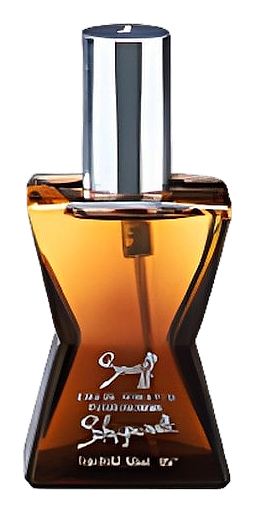
Snuff arrived in 1939 wearing its intentions openly. Elsa Schiaparelli named it after a color, brown tobacco, the shade of snuff, and housed it in a bottle shaped like a pipe, packaged in a cigar box. The design itself was a provocation: a perfume for men that announced itself through metaphor rather than machismo. This was Surrealist wit applied to fragrance. The concept wasn't just a scent; it was a conversation piece, something to be examined, turned over, understood.
What makes Snuff structurally unusual is its density. The pyramid is stacked, lavender and bergamot lead, sure, but the heart contains eight materials: carnation, pine, vetiver, jasmine, sandalwood, patchouli, geranium, orris root. Each one pulling in a different direction. Floral, green, woody, spicy. On paper, it shouldn't cohere. On skin, it does, because the base holds it: oakmoss, leather, frankincense, myrrh, amber, vanilla. The Chypre structure gives it backbone. The carnation gives it that slightly unsettling edge Schiaparelli loved. This isn't a safe cologne. It's a composition that takes its time.
The evolution
The opening is immediate, lavender and bergamot arrive together, bright and crisp. Bergamot pulls one way, lavender pulls another. Underneath, the green notes and fruity notes add a strange complexity that most men's colognes of this era wouldn't have attempted. Within twenty minutes, the heart takes over: carnation and pine emerge, cutting through the citrus with something warmer, spicier. The jasmine and geranium soften it just enough to keep it from becoming a sharp left turn. This middle phase is the puzzle, it's floral, but it's masculine. It's green, but it's warm. The frankincense and leather begin surfacing in the background, lending smoke. Two hours in, the drydown arrives and takes its time. Oakmoss, amber, vanilla, the Chypre architecture settles into skin. The leather and myrrh deepen it. Six to eight hours later, on fabric especially, there's a faint trace of that initial green-floral spike returning, like the scent remembers where it started.
Cultural impact
Snuff sits in an interesting position: a 1939 men's cologne that was never meant to smell like every other men's cologne. The name, the pipe-shaped bottle, the complex heart with carnation front and center, all of it signals intentions beyond conventional masculinity. Wearers describe it as the scent of someone who walks into a room and doesn't need to announce themselves. It hasn't achieved mainstream recognition, but among those who've found it, there's a quiet loyalty. It's the kind of fragrance people seek out specifically because most people haven't heard of it.