Carnation
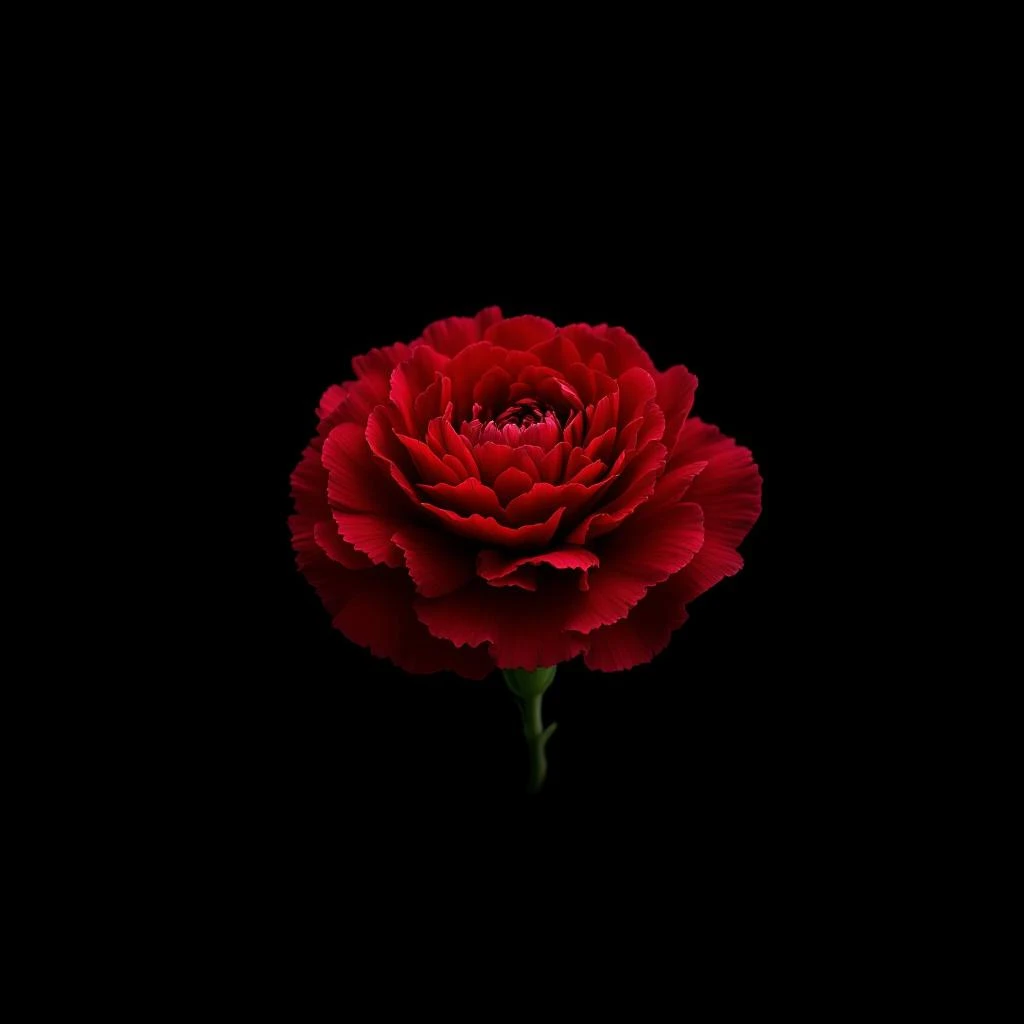
Carnation delivers a warm, spicy-floral character with clove-like nuances that few ingredients match. This overlooked flower once defined an entire perfumery family. Today, its rarity makes compositions featuring it genuinely distinctive.
Character
How it smells
The spicy floral that disappeared from perfumery
The scientific name 'caryophyllus' comes from Greek and literally translates to 'clove nut'—a nod to its distinctive spicy scent.









Origin
France
Carnation has roots in ancient Mediterranean cultivation, appearing in Greek and Roman gardens where it was valued as much for its scent as for ornamental purposes. The breakthrough came in 1905 when Francois Coty released L'Origan, the first major perfume built around carnation as its focal point. This creation established the 'carnation base' concept, combining clove, nutmeg, and cinnamon to recreate and amplify the flower's spicy character.
For several decades, carnation and its synthetic approximations featured prominently in oriental and chypre compositions. However, the natural ingredient's high cost and limited supply gradually pushed perfumers toward synthetic alternatives, making genuine carnation absolute a rare find in contemporary formulations.
Wears it best
Fragrances featuring Carnation



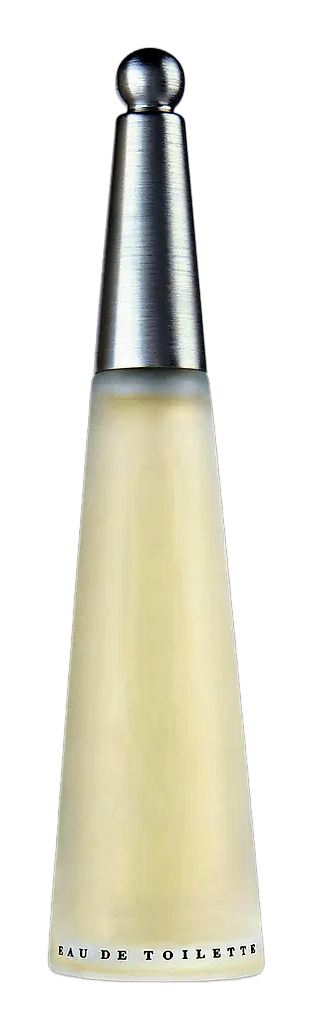

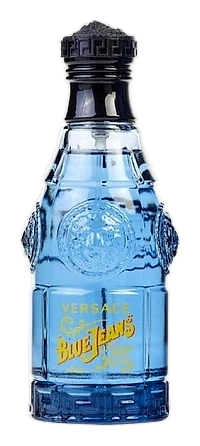


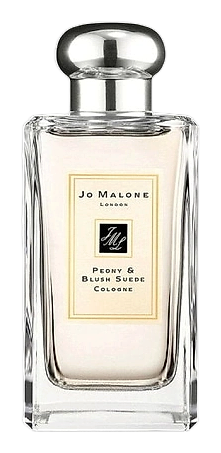
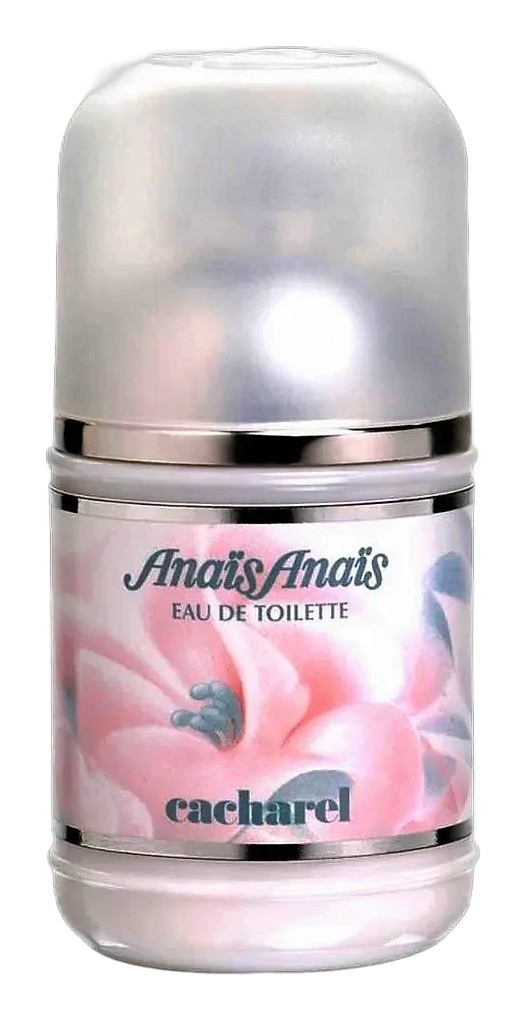
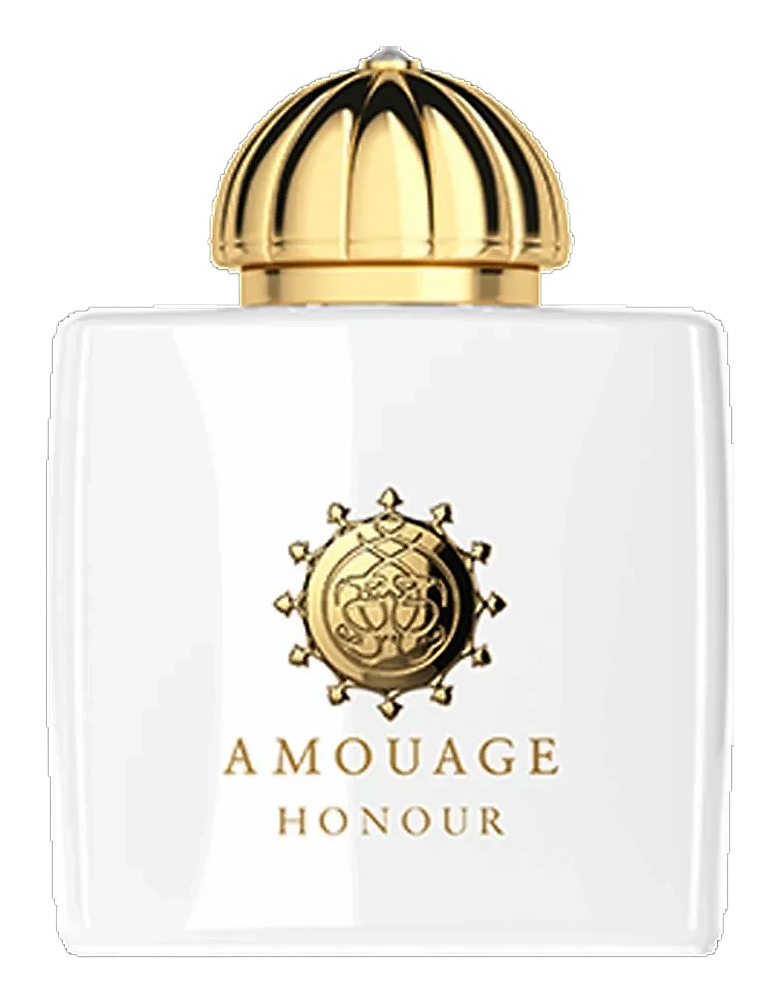
Brands
Brands known for Carnation
Good to know
Questions, answered
The essentials on Carnation in perfumery: how it smells, where it comes from, and how it behaves on skin.
Why is carnation considered rare in modern perfumery?
Natural carnation absolute comes only from southern France and requires costly solvent extraction. The limited production and high price point have made perfumers increasingly reliant on synthetic approximations.
What does carnation smell like in a fragrance?
Carnation presents as a warm, spicy floral with pronounced clove-like nuances and a hint of peppery sweetness. It bridges the gap between floral and oriental fragrance families.
What fragrance families use carnation most often?
Carnation traditionally anchors oriental and spicy floral compositions. It pairs exceptionally well with ylang-ylang, rose, and warm woods in the heart of a fragrance.
Is carnation used in men's or women's fragrances?
Carnation appears across gendered fragrances, though it features more prominently in vintage masculine compositions and modern spicy feminine perfumes.
What perfume landmarks featured carnation as a主角?
Coty L'Origan (1905) launched the carnation family in perfumery. Later, Guerlain Liu (1952) and Nina Ricci L'Air du Temps (1948) showcased the note prominently.
Are there synthetic alternatives to natural carnation?
Synthetics like eugenol and related phenylpropanoids form the backbone of artificial carnation bases, which have largely replaced the natural absolute since the mid-20th century.
Does carnation have any safety considerations?
Carnation specialty requires IFRA compliance and careful handling during formulation. Professional perfumers must follow specific usage guidelines based on concentration.
What other flowers share carnation's spicy character?
Ylang-ylang and certain rose varieties offer similar warm, spicy floral qualities. Carnation remains distinctive for its specific clove-pepper combination.