The Story
Why it exists.
The beginning
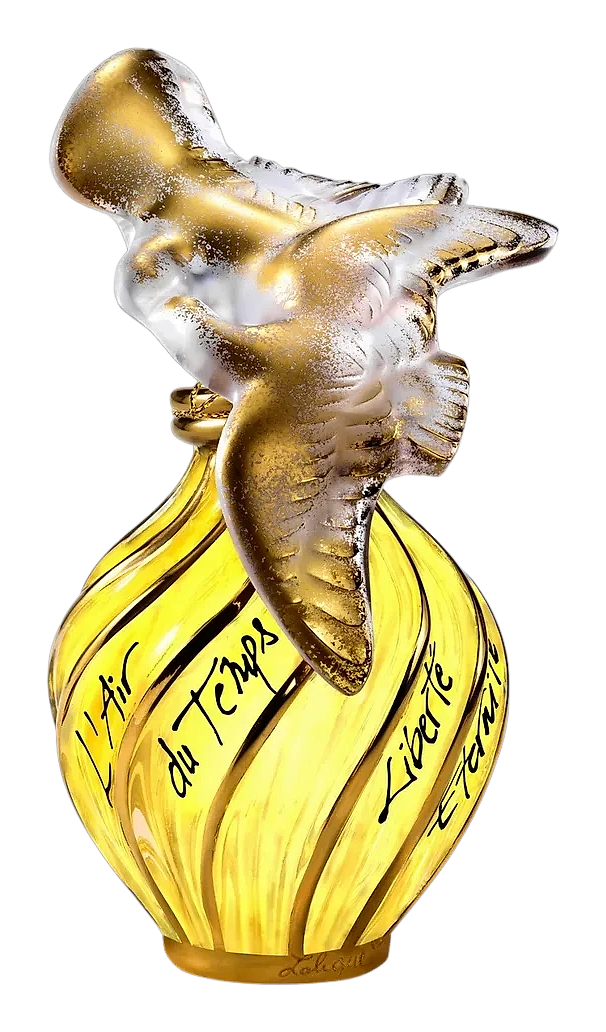
Francis Fabron crafted this fragrance to capture a particular moment in time. The dove bottle by Marc Lalique appeared on every cap, twin birds at rest, a symbol of peace when the world needed reminding. L'Air du Temps didn't arrive as a statement. It arrived as an exhale. The fragrance itself opens with bright, sparkling bergamot and neroli, aldehydic and luminous. Within minutes, carnation announces itself, warm and clove-kissed, unmistakable. Rose and jasmine build around it, creating a heart that's simultaneously spicy and soft. This composition threads tradition and modernity together, a reminder that elegance can be both tender and bold.
The aldehydes make the difference. They lift the opening into something sparkling, champagne-bright, a technique that puts this squarely in the lineage of the great aldehydic florals. But where others are cool, this leans warm. Carnation's clove character threads through the heart like a secret spice, giving the rose and jasmine something to lean against. Iris and violet add that powdery softness that makes vintage lovers close their eyes. The base, sandalwood, benzoin, a whisper of ambergris, doesn't project. It lingers. This is a fragrance that stays close and knows it.
The evolution
Bergamot and neroli open bright and sparkling. Within minutes, the carnation announces itself, warm, clove-kissed, unmistakable. Rose and jasmine build around it, creating a heart that's simultaneously spicy and soft. The powdery iris and violet arrive, bringing an elegant softness that feels timeless. This is when the florals reach their peak, when the composition feels most like itself. Then the hand-off: florals recede, woody warmth takes over. Sandalwood and cedar. Benzoin's quiet amber. The animalic whisper of ambergris and musk that makes the base feel intimate, close, almost skin-like. Moss and vetiver ground everything. The fragrance continues to evolve on the skin, the aldehydic brightness softening into a warm, powdery embrace that lingers close to the body.
Cultural impact
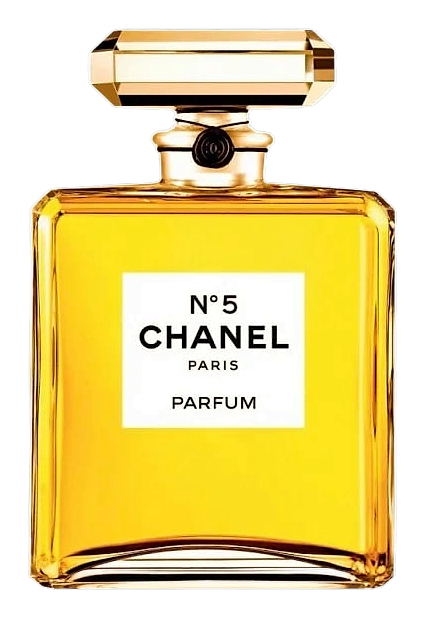
L'Air du Temps earned its place among perfumery's greatest creations, remaining in continuous production since its debut. The Lalique bottle has become as recognizable as the scent itself. Its aldehydic floral structure places it in conversation with Chanel No. 5, though the spiced carnation heart gives it a character entirely its own. For those encountering it fresh, the aldehydic opening either commands attention immediately or invites patience, the floral heart, when it arrives, rewards the wait. The fragrance has maintained its relevance across decades, its powdery elegance resonating with those who appreciate timeless sophistication.