Francis Fabron
Francis Fabron emerged from the post‑war perfume labs of Paris with a rigorous education at the Givaudan Perfumery School. Fresh from the classroom, he joined Rouge Bertrand Fils as a junior perfumer, where he learned the chemistry of scent under seasoned masters. By the mid‑1950s he earned his first high‑profile commission: the original 1957 version of Givenchy L'Interdit, a fragrance that defined a generation of elegant femininity. He followed that success with Monsieur de Givenchy, cementing his reputation for translating couture aesthetics into liquid form. Over three decades Fabron built a portfolio that balanced classic French refinement with daring accords, earning respect from fashion houses and independent houses alike. Today, his name appears in the archives of perfume history as a quiet architect of timeless elegance.
The hits
Notable creations
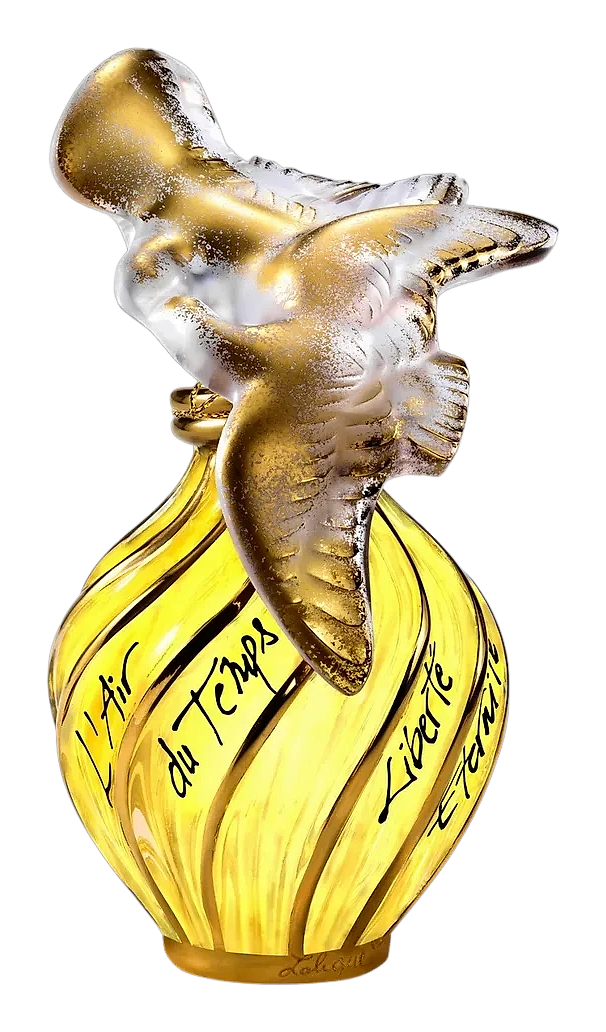

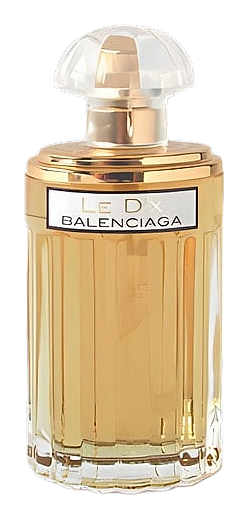
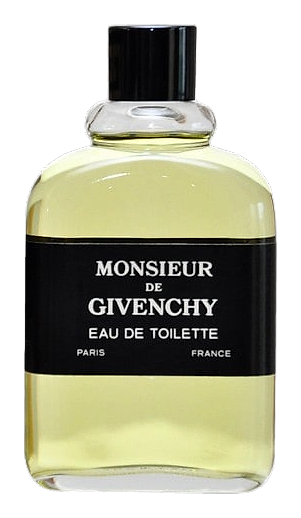
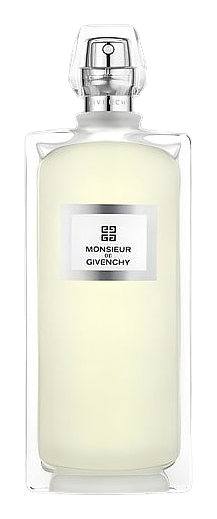



The signature
How Francis composes
Fabron favors a disciplined approach that begins with a single anchor note, often a classic floral or a refined woody. He builds around that anchor with transparent accords, preferring natural extracts such as jasmine, rose, and sandalwood, complemented by carefully calibrated synthetics that add depth without overwhelming the core. His technique includes multiple rounds of refinement, each test revealing subtle shifts in balance. He avoids over‑loading the formula, instead seeking clarity and longevity through precise proportioning. The result is a clean, elegant silhouette that reveals new facets over time.
Philosophy
What drives Francis
Fabron treats each composition as a dialogue between memory and material. He believes that a scent must capture a precise moment while remaining adaptable to the wearer’s skin. Rather than chasing trends, he studies the cultural context of a brief and lets that narrative guide his ingredient choices. He respects the chemistry of each molecule, allowing its intrinsic character to shine before layering it into a broader structure. For Fabron, the ultimate reward is a fragrance that feels both personal and universal, a scent that recalls a story without dictating it.
The houses
Maisons Francis composes for
In the same league