
The Story
Why it exists.
The beginning
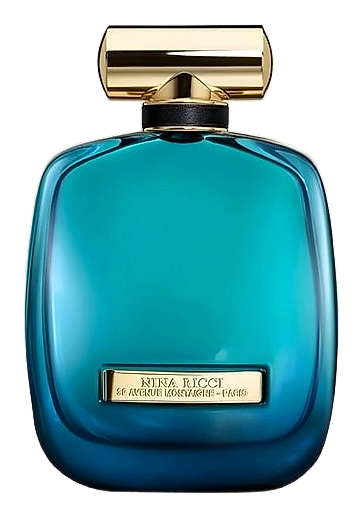
Bergamot opens it clean and bright. Then the florals arrive: hyacinth, rose, jasmine, tuberose, gardenia, and seven others, all at once. Capricci, named for the Italian word for a sudden change of mood, holds eleven heart notes in one fragrance. Jasmine and tuberose bring creaminess and slight intoxication. Gardenia and ylang-ylang add exotic warmth. Rose and lily of the valley soften what could otherwise feel overwhelming. But it's orris root that acts as the invisible binder, powdery and precise, keeping the abundance from becoming noise. Without that powdery elegance holding the architecture together, the florals might compete. Instead, they build something genuinely abundant. The gamble paid off. This is what an abundance of florals can achieve when orchestrated with care.
Jasmine and tuberose bring creaminess and slight intoxication. Gardenia and ylang-ylang add exotic warmth. Rose and lily of the valley soften what could otherwise feel overwhelming. But it's orris root that acts as the invisible binder, powdery and precise, keeping the abundance from becoming noise. Without it, the florals might crowd each other. With it, they amplify each other. Bergamot opens clean and bright, then almost immediately gives way to the heart's orchestrated arrival.
The evolution
Bergamot arrives bright and citrus-clean. Rosemary's cool herbal edge follows, adding a crisp, green-flecked lift. The opening clears the air before the florals arrive. Then the florals take over, not one by one, eleven at once. Jasmine and tuberose lead, creamy and slightly intoxicating. Gardenia and ylang-ylang follow, exotic and warm. Rose and lily of the valley soften edges. Geranium keeps green. But orris root is the binder, a powdery thread that prevents chaos. This is the heart's defining move: abundance held together by powder. The drydown takes hours. Oakmoss arrives with earthy, slightly animalic depth. Musk wraps everything in warmth, close to skin. Sandalwood and benzoin add cream. The lasting impression is powdery, warm, intimate. Capricci stays close. Different on everyone who wears it. Something that doesn't project loudly but stays, changes, becomes yours.
Cultural impact
Capricci belongs to the tradition of abundant white florals, where multiple heart notes combine rather than compete. Its white floral character defines it, with powdery and earthy accords giving it notable longevity. The fragrance appeals to those who appreciate rich florals and understand that an eau de toilette can outlast expectations when it's built this way. Capricci offers a floral abundance that doesn't sacrifice coherence, a quality that has kept it relevant for those who seek vintage-inspired florals.
The House
Nina RicciNina Ricci is a Parisian fashion house founded in 1932 by Italian-born designer Maria "Nina" Ricci and her son Robert Ricci. The house began as a couture salon on Rue Haussmann, quickly establishing a reputation for refined, feminine gowns with romantic sensibility. Robert established an in-house perfume division in 1941, though the first fragrance would not arrive until 1946. That inaugural scent, Coeur Joie, marked the beginning of a partnership with Lalique that would define the house's olfactory identity. The house introduced its most celebrated fragrance, L'Air du Temps, in 1948, a scent that remains in production decades later. Puig acquired Nina Ricci in 1998, bringing the house under the same ownership that manages Carolina Herrera and Jean Paul Gaultier. Today, the fragrance collection spans from timeless classics to contemporary offerings like the Nina line, maintaining the house's commitment to feminine elegance.
The Creator
Francis FabronFabron favors a disciplined approach that begins with a single anchor note, often a classic floral or a refined woody. He builds around that anchor with transparent accords, preferring natural extracts such as jasmine, rose, and sandalwood, complemented by carefully calibrated…