The Story
Why it exists.
The beginning
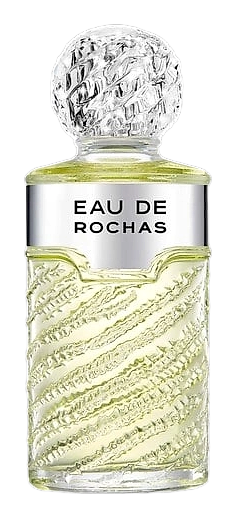
In 1960, Guy Robert created Madame Rochas as a tribute to Hélène Rochas, the couturier's widow who inherited the house after Marcel Rochas died in 1955. The fragrance was her signature, a floral aldehyde composition that captured the essence of Parisian feminine elegance. The original bottle was a replica of an 18th-century design, signed by Madame Rochas herself. Robert built it around aldehydes, bergamot, and neroli at the top, layering in jasmine, rose, and tuberose at the heart, grounding everything in sandalwood, cedar, and oakmoss. It was designed to smell like a woman who knows exactly who she is.
The aldehydic opening is the most French thing about it, that champagne lift that elevates everything beneath it. Guy Robert didn't just use aldehydes as a bridge; he made them the announcement. Beneath them, the green notes (hyacinth, honeysuckle) keep the florals from feeling heavy, while the orris root adds an earthy, powdery undertone that feels almost mineral. The combination of iris and rose in the heart is classic Parisian sophistication, not sweet, not sharp, just composed. Then the base delivers what the top promises: lasting presence.
The evolution
The aldehydes hit first, bright, almost metallic, like cold marble under artificial light. Bergamot and lemon lift the citrus, while neroli and orange blossom add a floral dimension that feels both fresh and structured. Ten minutes in, the green notes arrive: hyacinth's vegetable sharpness, honeysuckle's sweet nectar. The transition to the heart happens around the 20-minute mark. Iris and rose take over, their powdery warmth softening everything. Jasmine and tuberose add depth, but it's the orris root that gives the heart its earthiness, the smell of something rooted, not floating. By the third hour, the base reveals itself. Sandalwood's cream, cedar's warmth, vetiver's earth. Oakmoss adds that chypre depth, musk adds intimacy, amber adds a quiet glow. The drydown is close, present, and lasts well into the evening. On some skin, it lingers until morning.
Cultural impact
Madame Rochas occupies a specific place in fragrance history, the aldehydic-floral tradition that defined Parisian elegance in the mid-20th century. It was designed for a woman who knew exactly who she was. The fragrance has endured not through reinvention but through fidelity to that original vision: powdery florals, green freshness, woody depth, and the kind of presence that doesn't need to announce itself.