Guy Robert
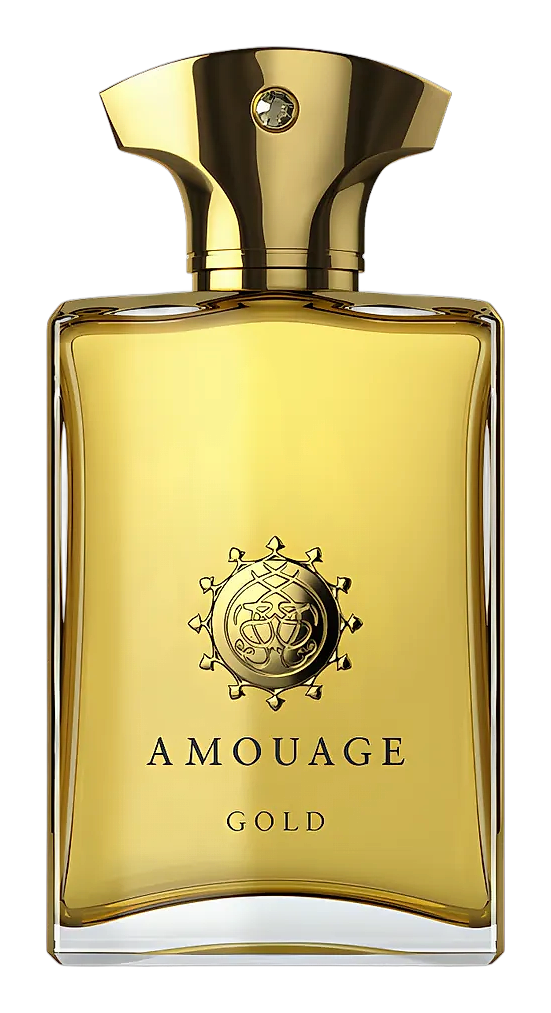
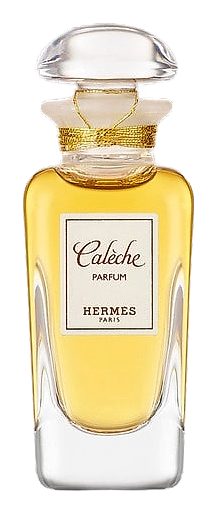
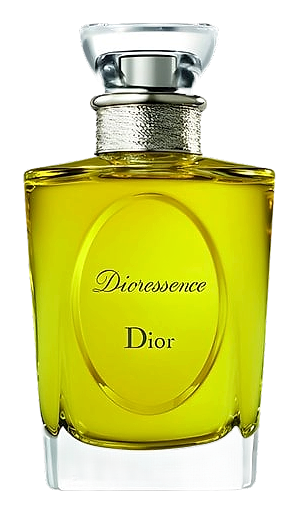
Guy Robert grew up in a lineage that read like a perfume dynasty. His grandfather taught the young Francois Coty, and his father passed the laboratory keys to Guy before he ever left the family workshop. By 1923 he launched his first independent scents under the Gabilla label, announcing a career that would span eight decades. After World War II he joined the ranks of Hermès, where he crafted the elegant Câléche, then moved to Rochas to birth Madame Rochas. The 1970s saw him translate his refined sensibility into Gucci Pour Homme, a crisp, masculine statement that still defines the house’s heritage. Throughout the 1980s and 1990s he consulted for Dior, Amouage and The Pink Room, mentoring a generation of noses while preserving the art of natural extraction. He authored *Les sens du parfum*, sharing his technical insights and philosophy with anyone willing to listen. Guy’s legacy endures in the quiet precision of his formulas and the countless perfumers who credit his mentorship for their own success.
The hits
Notable creations






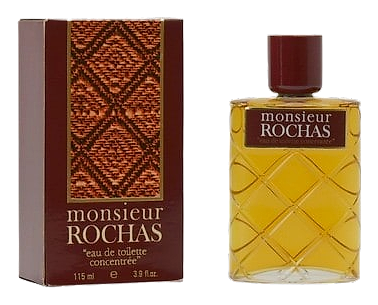

The signature
How Guy composes
Robert favored natural absolutes harvested in Grasse, preferring jasmine, rose, and sandalwood extracted with his own refined methods. He built structures around clear, linear cores, often starting with a bright citrus spark that softened into a floral heart before settling into a warm, woody base. His compositions rarely relied on synthetic shortcuts; instead, he let the purity of each ingredient dictate the final shape. The result is a signature clarity—transparent yet richly layered—that makes his work instantly recognizable across brands.
Philosophy
What drives Guy
Robert believed that perfume should echo the memory of a place without masquerading as a story. He approached each brief as a dialogue between raw material and emotion, letting the ingredient speak first. He trusted the stability of classic accords—citrus, violet, oakmoss—to anchor his creations, then layered subtle nuances that revealed themselves over time. For him, the act of blending was a disciplined meditation, a chance to honor nature’s complexity while delivering a scent that feels both intimate and timeless. This balance of reverence and restraint guided every bottle he touched.
The houses