Paul Vacher
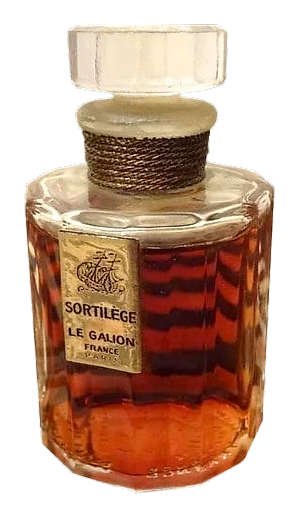
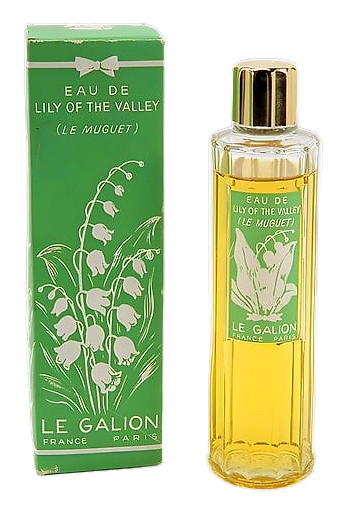
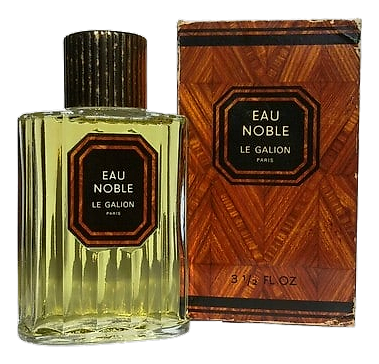
Paul Vacher was born in France in 1902, a time when perfumery still lived in the shadow of Grasse. He discovered fragrance while studying chemistry, an origin story that positioned him perfectly between the science of raw materials and the art of composition. At 25, he walked through the doors of Parfums Violet to work under Maurice Shaller, where his nose began its formal education. That training led him to Marcel Guerlain, where he deepened his command of classic French perfumery. Vacher did not stay long in anyone's shadow. He acquired the House of Le Galion and led it with a steady hand, building a reputation on bold, assertive compositions that held their own against the era's heavier florals. His 1947 collaboration with Jean Carles on Arpège for Lanvin cemented his place in the canon of twentieth-century perfumery. He also counted Ava Gardner among his admirers; after falling for one of his creations, she asked him to compose a personal fragrance just for her. Vacher bridged the classical and the modern, carrying old-school discipline into an age of new possibilities. He died in 1975, leaving behind a house and a body of work that never apologized for being difficult, beautiful, or unforgettable.
The hits
Notable creations
The signature
How Paul composes
Vacher's style carries the rigor of Guerlain in its backbone: strong natural materials, structured dry-downs, and a sense that each element earns its place. But his work at Le Galion shows a more contemporary pulse, with crisp edges and a certain modern assertiveness that set his creations apart from purely classical work. He favored chypre structures and green, aromatic top notes that gave his fragrances an immediate, memorable presence. His collaborations show range: Arpège is a powdery, aldehydic tour de force, while his Le Galion creations reveal a man comfortable with darker, more complex territory. Across the work, there is consistency in quality and a refusal to let anything feel accidental.
Philosophy
What drives Paul
Vacher believed perfumery was a conversation between nature and invention. He respected traditional formulas but never feared departure from them. Working across houses, collaborating with other noses, and eventually leading Le Galion as his own, he understood that great fragrance rarely comes from isolation. His approach combined rigorous material knowledge with an intuitive sense of what a scent should make a person feel. He was less interested in following trends than in creating work with genuine character, work that could hold its own in a room full of stronger personalities. His philosophy, quietly held, was that a fragrance should be felt before it is named.
The houses
Maisons Paul composes for
In the same league