Jean Martel
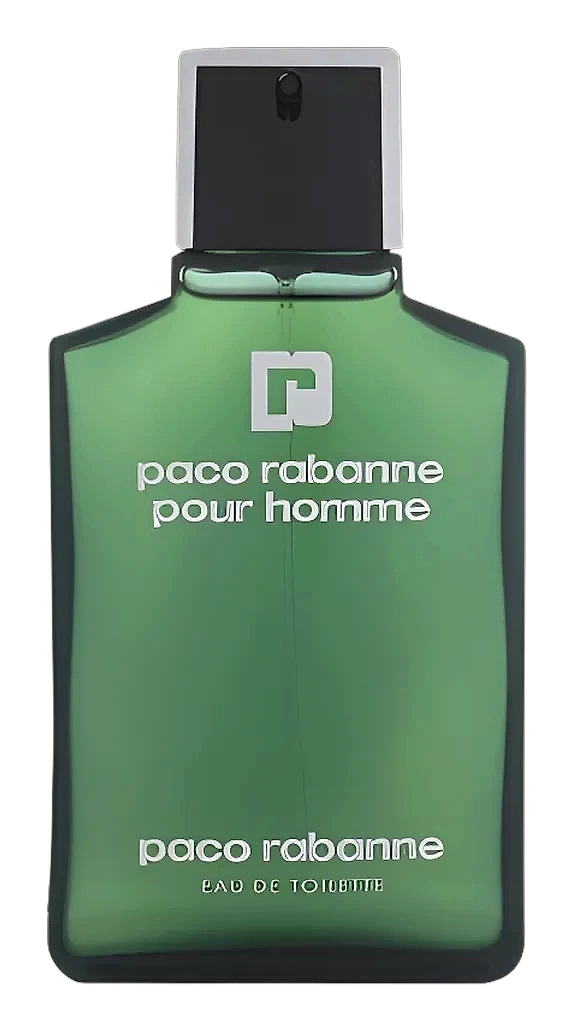
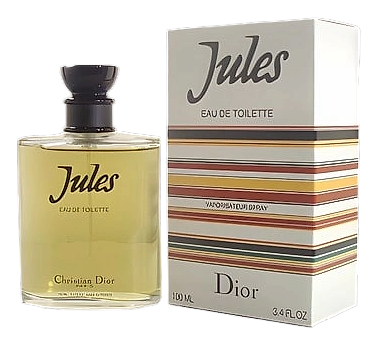
Jean Martel entered the world of fragrance in the early 1970s, fresh from Givaudan’s rigorous apprenticeship program. He quickly earned a reputation for translating subtle emotions into clean, approachable scents. In 1973 he crafted the iconic pour homme for a rising French fashion house, a composition that balanced crisp citrus with a soft, animalic musk and helped define the modern masculine profile. Colleagues recall his calm demeanor in the lab, where he measured each ingredient with the precision of a chemist and the intuition of an artist. Over the next decade he contributed to several house collections, often asked to refine the base notes that give a perfume its staying power. Though his name rarely appears on retail packaging, industry insiders credit Martel with shaping the understated elegance that still guides many contemporary men's fragrances.
The hits
Notable creations


The signature
How Jean composes
Martel favors transparent musks, soft woods, and citrus that retain their natural brightness. He often starts with a clean aldehydic opening, then layers a light floral heart before grounding the piece with a velvety amber or sandalwood base. His technique includes precise micro-dosing of animalic notes, allowing them to add depth without dominating. He prefers natural isolates such as civet, ambergris, and fine muscone, yet he blends them with synthetics that enhance longevity. The result is a scent that feels both fresh and enduring, inviting repeat discovery.
Philosophy
What drives Jean
Martel believes a fragrance should feel like a quiet conversation rather than a bold proclamation. He seeks ingredients that whisper, letting the wearer’s skin reveal the scent’s true character over time. For him, balance is not a formula but a dialogue between bright top accords and a lingering heart that never overwhelms. He respects the memory of a single note and lets it linger long enough to be recognized, then lets the composition move forward. This restraint reflects his view that elegance lives in restraint.
The houses
Maisons Jean composes for
In the same league