The Story
Why it exists.
The beginning
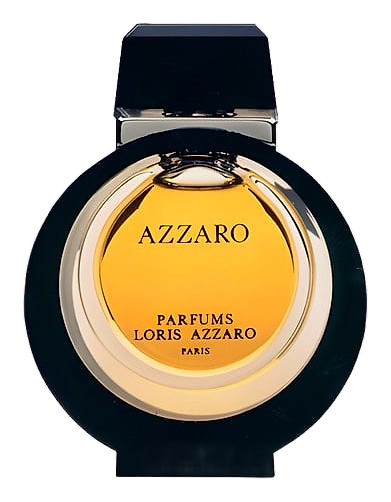
Jean Martel designed Azzaro's debut for a woman who understood that perfume wasn't finishing touch, it was statement. 1975 was a turning point for the house: Loris Azzaro had built a couture empire on gowns that celebrated the female form, dressing icons who wore desire openly. The fragrance had to match that energy. Something that announced itself without asking. Martel reached for the aldehydes that had defined a generation of Parisian glamour, paired with gardenia's bold white floral heart. It was the house's first olfactory signature, before the pour Homme that would follow in 1978, before the chrome bottles and the bold flankers. This was the original.
The structure is pure chypre architecture: a fruity-aldehydic top that hits bright and lifts, a heart of orris root grounding the jasmine and rose into something powdery and elegant, then a base of oakmoss and vetiver that gives the whole thing its backbone. What makes this composition unusual for 1975 is how the gardenia doesn't disappear into the florals, it stays present through the heart, insistent. The aldehydes don't just open; they linger as a warm undercurrent through the drydown.
The evolution
The aldehydes hit immediately, that characteristic lift that makes the top notes feel like light refracting through something warm. Gardenia follows fast, waxy and bold, almost confrontational in its white-floral intensity. The fruity notes sweeten the deal for the first hour. Then the rose and jasmine arrive, soft and warm, while the aldehydes begin their slow recession into the background. The orris root keeps everything powdery, civilized. By hour two, the oakmoss and vetiver take over, earthy, green, slightly animal. Patchouli adds depth without darkness. The drydown settles into amber-warmth, vetiver-soft, oakmoss present but no longer demanding. The aldehydes eventually fade to a creamy whisper, and the gardenia becomes a memory you're not sure you imagined.
Cultural impact
As the house's first fragrance in 1975, Azzaro positioned itself squarely in the golden age of French perfumery with its aldehydic-gardenia combination. The chypre base gave it structure that would outlast trends. The fruity-floral composition was unapologetically present, a bold statement in a decade known for its dramatic olfactory statements.