The Story
Why it exists.
The beginning
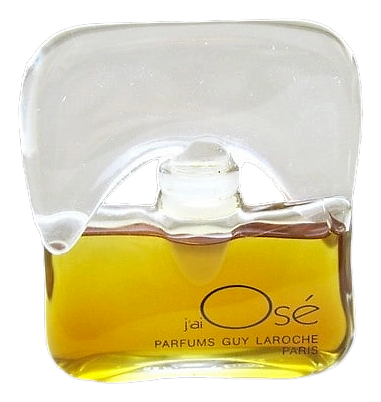
J'ai Osé arrived in 1978, and the name said everything. Max Gavarry built this around a tension that Guy Laroche understood well: strength without compromise, femininity without apology. The house had been dressing women this way since 1957, bold color, plunging lines, structured elegance that moved with the body. J'ai Osé translated that philosophy into scent. Not a quiet fragrance. Not a safe one. The kind of statement that needs no explanation. In 1978, women's perfumery was in transition. The great aldehydic florals of the 1960s had given way to something earthier, more complex. J'ai Osé kept one foot in that tradition, the aldehydes, the powdery warmth, while pushing into territory that felt newer, more assertive. A chypre with attitude. The house called it "I dared." The fragrance proved it.
The aldehydic opening is the tell. That bright, waxy effervescence, it's what makes J'ai Osé unmistakably of its era, and it's what keeps it interesting forty-five years later. Aldehydes don't just open a fragrance; they linger, a quiet presence underneath everything else. Here, they meet peach sweetness and a green-spicy note from coriander that keeps the top from being merely soft. The heart is where the structure lives. Warm woods, sandalwood, cedar, patchouli, provide the architecture. Jasmine and rose add floral richness without sweetness. Orris root brings a powdery, refined quality that feels almost violet-adjacent. Vetiver adds earth and mineral depth.
The evolution
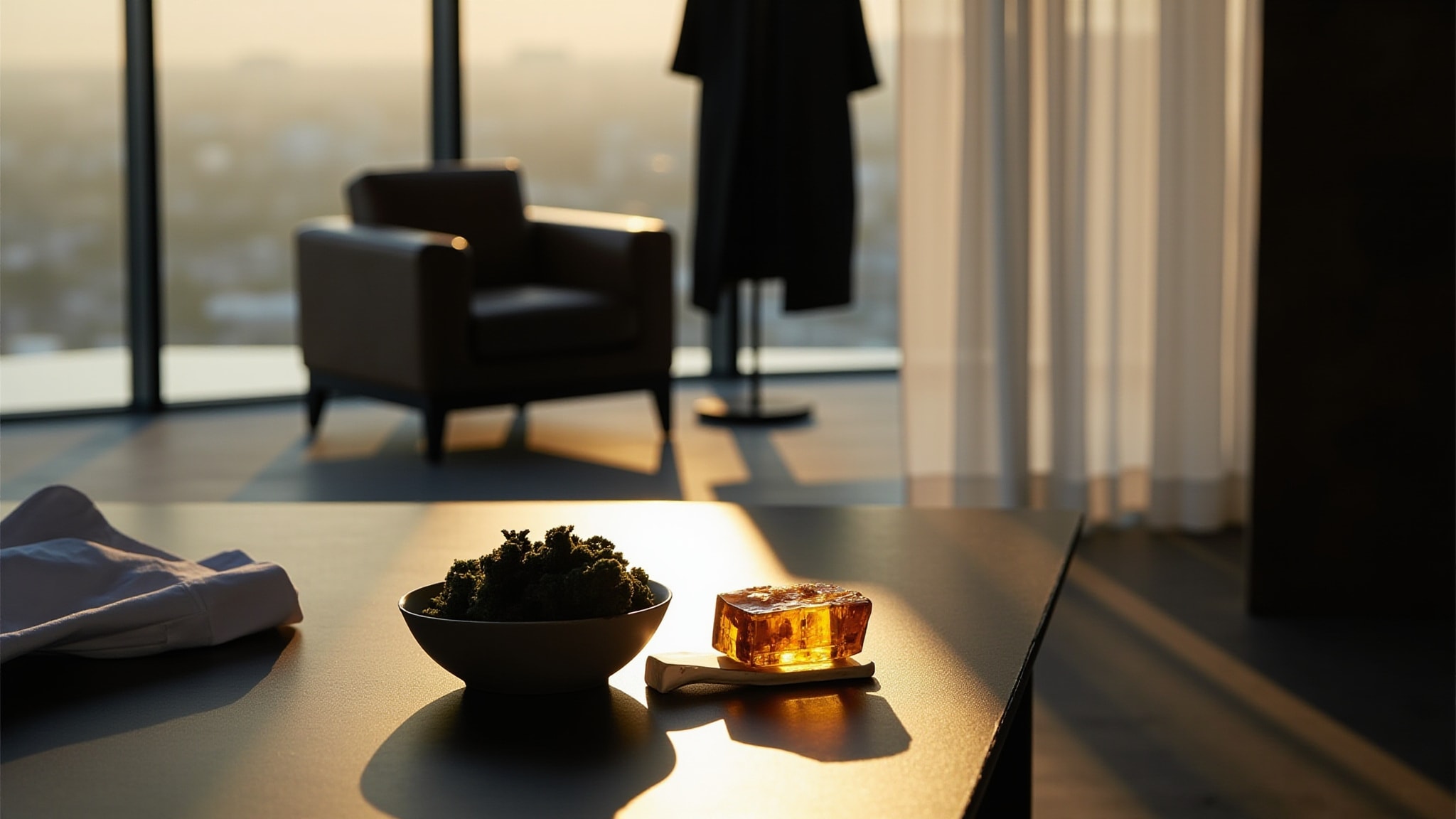
The opening is aldehydes and peach, citrus brightness. It sparkles for the first thirty minutes, bright, assertive, immediately identifiable as late-70s. Then the transition begins. The aldehydic brightness softens, and the warm woods emerge: sandalwood first, then cedar, then patchouli pulling everything earthward. The jasmine and rose arrive in the heart, but they don't sweeten, they deepen. Orris root adds that powdery, refined quality that gives J'ai Osé its distinctive character. The drydown is where it becomes itself. Oakmoss brings the mossy, earthy depth that anchors the chypre structure. Benzoin and amber create warmth without sweetness, a resinous, almost tactile quality. Musk wraps everything in something intimate and close. On skin, this endures for hours. Eight to ten on most, with strong sillage for the first two to three hours, then settling into a warm, intimate wear that stays close. The next day, in fabric, it reappears, that quiet, powdery warmth that makes you reach for the bottle again.
Cultural impact
J'ai Osé is a late-70s chypre through and through, aldehydic, warm, woody, powdery, with a presence that holds its own among the era's defining women's fragrances. The sillage and projection are notable, strong for the first couple of hours, then intimate. The drydown is where it earns its reputation: warm, powdery, lasting well into the evening without reapplication. Wearers describe it as the fragrance of someone who walks into a room and doesn't need to announce themselves.