The Story
Why it exists.
The beginning
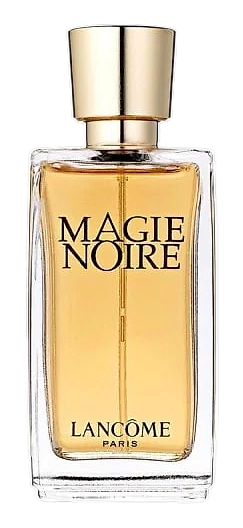
Created in 1978 by perfumer Gerard Goupy for Lancôme, Magie Noire was designed to bewitch. The name alone tells you everything, black magic, the kind that pulls you in and doesn't let go. The composition moves in unexpected directions rather than following the straight line most fragrances take from opening to drydown. Its developmental arc offers something different, a fragrance that invites you in and lingers with an air of mystery that is hard to ignore. The whole creation feels deliberate, each layer placed with purpose, building toward something that stays with you long after you've sprayed it.
What makes Magie Noire structurally unusual is its figure-eight trajectory. Rather than the typical top-to-base progression, the fragrance opens, reveals its full character, then shifts direction, moving backward through its own evolution before settling where it started. This circularity is rare. The green-cassis opening arrives bright and slightly tart, but instead of simply fading into the heart, the fragrance seems to double back on itself, allowing the deeper notes to emerge in layers before the final drydown of oakmoss and patchouli.
The evolution
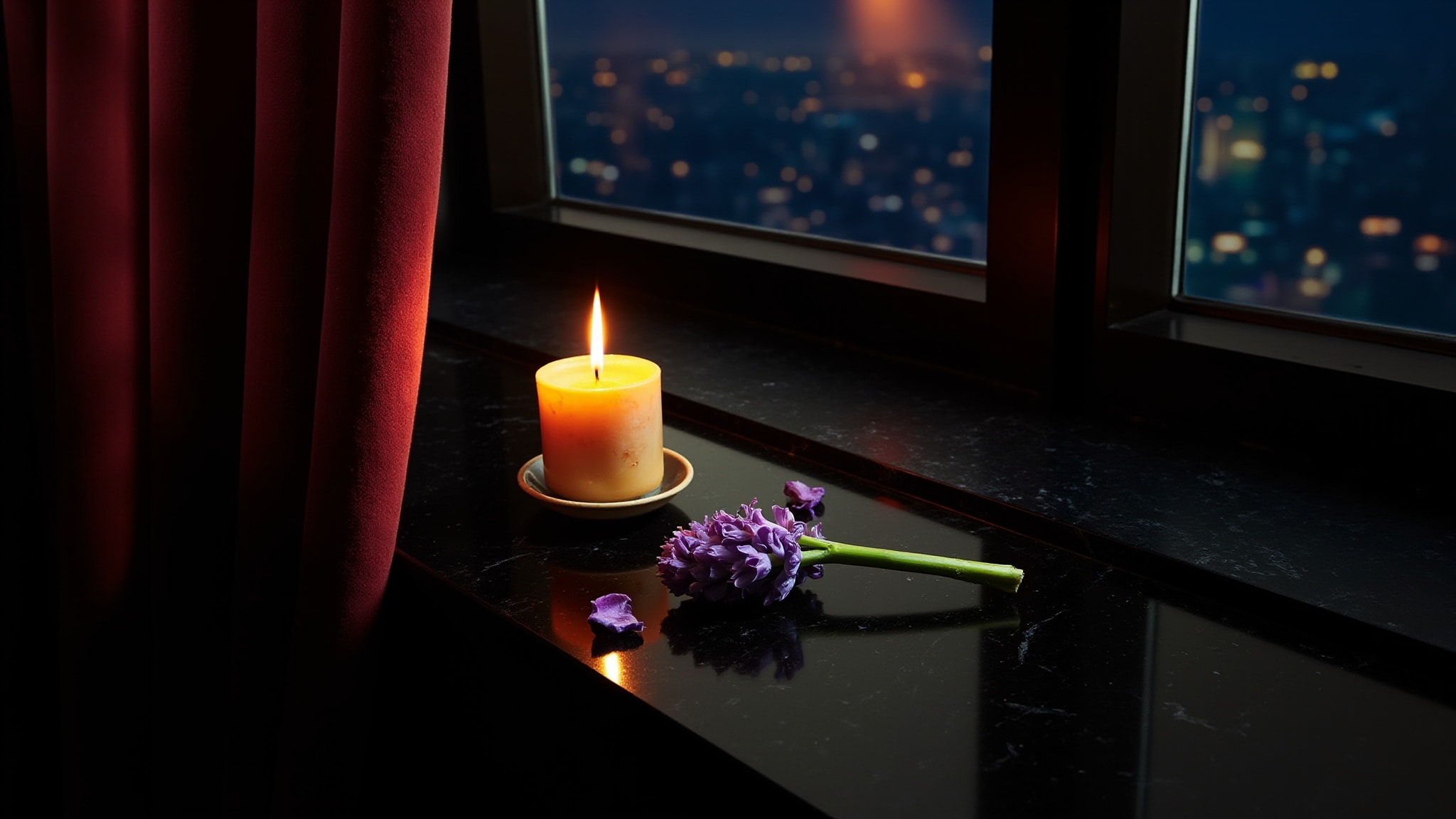
The opening hits fast, hyacinth's heady green floral, cassis's dark fruit, a whisper of raspberry. The direction soon shifts as jasmine and tuberose surge upward, backed by honey's sweetness and ylang-ylang's cream. This is the first revelation: the florals aren't delicate here. They burn with a bold presence that fills the space around you. The composition gains an edge that most modern fragrances avoid entirely. As the development continues, the florals begin to retreat and the base notes arrive properly, oakmoss, patchouli, vetiver, musk, and the fragrance settles into something warm, mossy, and deeply present. The final drydown remains close and animalic, the kind of scent that clings to a scarf or a collar long after you've left the room.
Cultural impact
Magie Noire stands out as a fragrance that doesn't apologize for its complexity or its animalic edges. It attracted those who sought something bold and memorable. The unusual development became notable among fragrance enthusiasts, proof that a 1978 fragrance could still surprise decades later. The scent continues to hold a special place among collectors who appreciate its unapologetic boldness and distinctive character.
The House
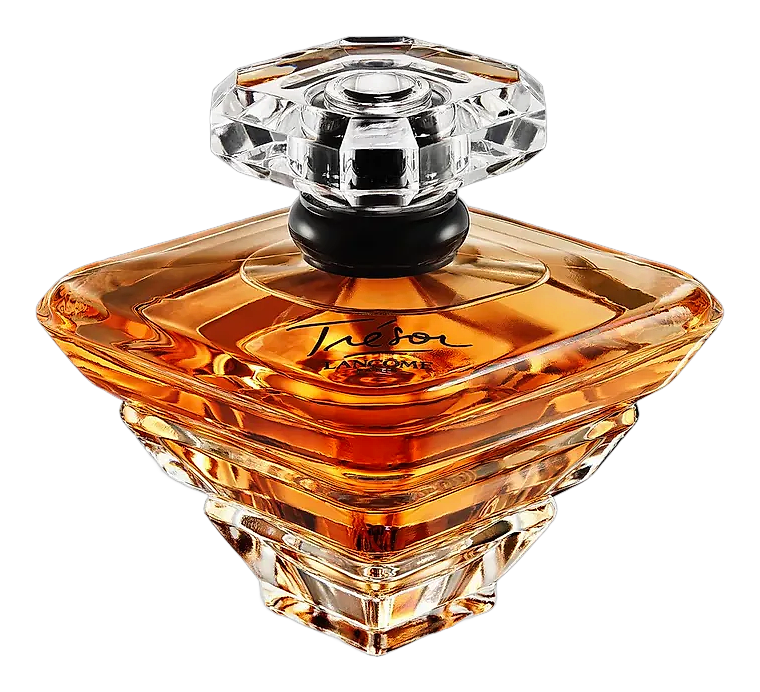
LancômeLancôme stands as one of France's most enduring luxury beauty houses, a name synonymous with elegant femininity and the art of French perfumery. Founded in 1935 by Armand Petitjean, the house emerged during economic uncertainty with a clear mission: to bring prestige back to beauty after witnessing the mass-market drift of his former employer. Today, operating under L'Oréal's luxury division, Lancôme balances heritage with modernity, crafting fragrances like La Vie Est Belle and Trésor that have become global icons while maintaining the golden rose emblem that has marked its bottles for nearly ninety years.
The Creator
Gerard GoupyGoupy’s signature technique layers bright aldehydes with verdant florals, often weaving cyclamen or jasmine into a translucent, powdery musk base. He favors ingredients that offer clarity—fresh cut‑grass accords, crisp citrus, and luminous aldehydic crystals—balanced by soft,…