Oriental rose
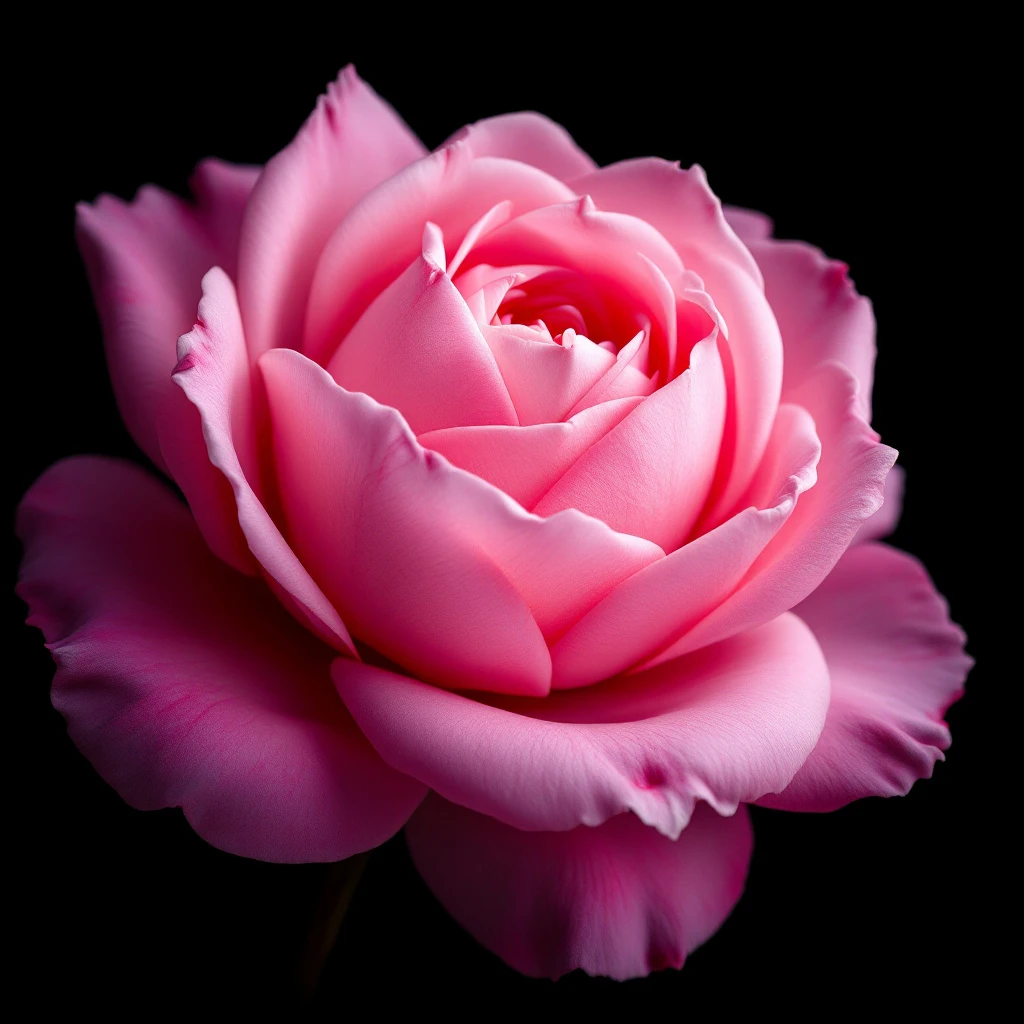
Oriental rose captures the opulent, spicy heart of Rosa Damascena as it has been cultivated across Persia, Turkey, and Morocco for millennia. This note bridges ancient perfumery traditions with modern fragrance.
Character
How it smells
The ancient rose of the East, richer and more complex than its Western cousins.
It takes approximately 3.5 to 4 tonnes of rose petals to produce just 1 kg of rose otto, the prized essential oil.





Origin
Turkey
Rose flowers have appeared in Chinese and Sanskrit texts for thousands of years, but the rose we call Oriental traces its heritage to ancient Persia and the Byzantine Empire around the 5th century. These civilizations established foundational extraction techniques that spread eastward and westward. Persia emerged as a key trade hub where rose cultivation and perfumery intersected with the incense routes.
Under the Ottoman Empire, rose cultivation expanded dramatically, particularly in Bulgaria's Rose Valley, which became the world's leading producer of rose otto by the 19th century. Today, Turkey, Bulgaria, and Morocco's Valley of Roses continue this living tradition, producing rose materials that connect modern perfumery to practices established over a millennium ago.
Wears it best
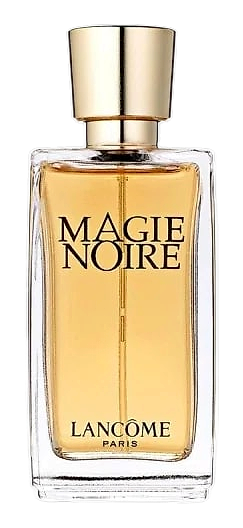
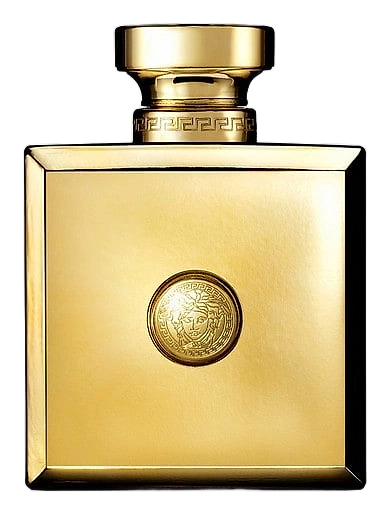
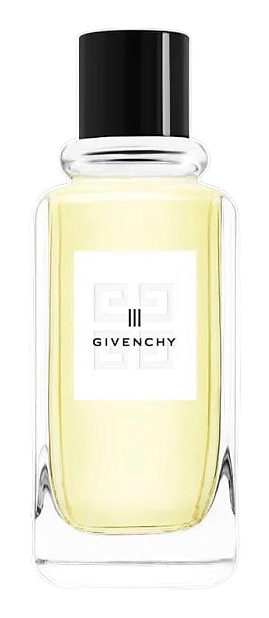
Fragrances featuring Oriental rose

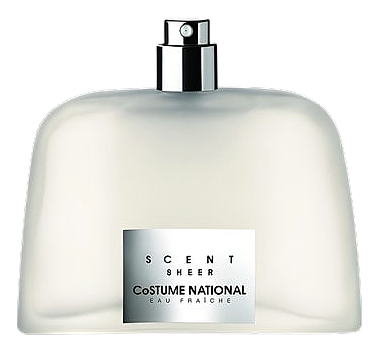
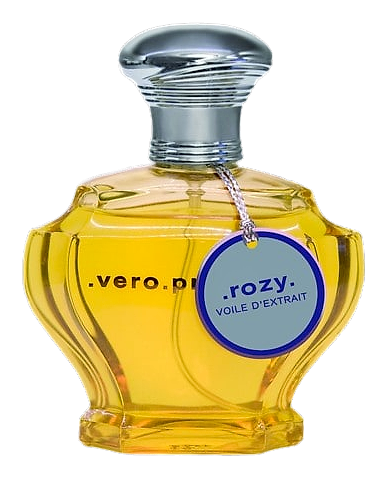
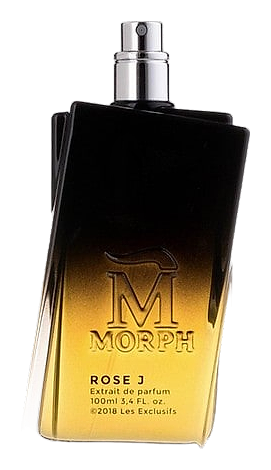
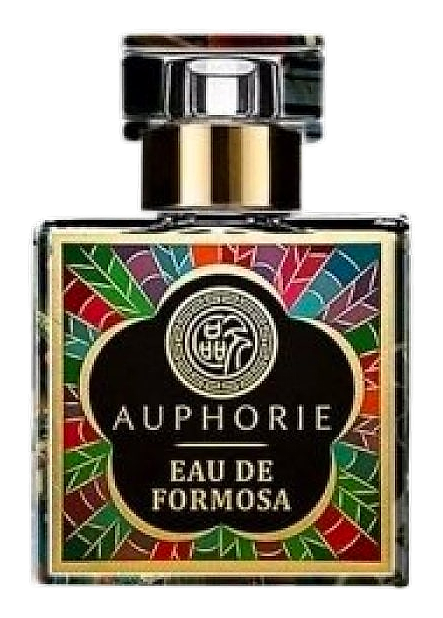
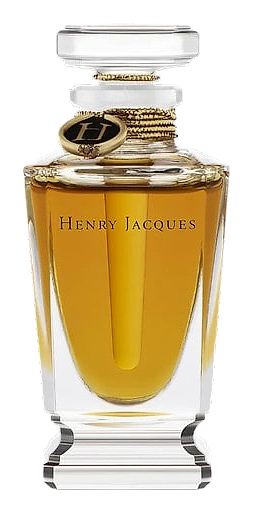
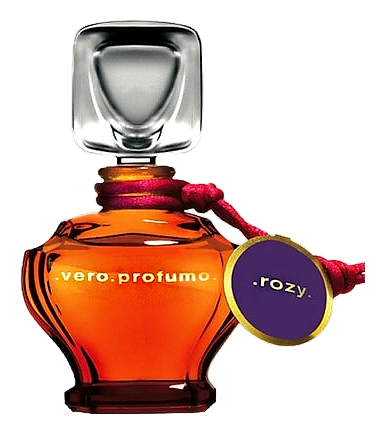
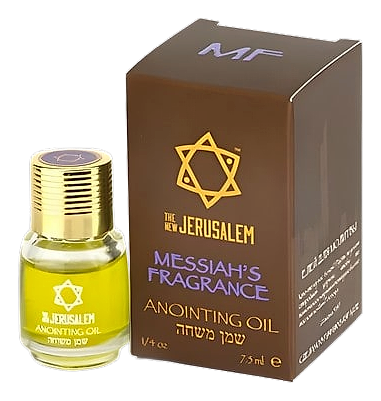
Brands
Brands known for Oriental rose
Good to know
Questions, answered
The essentials on Oriental rose in perfumery: how it smells, where it comes from, and how it behaves on skin.
What makes Oriental rose different from regular rose in perfumery?
Oriental rose refers specifically to Rosa Damascena cultivated in Eastern traditions, carrying spicy, honeyed, and deeper qualities shaped by Persian and Ottoman perfumery practices. Regular rose often describes lighter expressions from Western cultivation.
How is Oriental rose extracted?
Steam distillation produces rose otto, the essential oil, while solvent extraction yields rose absolute with a richer, more concentrated fragrance. Both methods begin with hand-picked petals harvested at dawn.
Why is rose otto so expensive?
Rose otto requires roughly 3.5 to 4 tonnes of freshly picked petals to yield just 1 kg of oil. All petals must be harvested by hand during a brief May bloom, making the process extraordinarily labor-intensive.
Where does Oriental rose originate?
The Damask rose variety traces its roots to Persia and the Byzantine Empire around the 5th century. Modern cultivation centers include Turkey's Anatolia, Bulgaria's Rose Valley, and Morocco's Valley of Roses.
What does Oriental rose smell like?
Expect a rich, warm, and slightly spicy rose character with honeyed depth and a hint of Turkish delight. It presents more complexity and a deeper dry-down compared to lighter rose varieties.
Is Oriental rose natural or synthetic?
Authentic Oriental rose materials come from natural Rosa Damascena cultivation. Synthetic alternatives exist for cost reasons, but natural rose otto and absolute remain the standard in premium perfumery.
How long has Oriental rose been used in perfumery?
Rose cultivation for fragrance dates back thousands of years in Asia, with Persian and Byzantine traditions solidifying around the 5th century. The Ottoman era expanded cultivation into commercial-scale production.
What fragrance families pair well with Oriental rose?
Oriental rose anchors woody, amber, and spicy compositions beautifully. It also elevates chypre structures and adds unexpected depth to fresh, green fragrances when used in moderation.