The Story
Why it exists.
The beginning
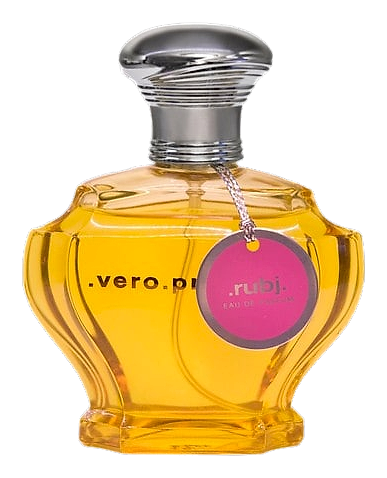
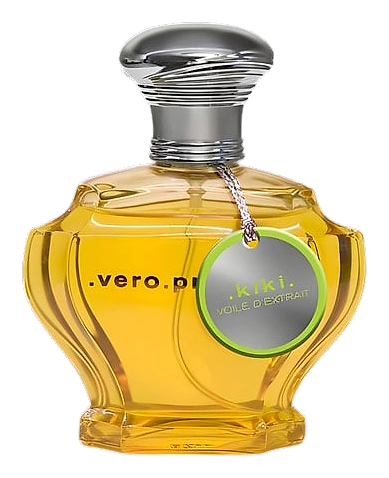
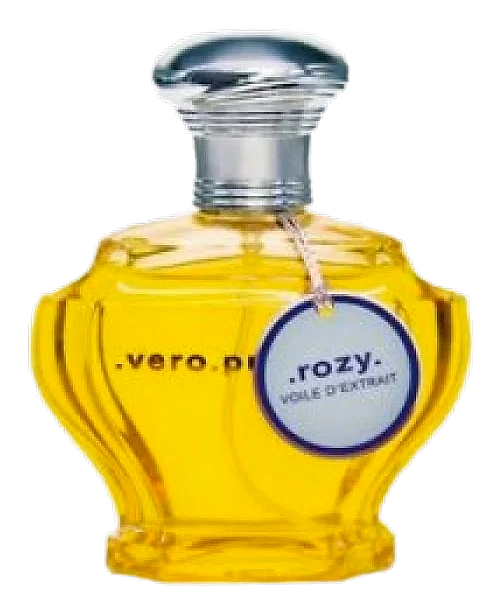
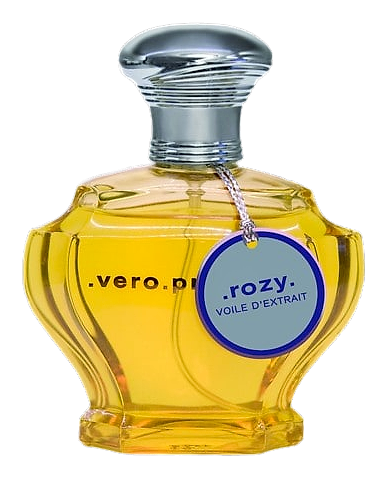
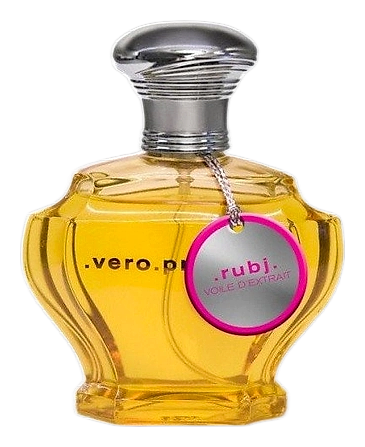
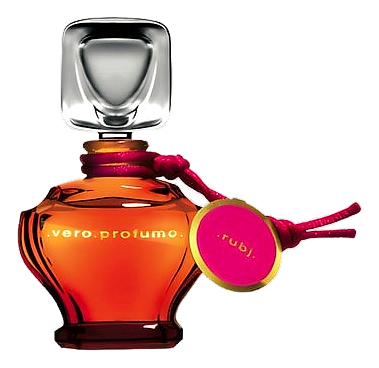
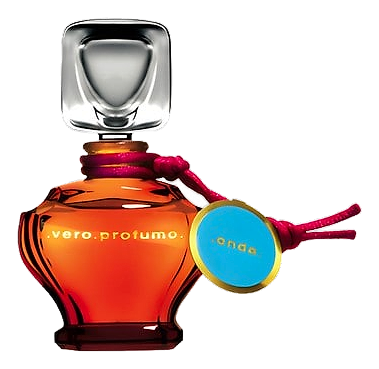
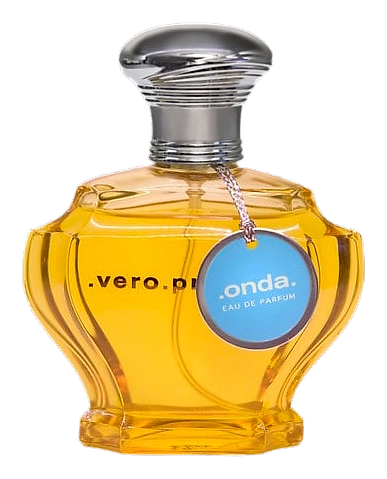
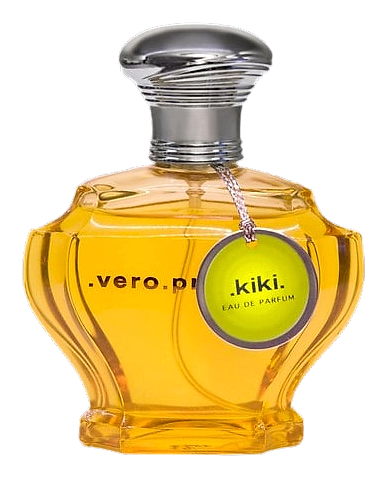
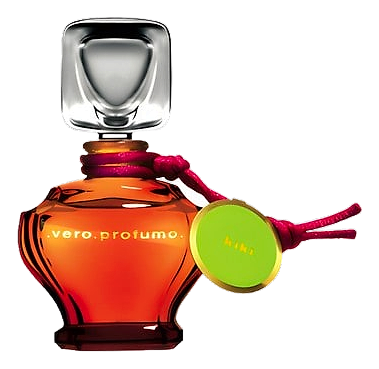
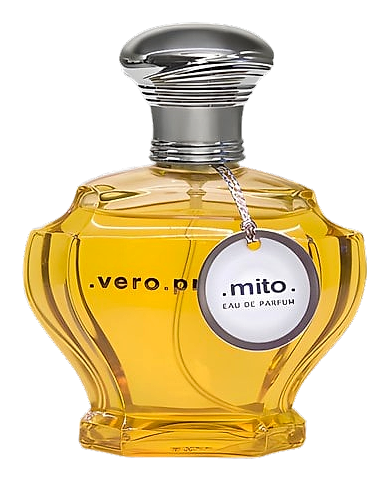
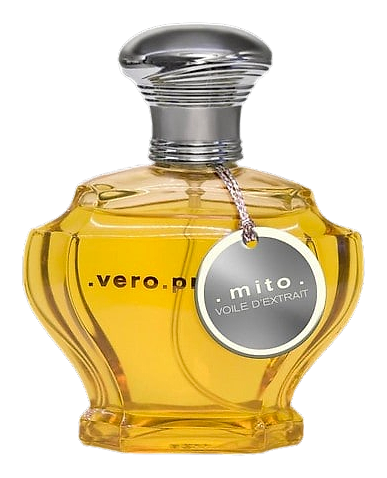
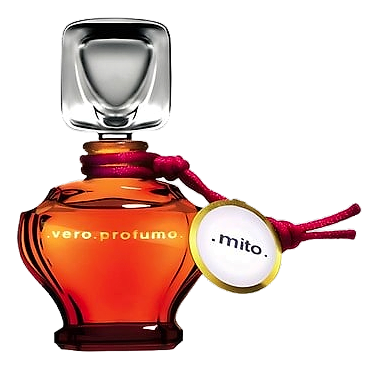
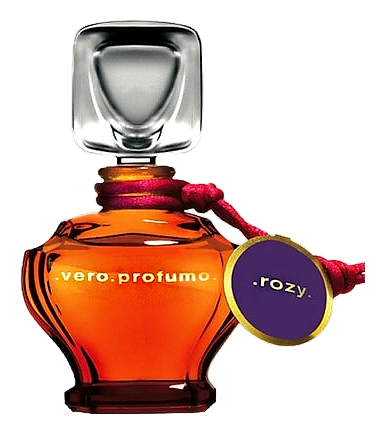
Rozy is Vero Kern's tribute to Anna Magnani, specifically, the fierce, grief-stricken, gloriously alive Sicilian widow Magnani played in the 1955 film The Rose Tattoo. Kern described the concept as a scent like a rosy tattoo, something that works under the skin and on the skin as permanent ink. Released in 2014 as an Extrait de Parfum, Rozy joined the house's tight collection alongside Kiki, Onda, Rubj and Mito, each one a fully executed idea rather than a marketable iteration. The fragrance embodies Kern's two guiding principles: eroticism and originality, refusing to soften or apologize for what it is.
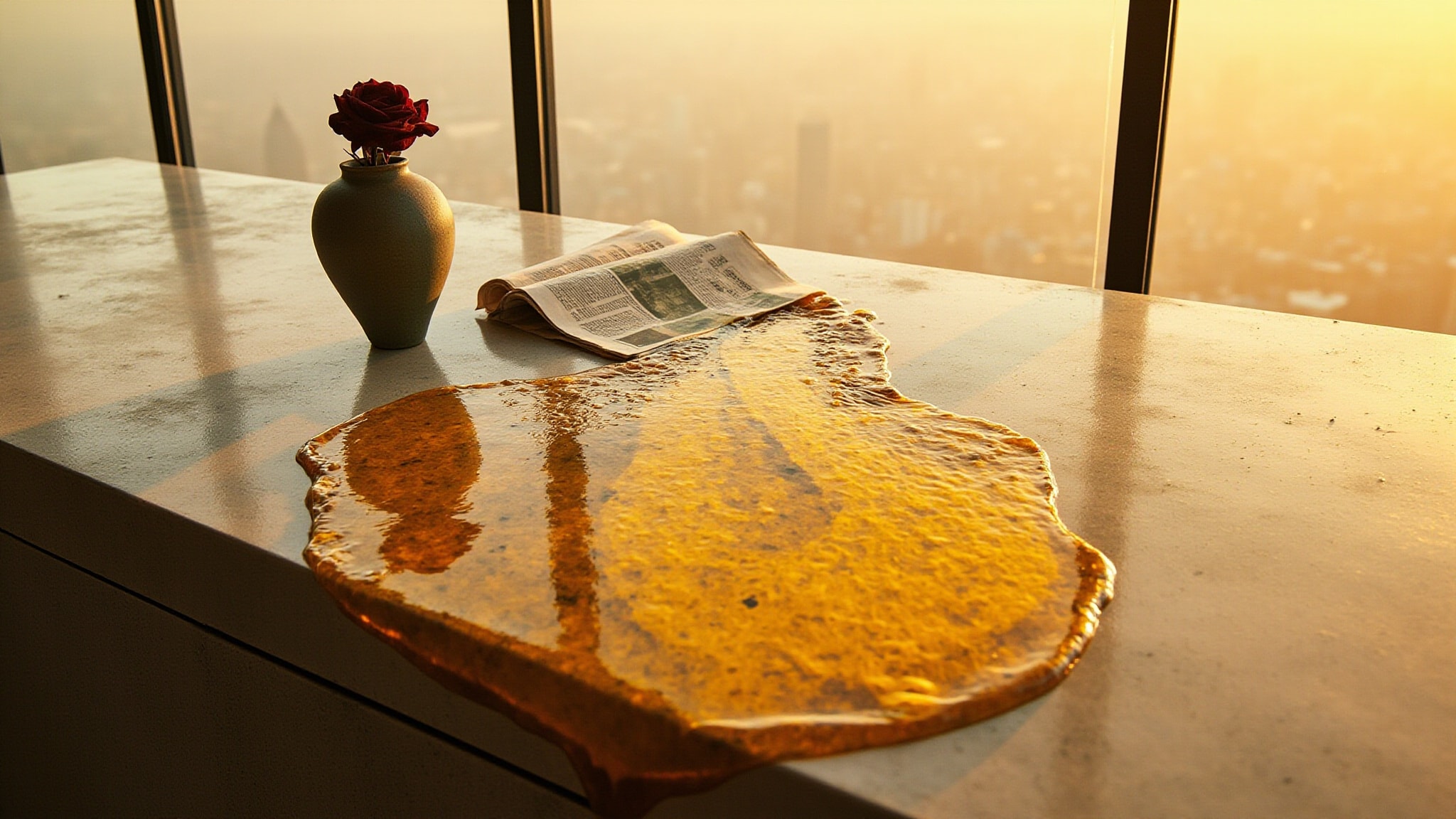
What makes Rozy's structure unusual is the tension between its materials. The honeyed labdanum is dense, almost lacquer-like, the Black Narcissus reviewer described it as oozing in unguent, spoonable reams. Against it, blackcurrant bud brings a sharp, green bitterness that keeps the sweetness from becoming decorative. Tuberose isn't the creamy tropical kind here; it reads darker, more nocturnal, woven through with spices that give it an almost savory edge. Oriental rose doesn't flutter, it grounds itself in resin, holding on past where most florals would have already faded.
The evolution
Rozy opens thick and resinous, honey and labdanum announce themselves immediately, dense enough to coat. The blackcurrant bud cuts through briefly, a green-bitter counterpoint that prevents the opening from becoming syrupy. Within the first hour, tuberose rises and softens everything, blending the honey into the petals rather than the other way around. The spices become more apparent in the heart, warm and diffuse rather than sharp. By hour three, the composition has settled into its base: sandalwood and labdanum together, close to skin, intimate sillage. The fragrance demonstrates impressive longevity, lingering on the skin with a subtle yet persistent presence that evolves throughout the day. Its resinous drydown creates a warm, intimate aura that remains close to the skin, revealing nuanced details as the hours pass.
Cultural impact
Rozy occupies a specific corner of niche perfumery: not the safe floral, not the loud oriental, but something that commits to both density and beauty simultaneously. The Extrait concentration ensures impressive longevity that outlasts most flankers and reinterpretations, accompanied by a resinous drydown that stays close rather than announcing. Wearers who connect with Rozy tend to describe it as marking them, becoming part of their skin rather than sitting on top of it. The perfume community has noted its resemblance to a tattoo in both permanence and intimacy.