The Story
Why it exists.
The beginning
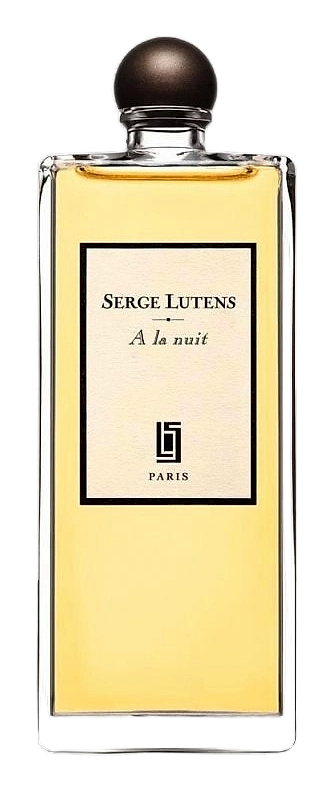
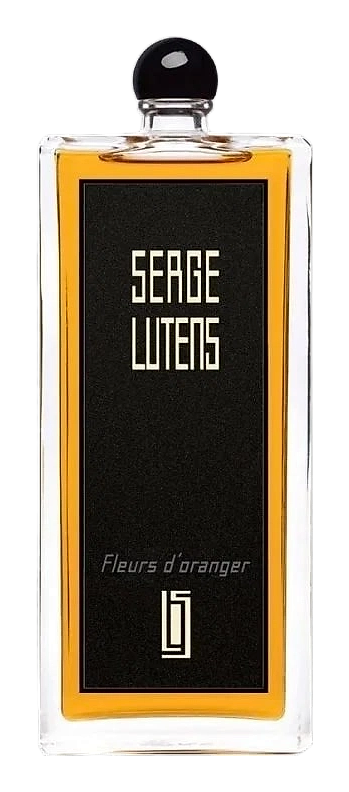
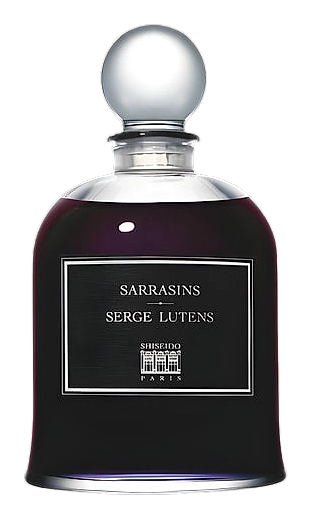
The Saracens, Sarrasins, were the nightmare of medieval Europe. Pirates, raiders, the terror at the gates. Serge Lutens took that word, that weight of fear and foreignness, and did something unexpected. He made it gentle. The name preserves the history: dangerous liaisons founded in fear and desire, words held prisoner in the mists of time. But the fragrance breathes something else entirely. Soft. Floral. Delicate. Released in 2007 from the Flacons de table collection, Sarrasins sits in Lutens' more restrained line, the bottles with clear glass and silver accents, where the visual quietness lets the scent speak without announcement. Christopher Sheldrake collaborated on the composition, building from jasmine and carnation into a musk base that stays close, intimate, meant for skin rather than rooms.
The note structure is deceptively simple, blossoms, jasmine, carnation, musk. Four elements that shouldn't carry this much weight. The trick is in what Lutens calls the "dangerous liaisons founded in fear and desire." Carnation does something spiced here, something that warms without burning. The jasmine doesn't bloom loudly, it drifts. And the whole composition sits on musk that feels biological, present, like warmth rising from skin. It's the contrast that matters: a name that evokes threat, a scent that evokes intimacy. The historical reference becomes a provocation. What does it mean to wear something named for your enemies, but smell like their opposite?
The evolution
The opening hits transparent, floral notes that barely announce themselves before jasmine takes over. Ten minutes in, the carnation appears. Not sharply, but as a warmth. The spiced edge that most carnation interpretations miss. This is where it earns its name. Two hours in, the jasmine softens but doesn't disappear. It becomes the ambient temperature of the scent, always there, never pushing. The musk arrives quietly, settling into skin-warm territory. By hour four, you've forgotten you're wearing anything. The fragrance has become atmosphere. On fabric, the carnation persists longest. On skin, it's the jasmine-musk combination that lingers past eight hours. The drydown is close, intimate, almost conspiratorial, this is a fragrance that tells you a secret rather than announcing itself across a room.
Cultural impact
In the Lutens catalogue, Sarrasins occupies a specific position. It's the soft option, the one you reach for when you want the brand's edge without its usual confrontational charge. The jasmine-carnation pairing, uncommon in mainstream perfumery, has made it a quiet reference point for white floral enthusiasts who appreciate warmth over brightness. Part of what makes it notable is the name-to-scent dissonance. Most fragrances align their marketing with their smell. Lutens built a career on productive contradictions, and Sarrasins is a clear example: a name that evokes medieval fear, a scent that evokes contemporary intimacy.