
Heritage
A house, in its own words
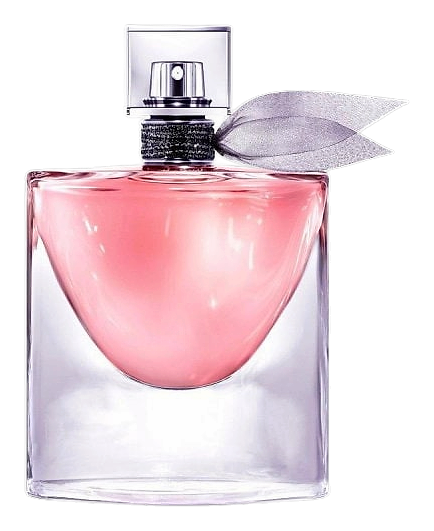
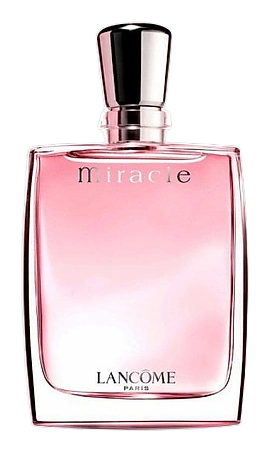
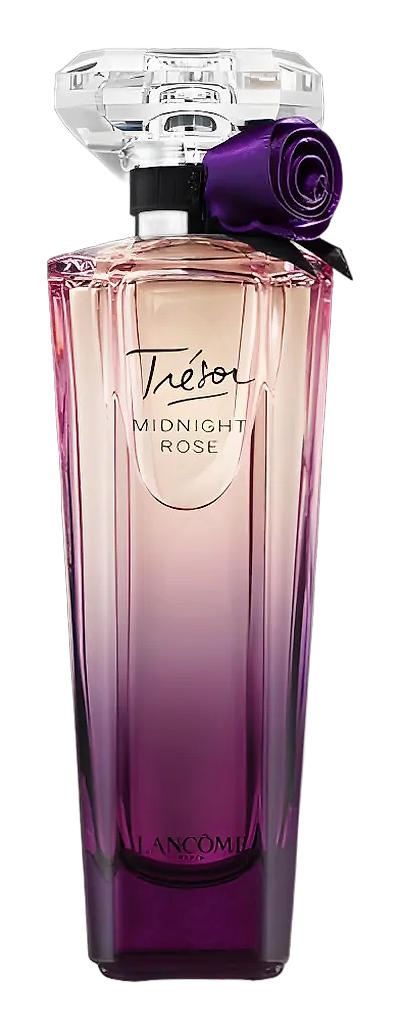
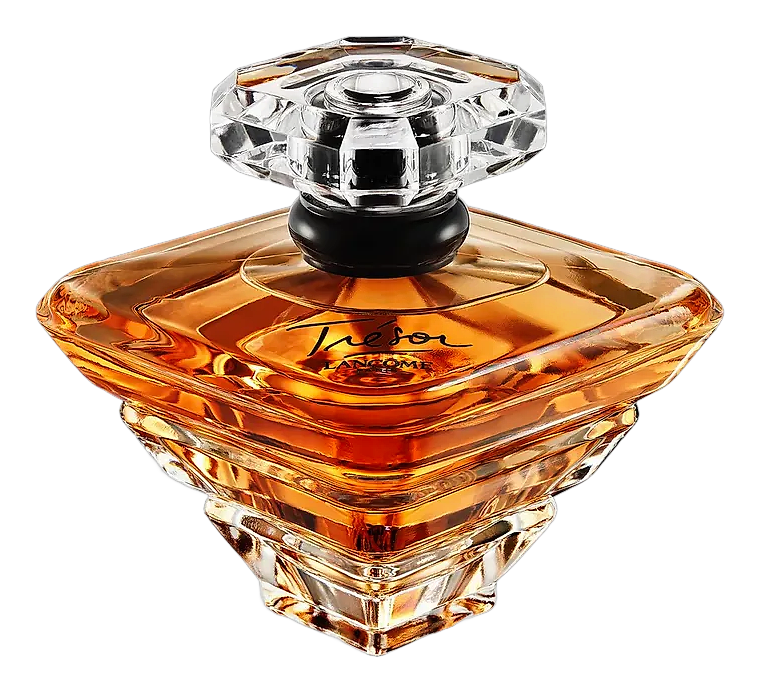
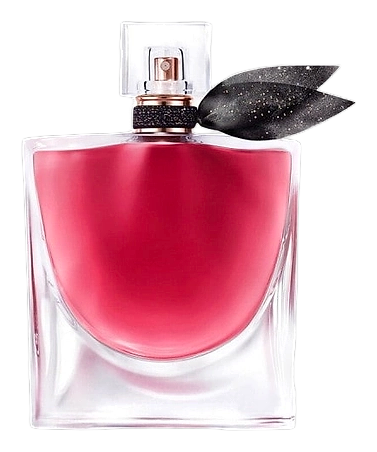
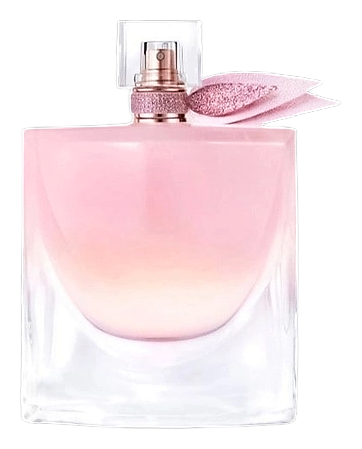
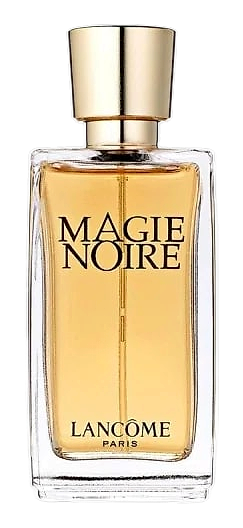
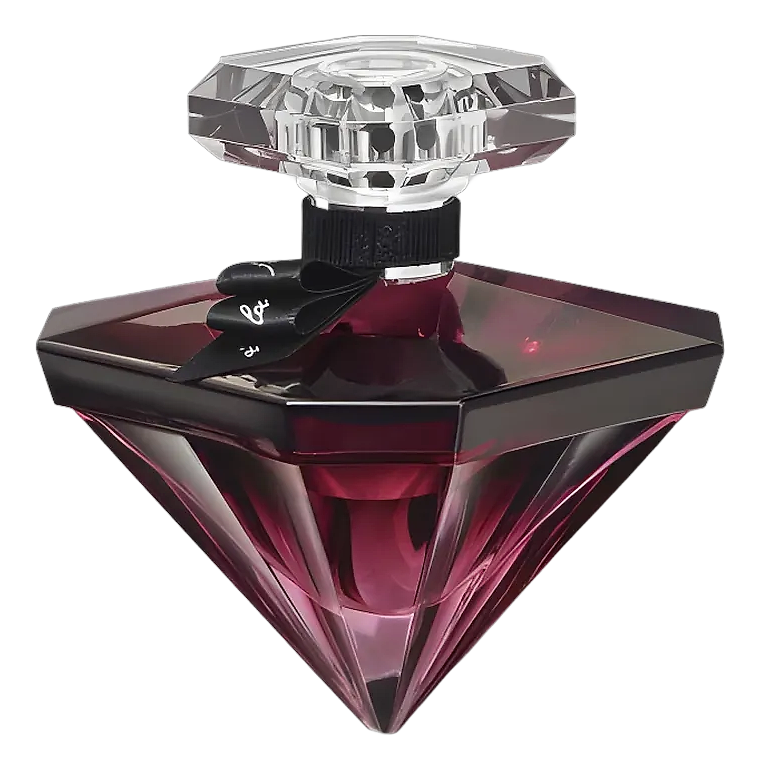
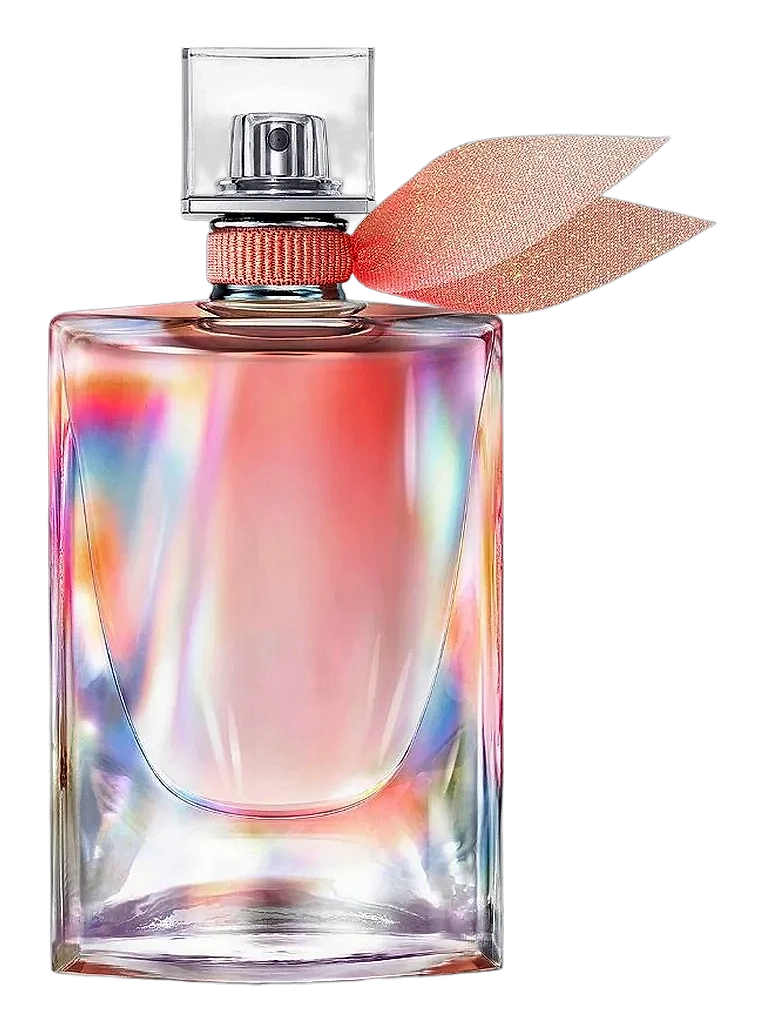
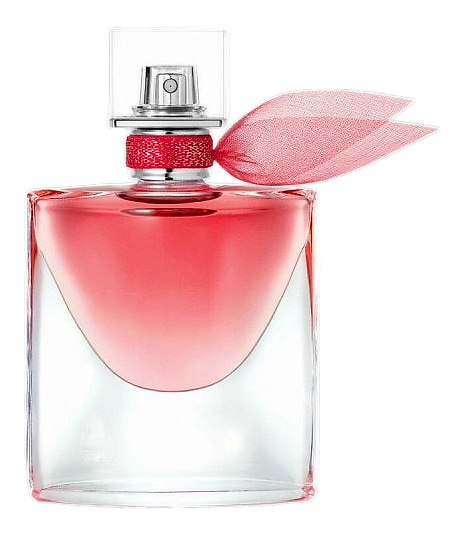
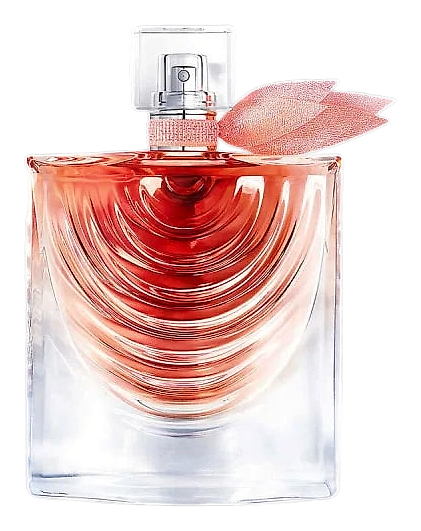
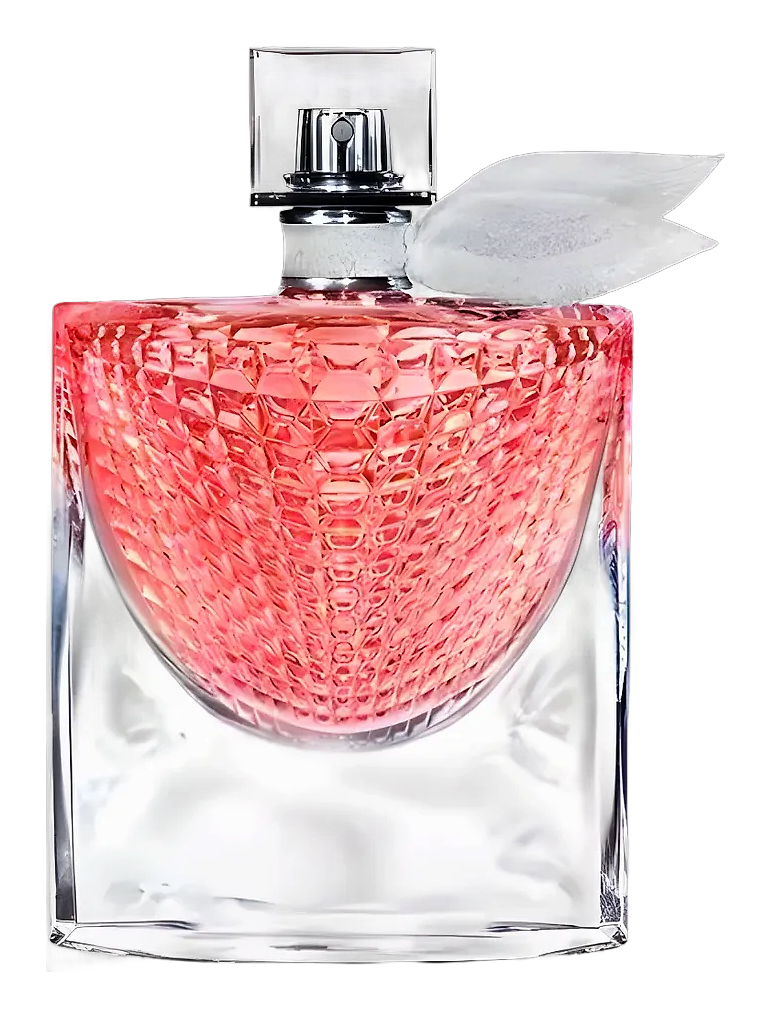
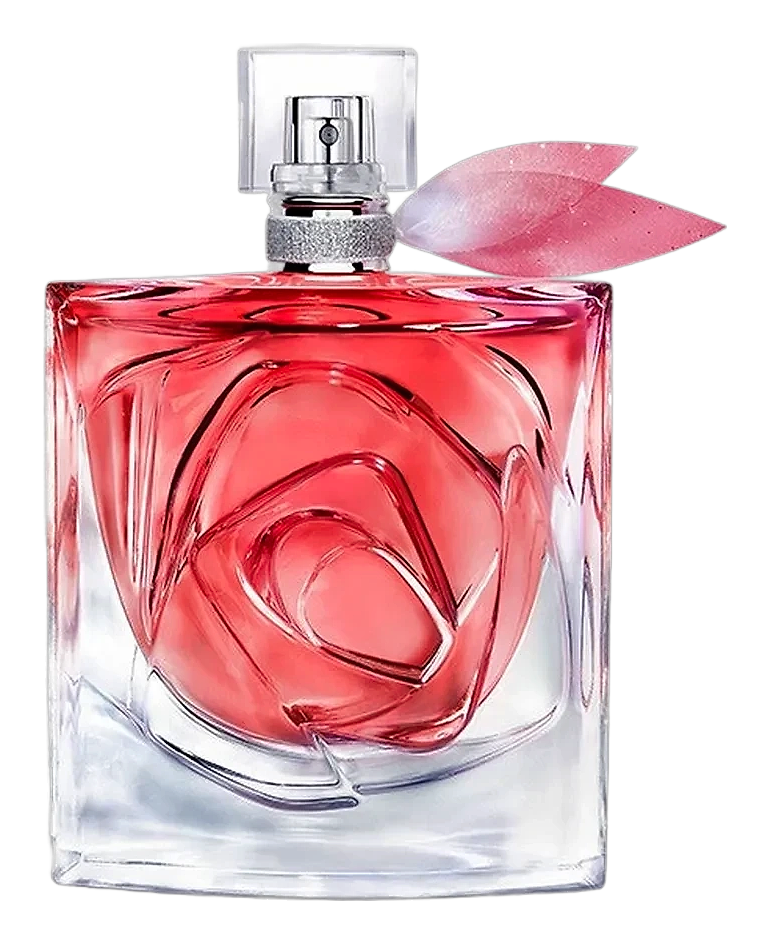
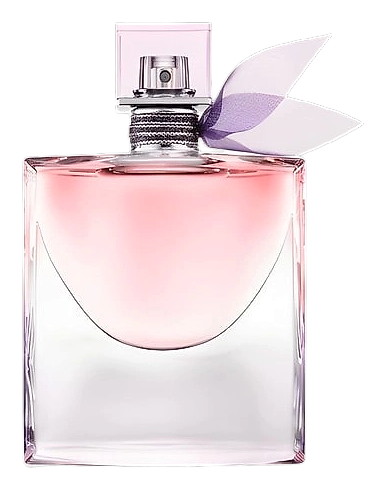
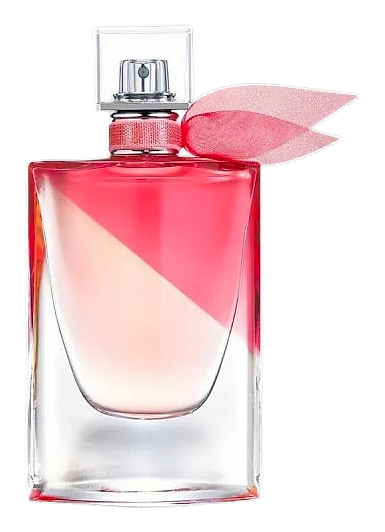
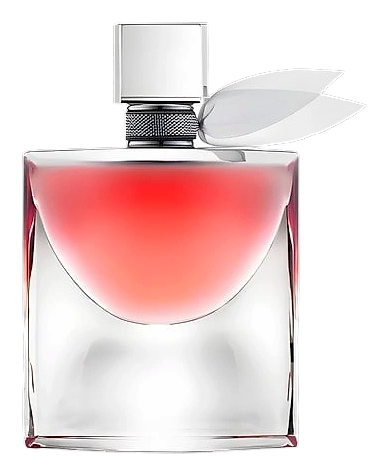
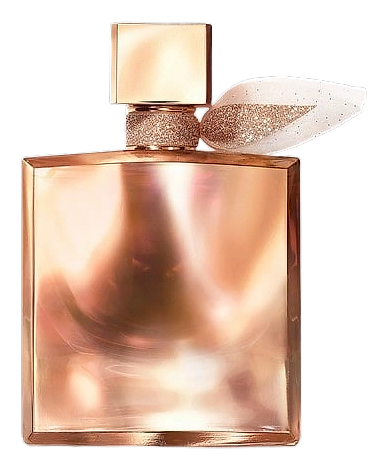
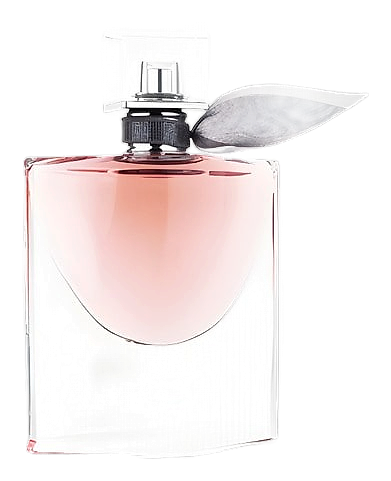
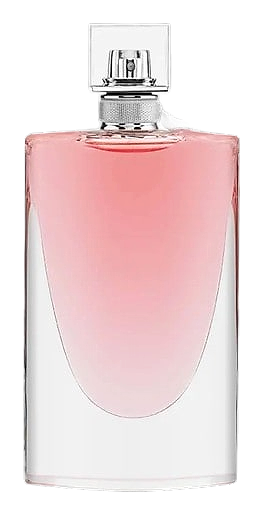
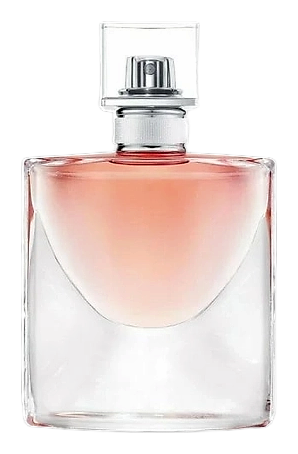
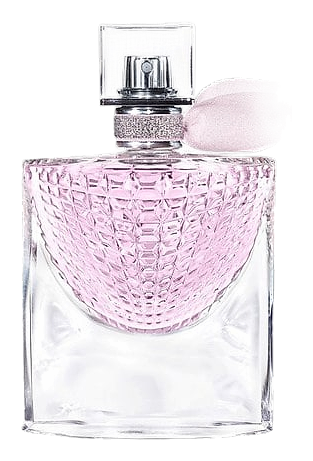
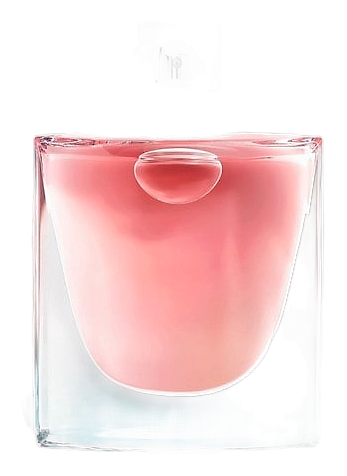
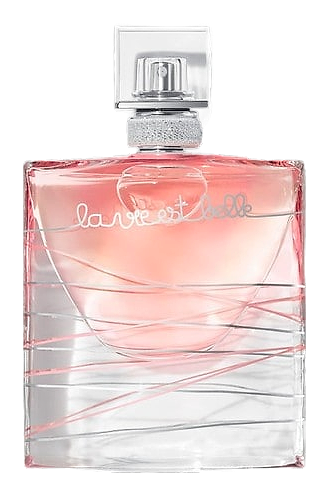
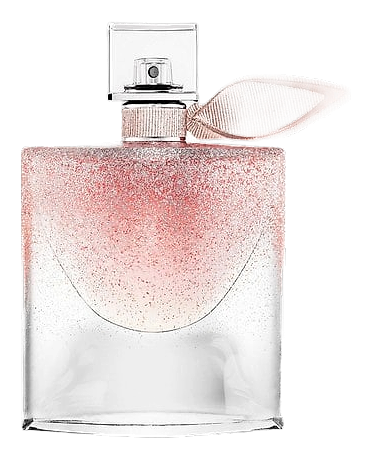
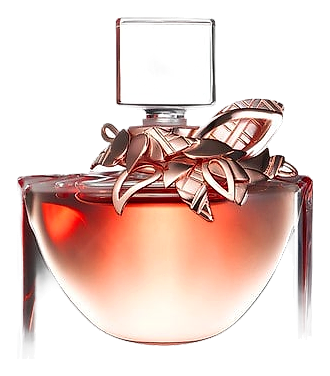
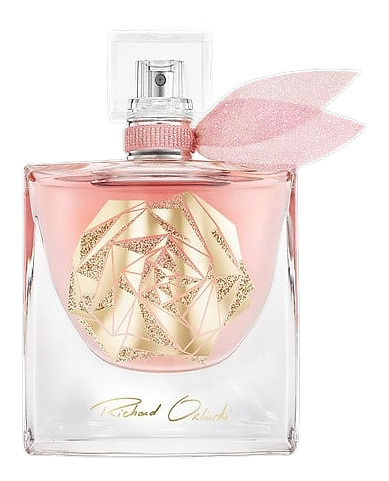
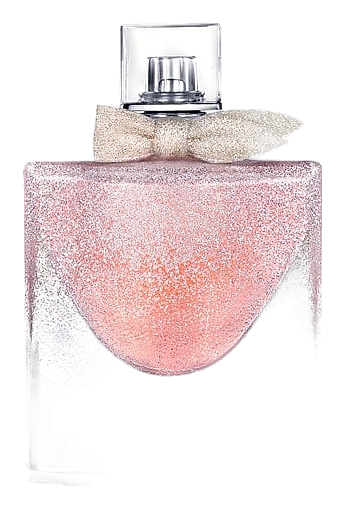
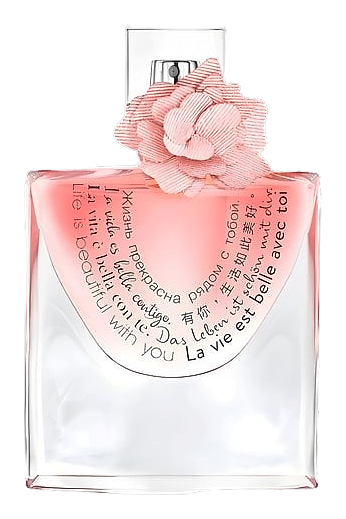
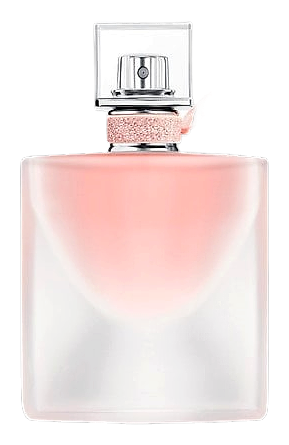
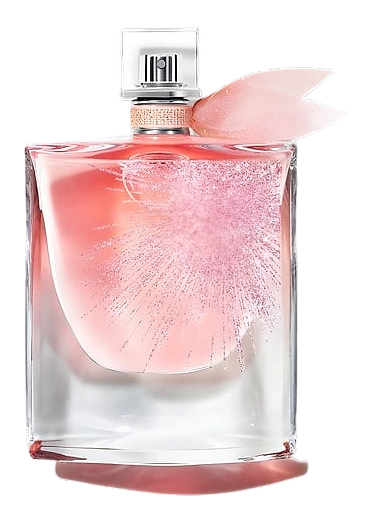
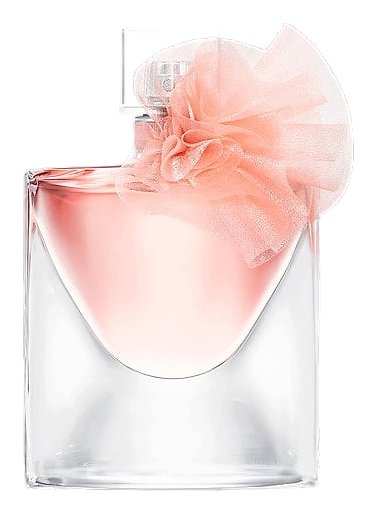
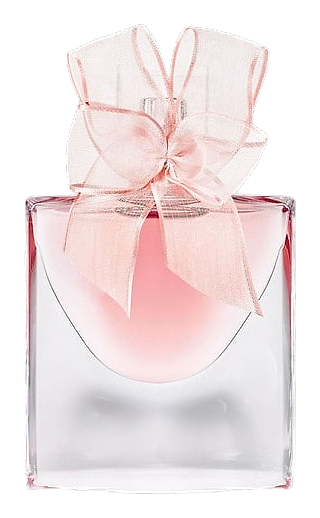
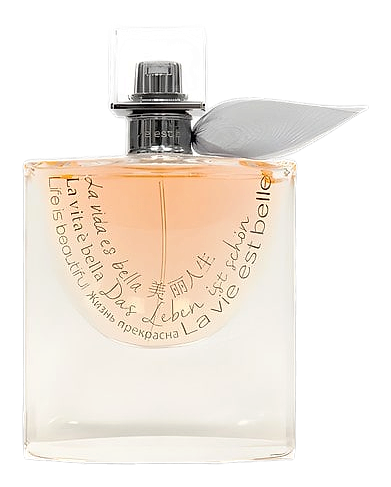
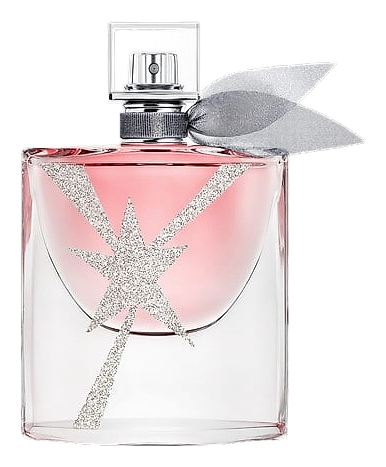
Armand Petitjean founded Lancôme in 1935, naming it after the forest of Lancosme, a place he encountered during his travels and that stayed with him. A former collaborator of perfumer François Coty, Petitjean brought a perfumer's sensibility and a diplomat's sense of occasion to his new house. He opened with five fragrances at the World's Fair in Brussels, each presented in a bottle inspired by the five points of a star, a gesture that established the house's theatrical, design-forward sensibility from day one. The brand quickly grew beyond France. By the mid-twentieth century, Lancôme was present in major markets across North America, and it expanded into skincare and color cosmetics, building the broader beauty identity that surrounds its perfume work today. The fragrance portfolio evolved through distinct chapters, from the post-war romanticism of Envol (1957) and the oriental allure of Sikkim Parfum (1971) to the contemporary blockbuster era led by Trésor and La Vie Est Belle. The house has consistently partnered with leading perfumers, which keeps the catalogue feeling fresh even after ninety years. Lancôme remains part of the L'Oréal group, giving it global reach while preserving its French creative direction. The perfume business, once the foundation, now sits within a wider beauty universe, but fragrance continues to anchor the brand's identity. Lancôme's creative center of gravity has always been French femininity, a concept the house treats as something to be explored rather than defined. Early fragrances leaned into romance and escape, while later compositions moved toward confidence, pleasure, and playfulness. La Vie Est Belle captures that shift perfectly, built around a modern vision of joy expressed through iris, patchouli, and gourmand warmth. What keeps the house distinctive is its willingness to oscillate between crowd-pleasing bestsellers and more distinctive artistic projects. The Parfait de Rôses Edition d'Art and the 2019 collaboration with Atelier Paulin show a perfume house that still thinks in terms of objects and collectibility, not just shelf presence. Limited editions and numbered flacons sit comfortably beside core pillars. The house also believes perfume should meet its wearer across categories. Hair mists, body mists, intensifiers, and lighter concentrations extend each scent's wardrobe, giving customers permission to wear Lancôme across the day rather than saving it for a single moment.