The Story
Why it exists.
The beginning
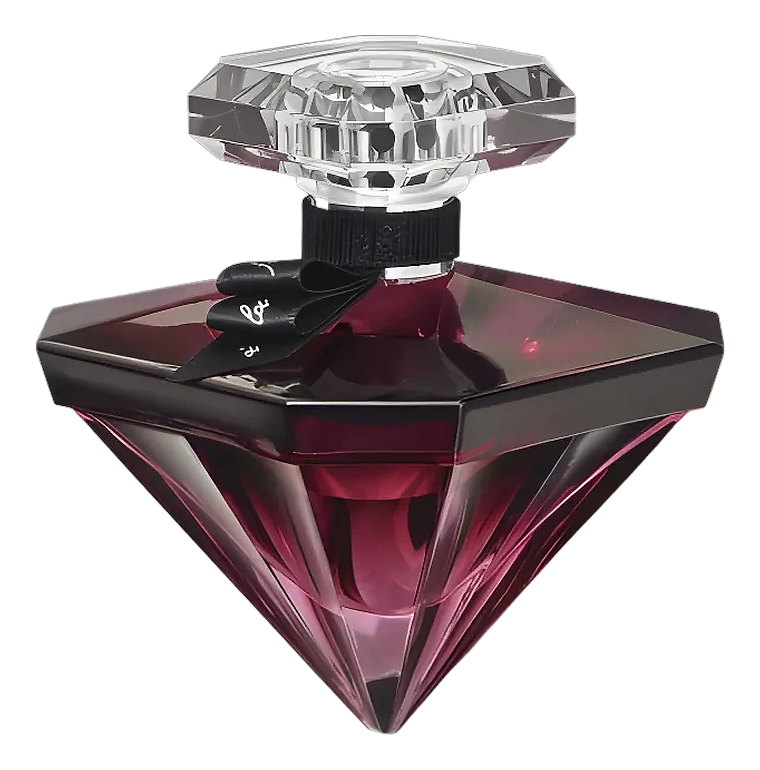
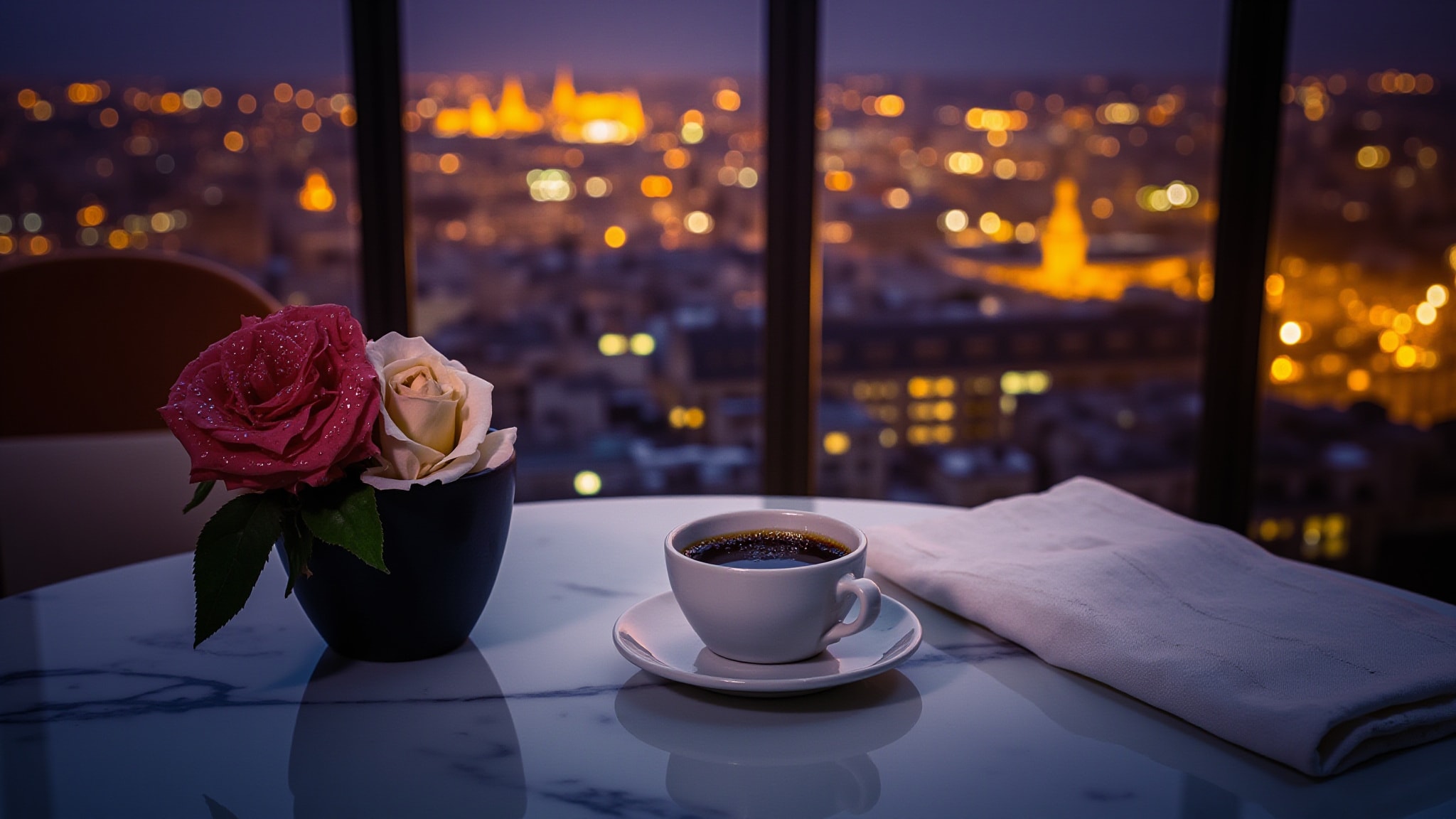
Lancôme's Fleur de Nuit is named for the flower of the night, a direct reference to mirabilis, the night-blooming marvel at its heart. But the real story of this flanker is the coffee. The perfumers built it around the idea of an evening floral, one where white blossoms and cream notes form the visible structure, while something altogether different runs underneath. The macchiato note doesn't hide. It hums beneath the petals, present from the start, ready to take center stage when the moment comes. This is what separates Fleur de Nuit from the rest of the line: not the florals everyone expects, but the coffee that waits beneath them, patient and confident, eventually becoming the whole conversation. The name is almost a misdirection.
What makes this composition work is the tension the perfumers built into every layer. The rose and white florals are warm, generous, almost naive in their beauty, jasmine, tuberose absolute, and mirabilis in full bloom. Then the base does something unexpected: macchiato and whipped cream don't soften the florals, they interrogate them. The patchouli keeps it grounded, earthy, refusing to let the whole thing float away into pure sweetness. It's a fragrance that argues with itself, productively, for hours.
The evolution
The rose arrives first and means it. Bright, Damask, the kind of opening that announces itself without apology. The white florals build from there, classic Lancôme territory: jasmine and tuberose expanding in their lactonic warmth, cream rising underneath, the whole composition unfolding like it's been waiting for you to notice. The macchiato is there from the start but it doesn't dominate yet. It waits. In the drydown, the coffee takes over, not gradually but fully, completely, with whipped cream warming it just enough to feel indulgent rather than harsh. Patchouli anchors everything to skin, creating a foundation that holds the gourmand notes steady while the florals recede. The macchiato doesn't fade. It becomes the whole conversation.
Cultural impact
Fleur de Nuit fits squarely into Lancôme's philosophy of beauty as happiness, but worn after dark, without apology. The house's campaign face, Penélope Cruz, embodies the sensibility: sensuality without reservation, confidence that fills the room without announcing itself. The flanker takes the joy-of-living spirit and asks what happens when you turn the lights down. The coffee note brings something unexpected to the Lancôme lineup, a gourmand edge that feels at home alongside the florals rather than fighting them.
The House
LancômeLancôme stands as one of France's most enduring luxury beauty houses, a name synonymous with elegant femininity and the art of French perfumery. Founded in 1935 by Armand Petitjean, the house emerged during economic uncertainty with a clear mission: to bring prestige back to beauty after witnessing the mass-market drift of his former employer. Today, operating under L'Oréal's luxury division, Lancôme balances heritage with modernity, crafting fragrances like La Vie Est Belle and Trésor that have become global icons while maintaining the golden rose emblem that has marked its bottles for nearly ninety years.
The Creator
Amandine Clerc-Marie & Honorine Blanc & Alexis GrugeonWhile it's difficult to pin down a single, defining characteristic across her entire body of work, a certain smoothness and refinement seem to be consistent themes. She appears to favor well-blended compositions, where individual notes harmonize to create a cohesive whole.