The Story
Why it exists.
The beginning
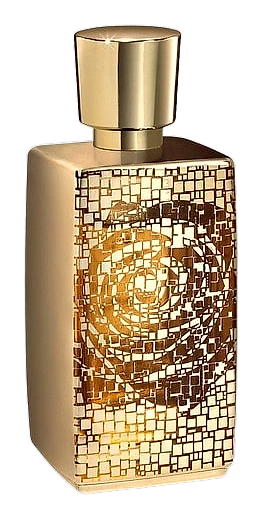
Fabrice Pellegrin built Oud Bouquet in 2014, tasked with taking the richness of oud and softening its edges without losing its soul. The brief was clear. The 2016 relaunch confirmed the direction, bringing the fragrance back into focus with renewed attention to its warm, approachable character. Early adopters had responded to something in the original that felt different from typical oud releases, less confrontational, more inviting. The 2016 version reinforced that initial promise.
What makes Oud Bouquet work is the praline. Not as decoration, but as a bridge, the note that turns oud's natural darkness into something edible, something you lean into rather than away from. Rose helps, of course. It keeps the composition from becoming heavy, adds a breath of something floral that reads as feminine without being fragile. Vanilla in the base doesn't just add sweetness, it extends the wear. The fragrance becomes part of your skin over hours, not minutes.
The evolution
It opens with saffron, sharp, almost metallic, a little bit of heat that announces itself and then steps back. The rose arrives within minutes, softened before you can pin it down. Oud settles in next, not as a bomb but as a foundation. Then the praline rises. Hours two through six are where this fragrance lives, warm, sweet, slightly nutty, close to the skin but impossible to ignore. The drydown softens further, creating a whisper rather than a statement. Vanilla and wood emerge, lingering subtly as the fragrance fades. On fabric, it lingers until the next wash.
Cultural impact
Oud Bouquet has become a notable entry in the oud category, standing out for its approachability. The blend of oud with sweeter notes like praline creates something that feels inviting rather than intimidating. The rose and saffron add complexity without overwhelming. This combination has resonated with wearers looking for something different from traditional oud fragrances. The 2016 relaunch brought renewed attention to the fragrance and its place in the Lancôme collection.
The House
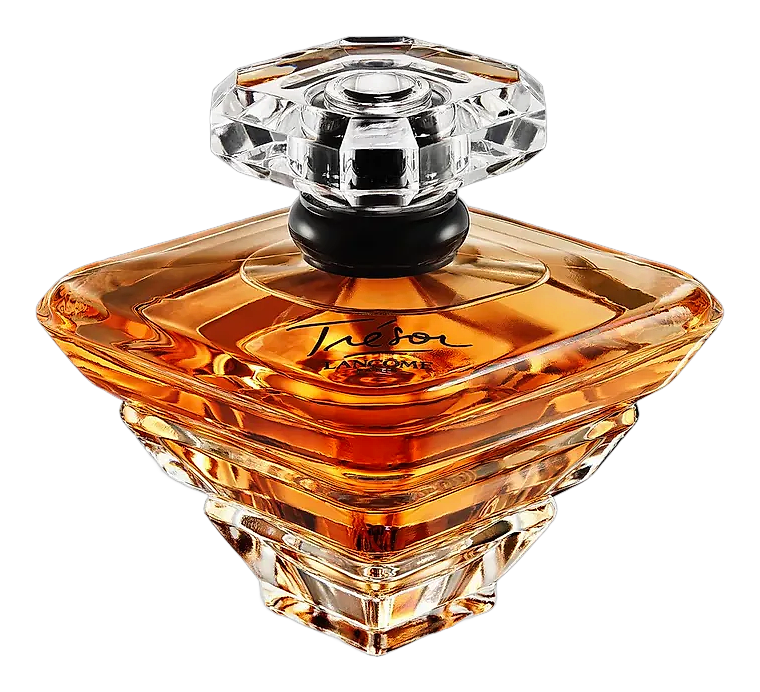
LancômeLancôme stands as one of France's most enduring luxury beauty houses, a name synonymous with elegant femininity and the art of French perfumery. Founded in 1935 by Armand Petitjean, the house emerged during economic uncertainty with a clear mission: to bring prestige back to beauty after witnessing the mass-market drift of his former employer. Today, operating under L'Oréal's luxury division, Lancôme balances heritage with modernity, crafting fragrances like La Vie Est Belle and Trésor that have become global icons while maintaining the golden rose emblem that has marked its bottles for nearly ninety years.
The Creator
Fabrice PellegrinPellegrin's style often leans towards a bright, fresh feel, frequently incorporating citrus notes and clean musks. He's known for his skill in creating light and airy fragrances, yet with surprising depth and longevity.