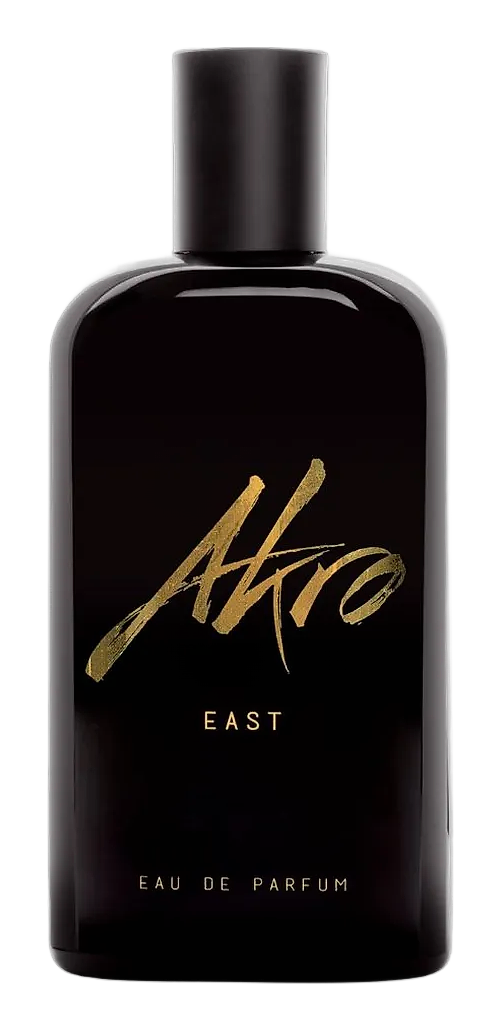

The Story
Why it exists.
The beginning
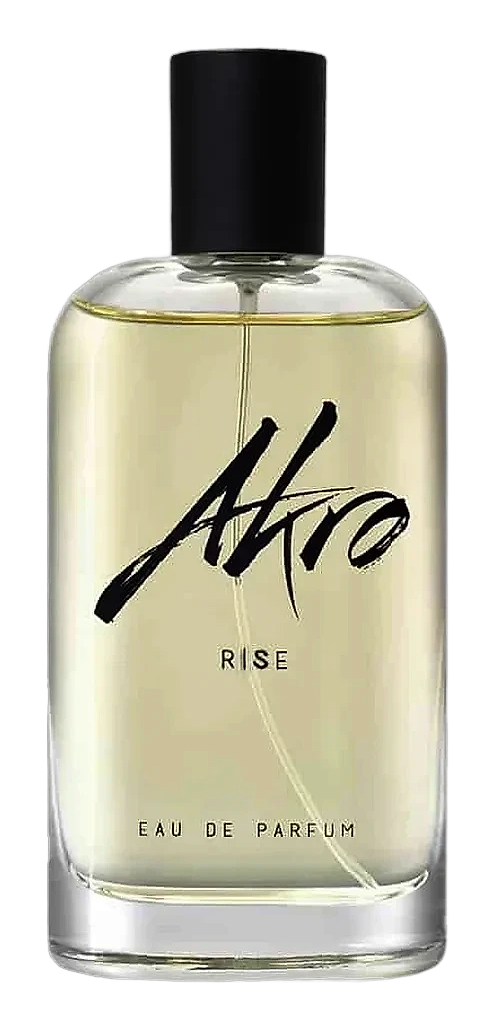
Olivier Cresp was working as a perfumer when travel stopped being part of the job and became the job itself. His work took him across markets and production houses, through spaces where scent was a living language rather than a luxury afterthought. East began as a personal compulsion to keep moving, to chase the next olfactory fix. Olivier found his fix in the United Arab Emirates, drawn to the way fragrance saturates daily life there. You encounter oud at every turn, in every doorway, woven into social rituals that predate any contemporary context. The brief was simple: bottle that density, that insistence, that sense of being surrounded by something you can feel on your skin long after you've left the room.
What makes East unusual is its structure. Fruity openings usually signal safe territory, the perfume equivalent of small talk. Here, raspberry acts more like a Trojan horse, sweet enough to disarm, it lets the oud creep in sideways before you've had time to brace for it. The leather doesn't arrive as a note so much as a temperature: warm, animal, slightly worn. Ambroxan anchors the whole thing close to skin, the kind of base that announces itself only when someone leans in. It's a composition built for contradiction, sweet and smoky, Western and Eastern, the familiar made slightly unfamiliar.
The evolution
Raspberry hits first. Bright, almost candied, with the faintest synthetic edge that reads more like a memory of fruit than fruit itself. Within ten minutes, that brightness starts to pull back and something darker takes its place. The oud emerges gradually, not aggressively, smoke more than wood, resin more than earth. The leather follows like a hand on your shoulder, warm and familiar. Three hours in, the drydown shifts again. The sweetness fades entirely, replaced by ambroxan's mineral, slightly salty finish. This is where East becomes personal, what remains on your skin reads differently than what you smelled in the air. Close enough to notice, distant enough to question. The next morning, traces of leather and ambroxan still cling to the wrist. Not loud. Just there.
Cultural impact
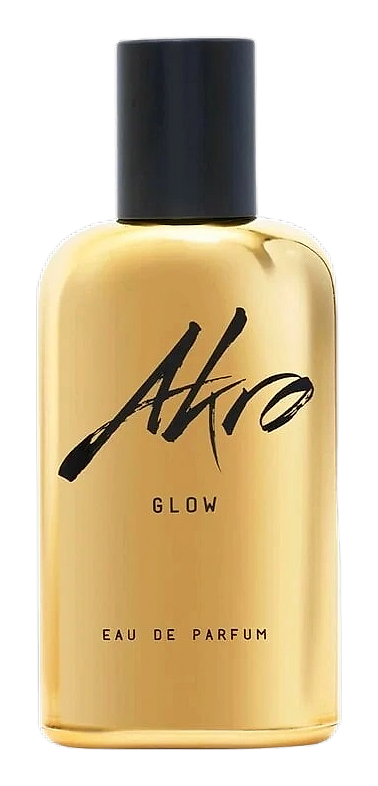
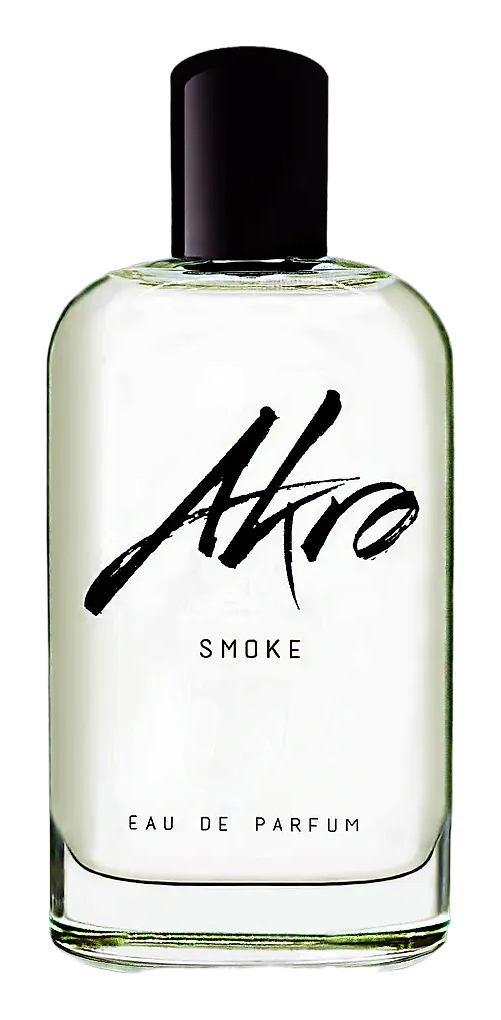
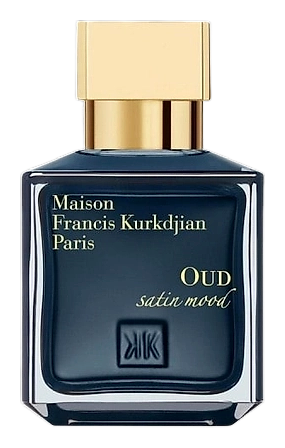
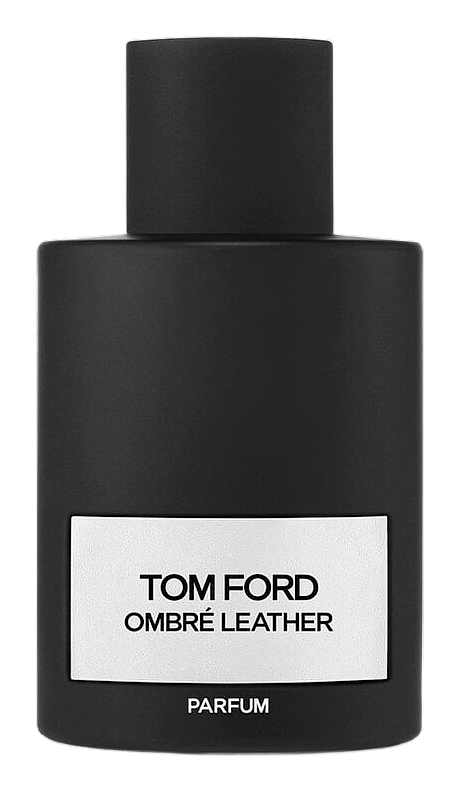
East sits in the sweet spot of Akro's catalog, neither as dark as Smoke nor as bright as Smile. It occupies the same territory as niche oud leathers from Tom Ford and MFK, but with more restraint at the opening and a fruit note that broadens its appeal. The travel-as-addiction positioning gives it a narrative hook that works for a specific kind of buyer: someone who travels frequently, associates scent with place, and wants a fragrance that functions as a souvenir they can wear year-round.