Oud Assafi
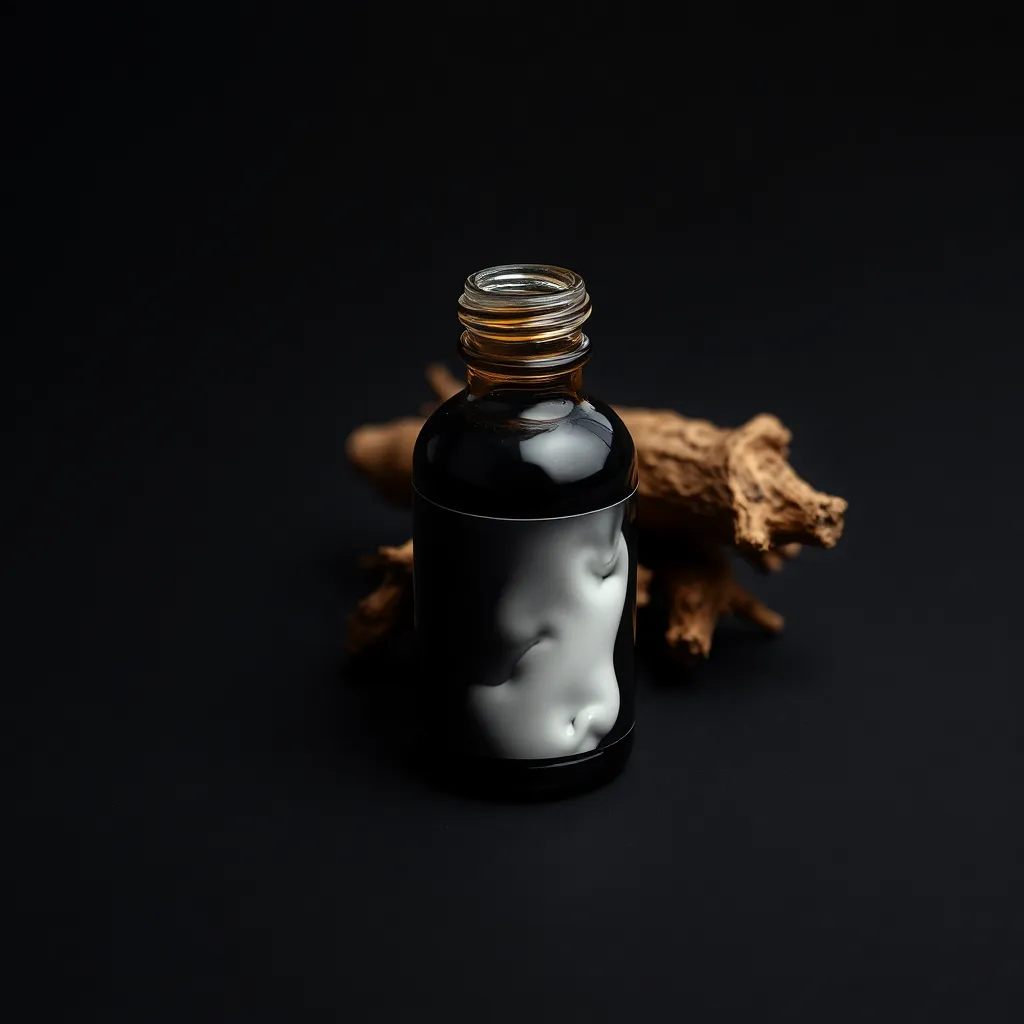
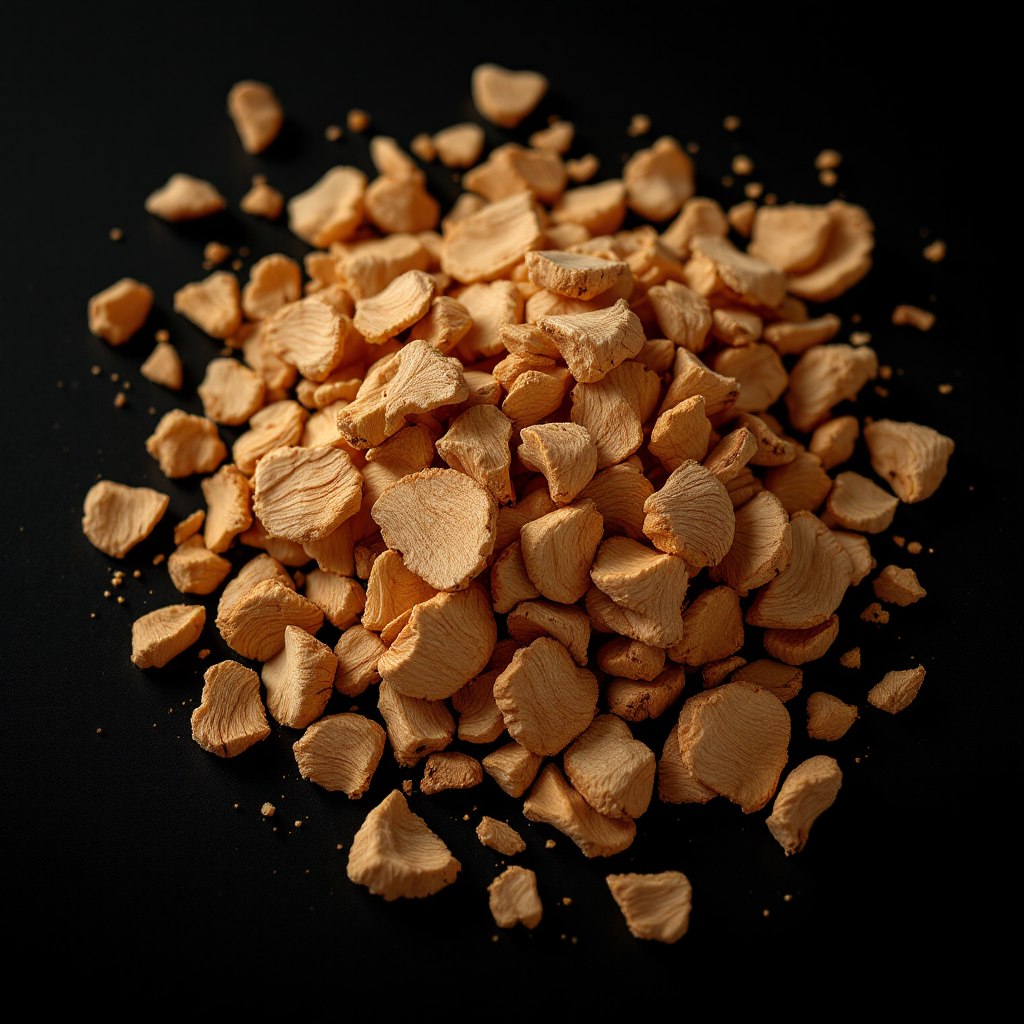
Oud Assafi™ represents the pinnacle of agarwood luxury—a rare and intensely complex oil prized across cultures for millennia. Sourced from infected Aquilaria heartwood, this scent captures smoky depth, dark resin, and an almost meditative stillness.
Character
How it smells
The rarest wood on earth, rendered into liquid gold.
Only 1 in 10 wild Aquilaria trees naturally produce the resin needed for true oud, making each harvest a discovery rather than a certainty.






Origin
India
Oud has perfumed human civilization for over 1,700 years. Central Vietnamese records from the third century A. D.
first documented agarwood extraction, though its use likely predates written history. Ancient elites in China, Japan, and Vietnam burned oud as ceremonial incense—its smoke carried spiritual significance in Buddhist rituals, where monks used it during meditation to focus awareness. The Arabic name "Assafi" translates to "extremely pure," reflecting centuries of traders and perfumers distinguishing qualities.
Bengal and Assam became renowned sourcing regions, their forests producing a particular aromatic profile beloved across the Islamic world and beyond. Today, wild stocks are tightly regulated due to overharvesting, making traceable sources like Oud Assafi™ increasingly precious.
Wears it best
Fragrances featuring Oud Assafi
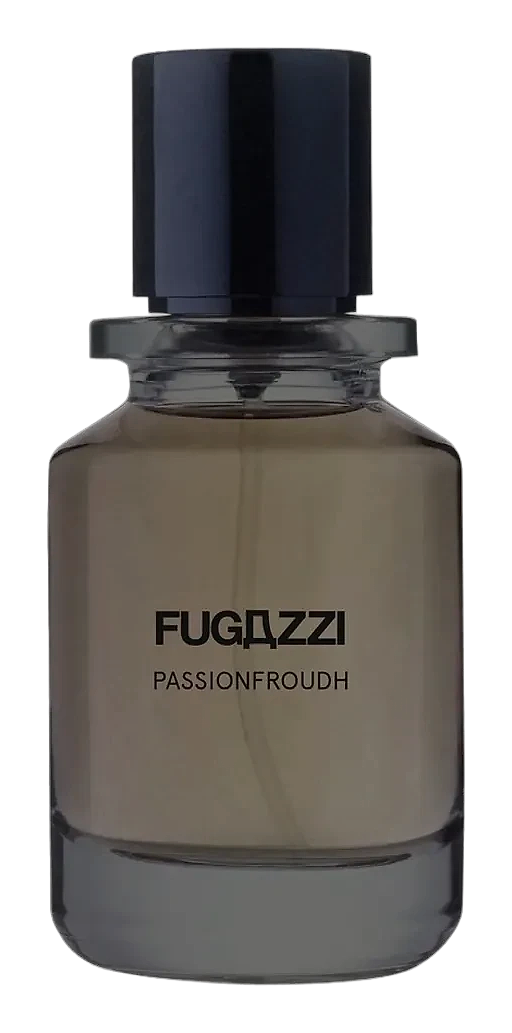
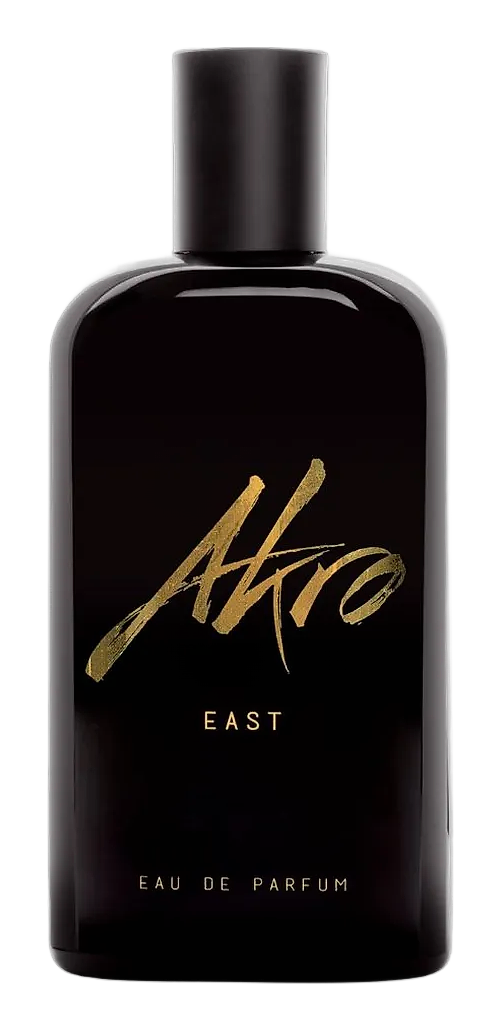
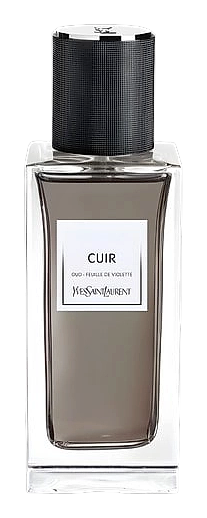
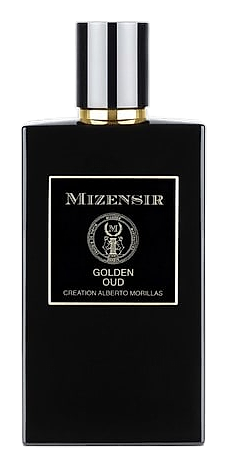
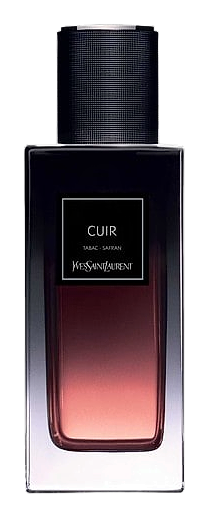
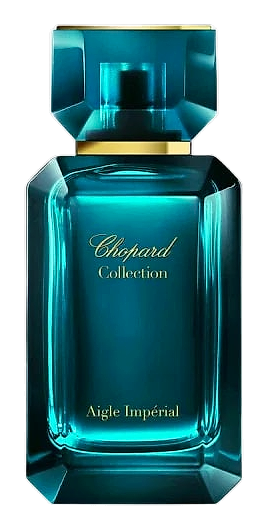
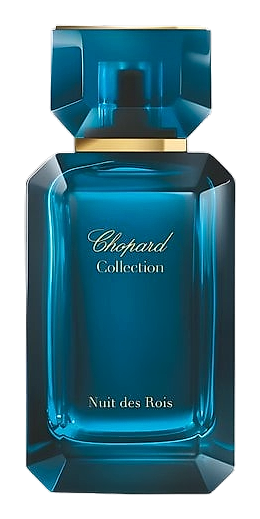
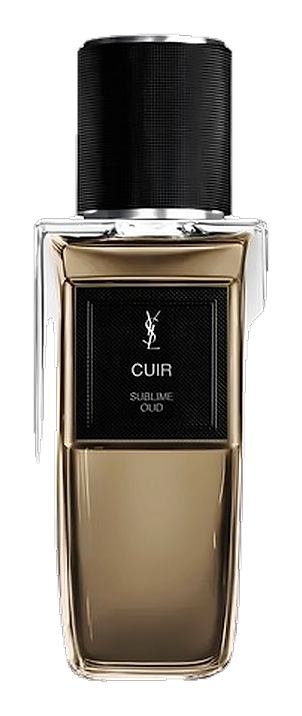
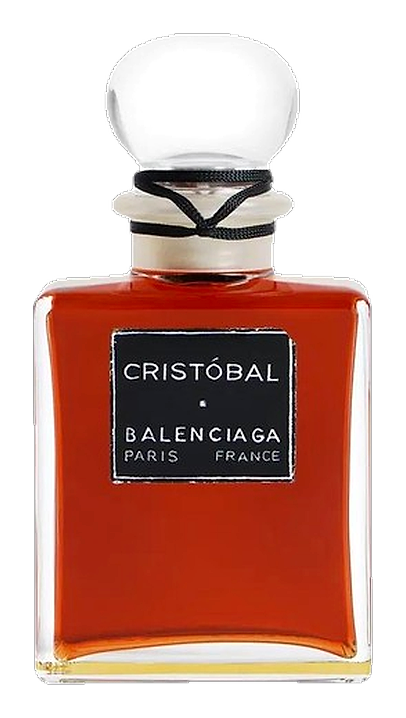
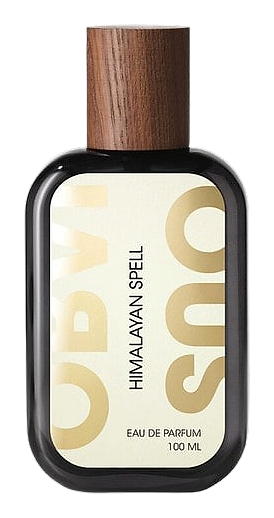
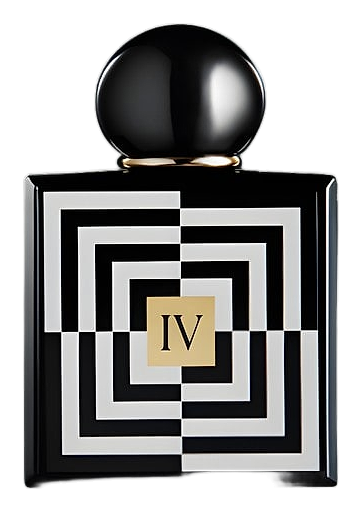
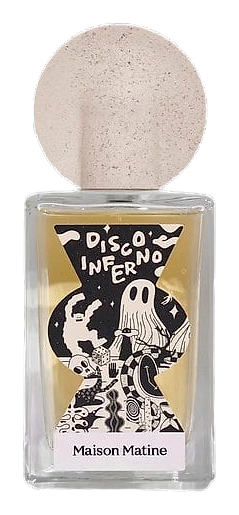
Brands
Brands known for Oud Assafi
Good to know
Questions, answered
The essentials on Oud Assafi in perfumery: how it smells, where it comes from, and how it behaves on skin.
What does Oud Assafi™ smell like?
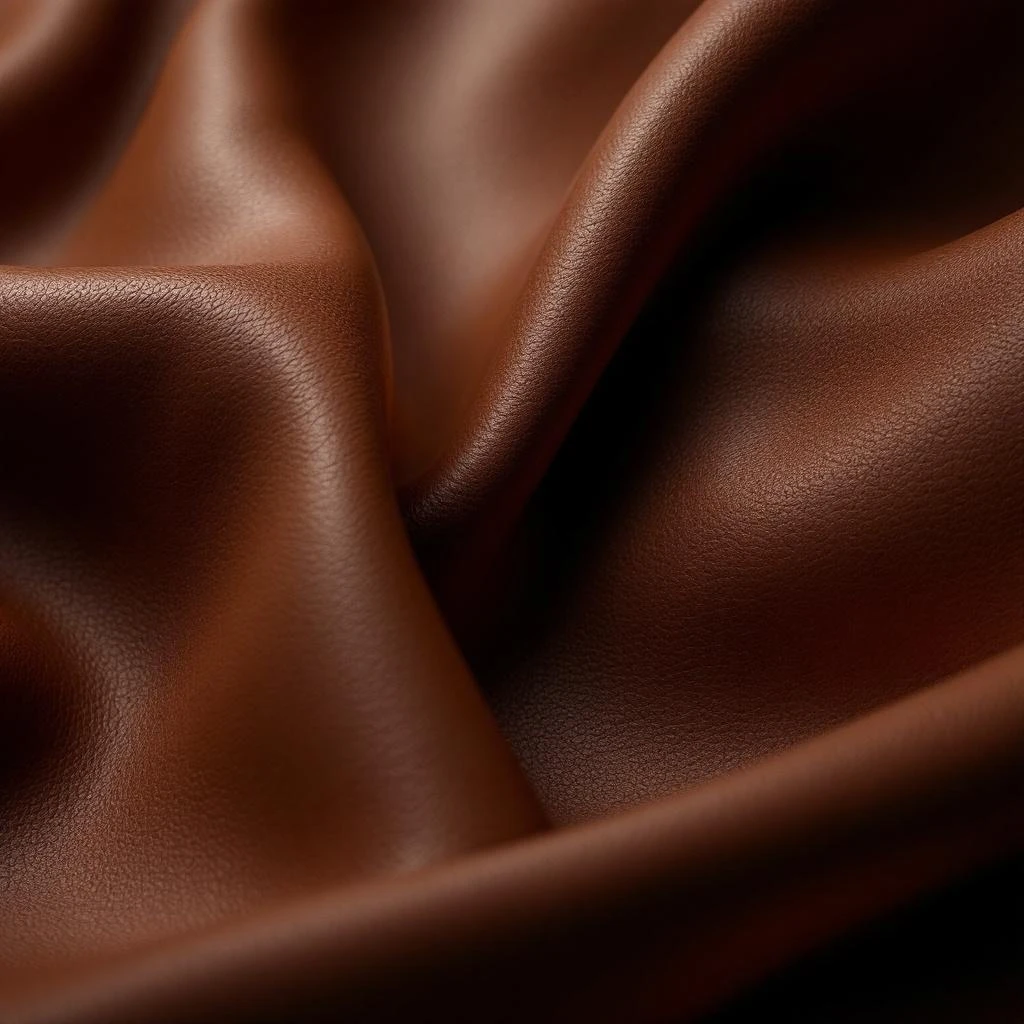
Oud Assafi™ offers an intensely smoky, resinous profile with deep balsamic sweetness. Bark-like dryness balances warm, almost medicinal complexity. Each batch varies slightly, but the signature includes dark woods, aged leather, and subtle spice that evolves for hours on skin.
Why is oud considered the world's most expensive fragrance ingredient?
Oud commands exceptional prices because Aquilaria trees require decades of natural infection before producing usable resin. One in ten wild trees develop the precious compound, and synthetic alternatives lack the complex depth of natural oud. Certified sources like Oud Assafi™ add further value through traceability and consistent quality control.
Is Oud Assafi™ sustainably sourced?
Certified Oud Assafi™ from Firmenich traces to responsibly managed Aquilaria plantations in Assam and Bangladesh. The Jalali Agarwood partnership ensures traditional harvesting methods while supporting replanting efforts—a critical practice as wild populations face pressure from illegal harvesting.
How long does oud last on skin?
Oud ranks among the longest-lasting perfume materials available. The dense resinous molecules adhere to skin for 12 to 24 hours, with the drydown revealing progressively softer, sweeter nuances. Applying to pulse points amplifies and extends this already remarkable longevity.
Can oud be combined with other fragrance ingredients?
Oud Assafi™ pairs exceptionally well with rose, amber, sandalwood, and saffron. The ingredient functions as both a standalone statement and a powerful base—its smoke and resin lift florals while grounding lighter materials with unexpected depth.
What is the difference between natural oud and synthetic oud?
Natural Oud Assafi™ contains hundreds of aromatic compounds created through the tree's biological response to infection. Synthetic replacements typically isolate single molecules like agarofuran, offering consistency but missing the complex, evolving character that makes oud prized for millennia.
How should I store oud perfume?
Keep oud away from heat and direct sunlight to preserve its aromatic integrity. The natural resin does not degrade easily when stored properly, and many practitioners believe aged oud develops greater complexity. Dark glass bottles and stable room temperature represent ideal conditions.
Is oud used in traditions besides perfumery?
Buddhist monks have used agarwood smoke in meditation practices for over a millennium, believing it facilitates awareness. Traditional Chinese medicine incorporated oud for its purported calming properties. Aromatherapy practitioners continue these uses today, applying oud for grounding and centering rituals.