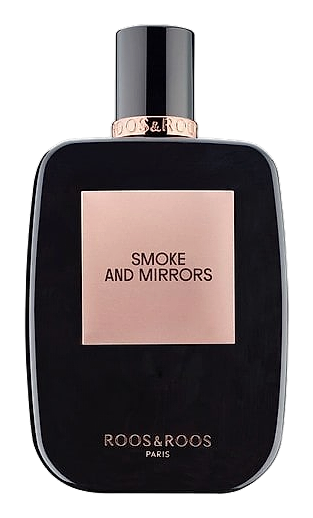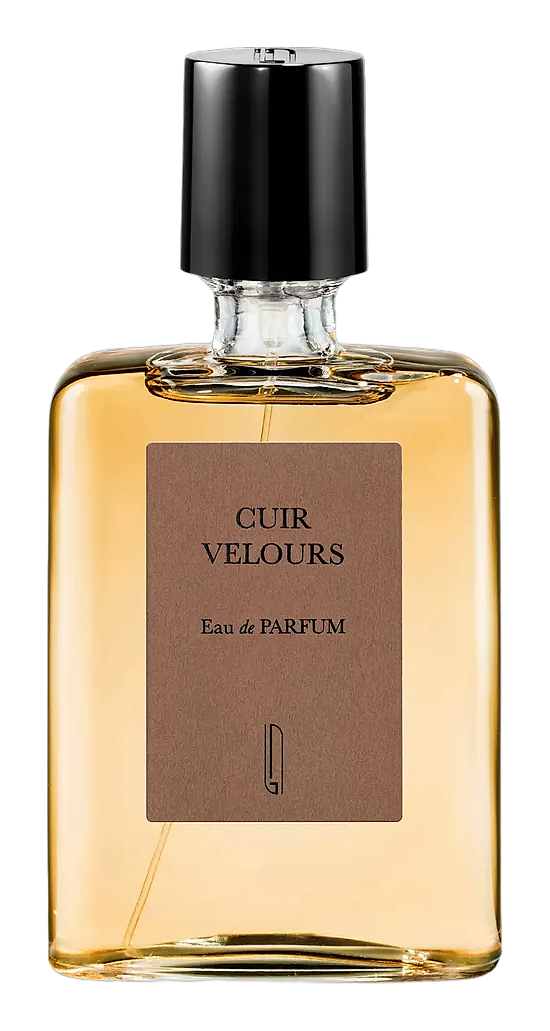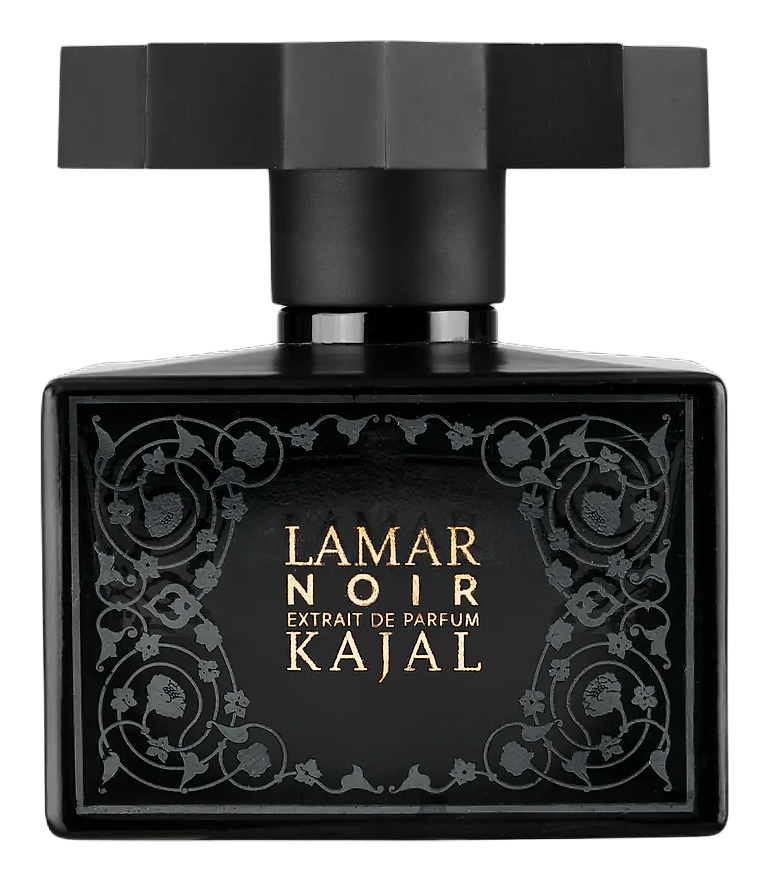
The Story
Why it exists.
The beginning
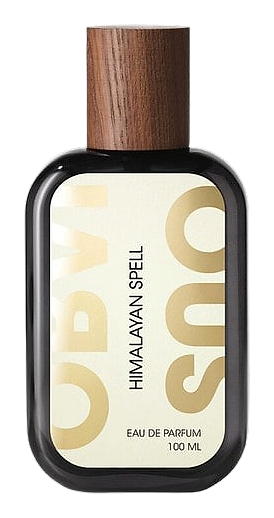
There is a tree that grows where most cannot. The Himalayan birch survives at altitudes where the air thins and temperatures plummet, its papery bark the only warmth for miles. Obvious named this fragrance for that tree, for the contradiction of something cold and sparse producing something warm and lasting. The High Standards collection, where this fragrance lives, takes its name seriously. Not complexity for its own sake, but clarity. Perfumer Julien Rasquinet built the composition around that contradiction: the cold of altitude translated into a top that bites, the warmth of shelter translated into a base that stays. He chose materials that carry weight: oud from Assam, suede that reads like skin, leather that carries memory. The goal was not just a fragrance that smelled of mountains, but one that made you feel what it costs to stand above the clouds.
The choice to center this on leather and oud rather than the birch itself is deliberate. Birch oil is rare, expensive, and in perfumery often a footnote rather than a feature. What the birch actually gives this fragrance is its character, something that survives where others cannot, that stays when everything else has retreated. The cypriol (also called nagarmotha) in the heart is a dark, aromatic material that carries the earthiness of high altitude: dry grass, mineral soil, the smell of wind over stone. Combined with cedar's dry elevation and jasmine's unexpected florality, the kind of bloom that shouldn't exist at that height but does, it creates a heart that is bitter, green, and quietly beautiful.
The evolution
The first twenty minutes are the test. Saffron arrives bright and almost medicinal, that blood-red thread running through the top of the pyramid, sharp enough to cut. Raspberry follows, sugared and fleeting, a sweetness that reads as accident rather than intention. Black pepper is the metallic pulse underneath, the part that makes the sinuses react. This is the cold of altitude, the part where your body reminds you that air has weight. Then something shifts. The cypriol's aromatic bitterness takes over, dry and earthy, like wind over high stone. Cedar adds its dry elevation, not warmth but height, the sensation of being above. Jasmine arrives unexpectedly, the floral note that has no business at this altitude but persists anyway. The heart is where the fragrance decides what it wants to be: not quite oriential, not quite woody, something in between that refuses easy categorization. The drydown is where it earns the name. Suede emerges first, warm and close, the sensation of something soft against skin as the body heats the fragrance.
Cultural impact
Himalayan Spell sits in the space between accessible and ambitious. The High Standards collection positions these fragrances as a curated alternative to the complexity arms race in niche perfumery, quality without the theater. The leather-saffron-oud combination is recognizable to enthusiasts but presented with a clarity that makes it approachable. For someone entering the world of richer orientals, this is a safe on-ramp. For someone already there, it is a question: do you want the complexity, or do you want the clarity? Some will find this a revelation. Others will find it familiar. Both responses tell you something about what you want from a fragrance.