Suede
The scent of intimacy and luxury. Suede captures the warm, soft embrace of worn leather, creating fragrances that feel like a second skin. Explore its place in modern perfumery.
Character
How it smells
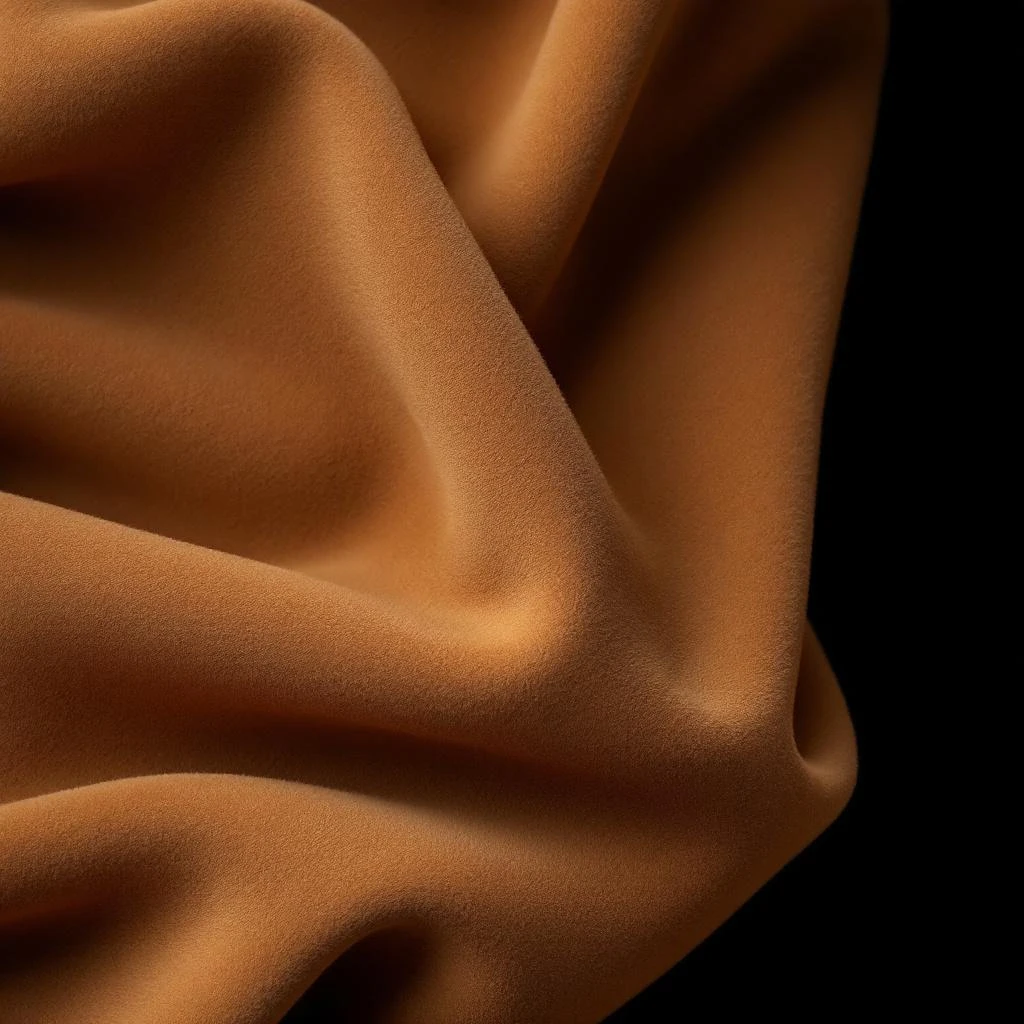
Softness you can smell.
The first synthetic suede notes appeared in perfumery during the 1950s and 1960s as industrial chemistry advanced.









Origin
France
Suede takes its name from the French 'peau de suède,' meaning 'Swedish skin,' reflecting its origins in 19th-century European leather craftsmanship. The soft, napped leather finish became synonymous with understated luxury.
When perfumers sought to bottle tactile elegance, suede offered a compelling aromatic vocabulary. The note captures something intimate and familiar, the quiet pleasure of well-worn leather against skin.
In contemporary perfumery, suede functions as a bridging material, softening woody compositions and adding tactile warmth to lighter florals. Its presence signals a fragrance designed to linger close, becoming part of the wearer's sensory identity.
Wears it best
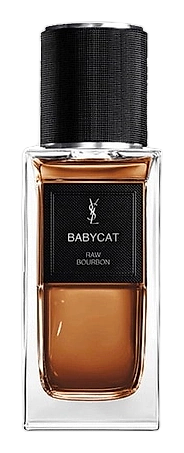
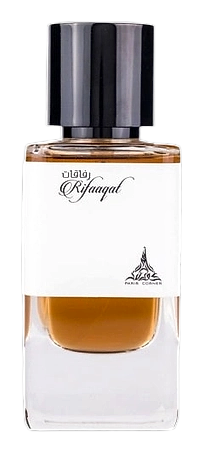
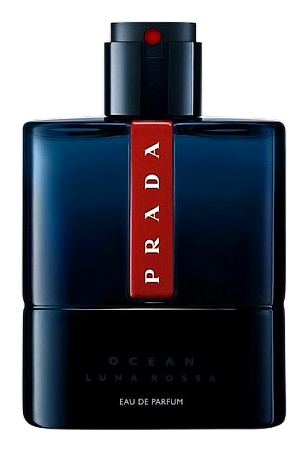
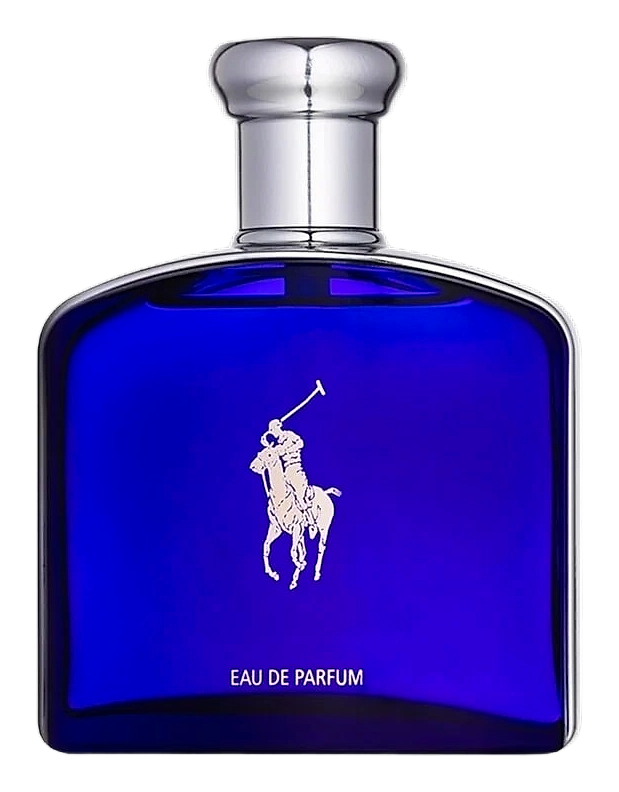
Fragrances featuring Suede

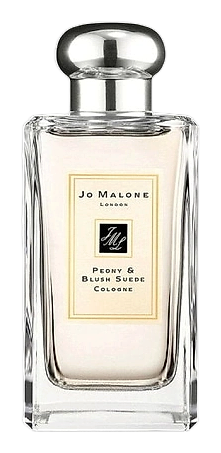
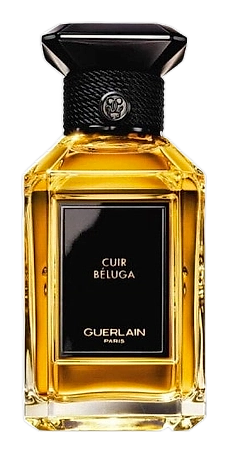

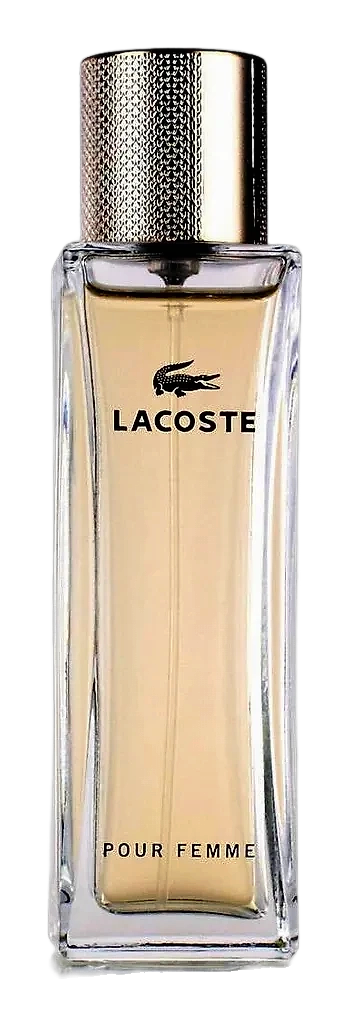

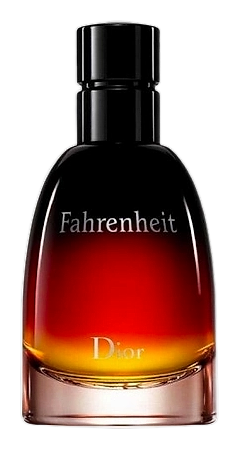
Brands
Brands known for Suede
Good to know
Questions, answered
The essentials on Suede in perfumery: how it smells, where it comes from, and how it behaves on skin.
What does suede smell like in perfume?
Suede smells warm, dry, and powdery, with a soft skin-like quality. It evokes worn leather, combining subtle sweetness with a clean, almost velvety dryness that feels intimate and comforting.
Is suede a natural or synthetic ingredient?
Suede exists in both forms. Natural suede absolute comes from processed leather but remains extremely rare. Most suede notes in modern perfumery are synthetic, carefully designed to capture the warm, soft character of real suede.
What fragrance families use suede notes?
Suede appears across woody, oriental, chypre, and leather fragrance families. It pairs naturally with sandalwood, amber, and musk, while contrasting beautifully with bright citrus and sharp spices.
Does suede smell like leather?
Suede shares leather's warmth but is softer and more powdery. Where leather can be bold and smoky, suede feels gentler and more skin-close, like the quiet comfort of well-worn gloves.
Is suede a base note in perfumery?
Yes, suede functions primarily as a base note. It provides warmth, depth, and a skin-like quality that grounds lighter top and heart notes, helping fragrances develop intimacy over time.
What does suede pair well with in perfume?
Suede harmonizes with other warm materials like sandalwood, amber, and vanilla. It also complements contrasting notes including rose, iris, and citrus, adding softness to brighter compositions.
Is suede more common in men's or women's fragrances?
Suede appears across all fragrance categories. While prominent in men's fragrances, it features equally in women's and unisex perfumes, valued for its versatility and universally appealing warmth.
How does suede evolve during wear time?
Suede emerges as a fragrance settles, becoming more intimate and skin-like. Initially subtle, it strengthens over several hours, creating a second-skin effect that feels personal rather than projecting outward.