Fresh Laundry
Fresh laundry captures that moment of pure satisfaction: clothes straight from the line, still warm, carrying the unmistakable scent of clean. This universally beloved fragrance accord evokes cleanliness, comfort, and carefree simplicity.

Character
How it smells
The universal language of clean.
During the Renaissance, French women who took in washing for hire were called 'lavenders,' giving us the English word for the herb itself.









Origin
France
The desire to smell clean runs deeper than modern convenience. Before soap became common, people used aromatic botanicals to mask body odor and preserve clothing.
During the Renaissance in France, laundresses—called 'lavenders' for their constant contact with the lavender plants used to scent linens—became so associated with the scent that the herb itself took their name. By the late 19th century, commercial soap production introduced consistent clean scents to everyday life.
The modern 'fresh laundry' accord emerged in the 1970s and 1980s, when synthetic aromatic compounds first allowed perfumers to recreate the specific sensation of clean fabric with scientific precision. Today, fresh laundry remains one of the most requested scent profiles in home and personal care products worldwide, spanning cultures and generations.
Wears it best
Fragrances featuring Fresh Laundry
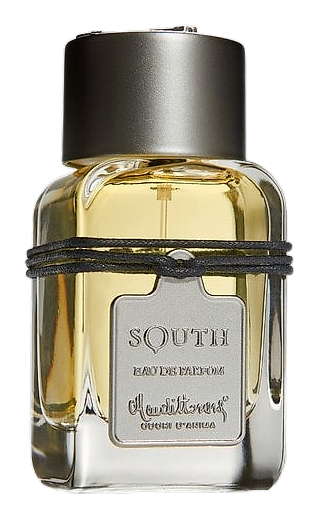
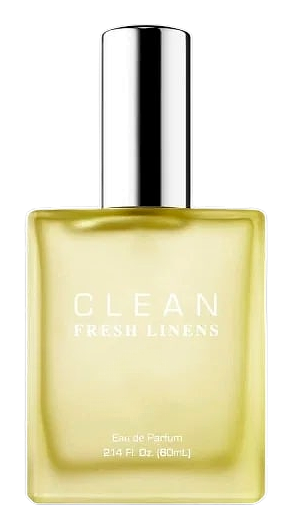
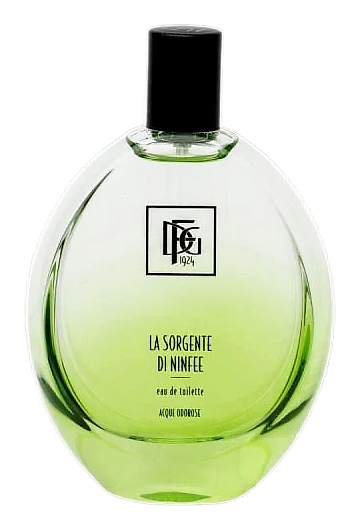
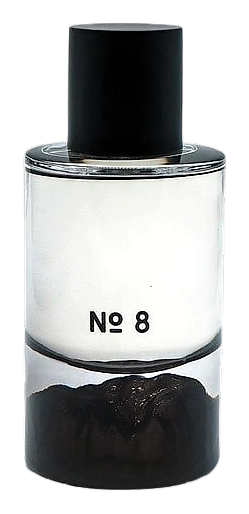
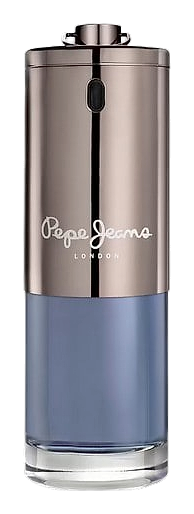
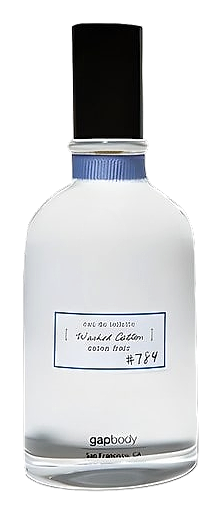
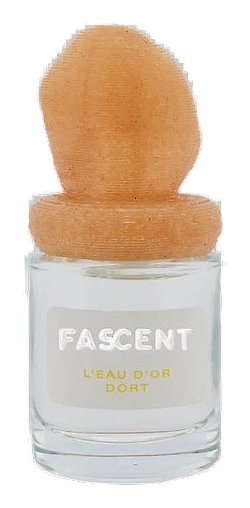
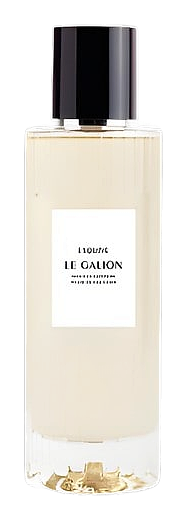
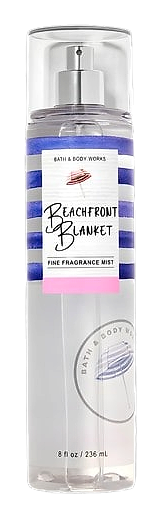
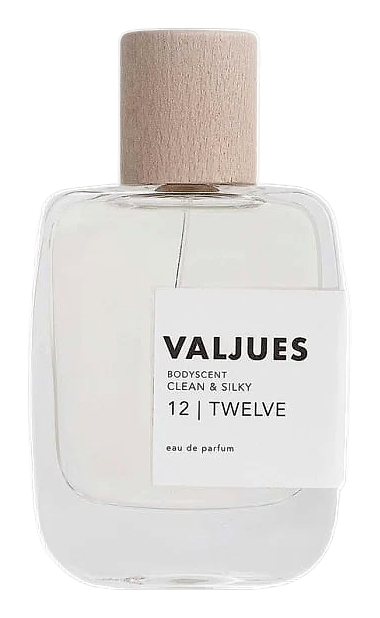
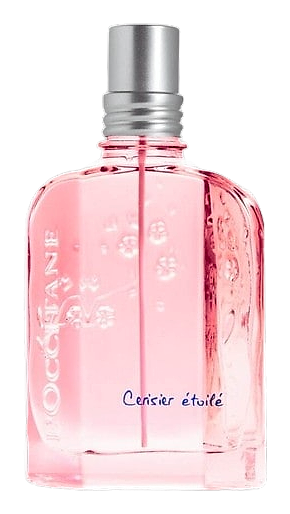
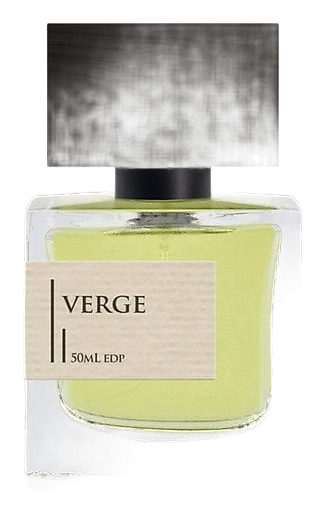
Brands
Brands known for Fresh Laundry
Good to know
Questions, answered
The essentials on Fresh Laundry in perfumery: how it smells, where it comes from, and how it behaves on skin.
What makes fresh laundry smell so recognizable?
Fresh laundry accords combine ozonic top notes with soft musks and subtle soap-like qualities. Key materials like Calone create that crisp, just-washed opening, while synthetic musks such as Galaxolide provide the comforting dry-down that mimics fabric softness.
Is fresh laundry a natural or synthetic scent?
Modern fresh laundry accords are typically hybrid constructs. Perfumers combine naturally derived ingredients like lavender oil and citrus with synthetic compounds designed specifically to recreate clean fabric aromas that occur rarely in nature.
Why does fresh laundry smell appeal to so many people?
The scent triggers a primal association between cleanliness and safety. Research in environmental psychology suggests humans link clean fabric smells with reduced contamination risk and social acceptance.
What notes appear in fresh laundry fragrances?
Typical components include ozonic materials for airy brightness, soap-like aldehydes for crispness, soft musks for fabric warmth, and green notes like coumarin or lavender to ground the composition with natural authenticity.
How did clean scents evolve in perfumery?
Clean scents became achievable in perfumery after the late 19th century with commercial synthesis of aroma compounds. Before then, creating consistent clean-smelling fragrances required access to expensive natural materials.
Can fresh laundry be achieved naturally?
Natural materials like lavender, coumarin-rich tonka bean, and certain citrus oils contribute clean qualities, but they cannot fully replicate the precise fresh laundry effect achieved through modern synthetic-nature combinations.
Where does the lavender-laundry connection come from?
During the French Renaissance, women who washed clothes for a living were called 'lavenders' because they worked among lavender fields to scent linens. The herb eventually took its name from these workers.
What fragrances feature prominent fresh laundry accords?
Many modern fragrances incorporate clean laundry elements. The style spans from aquatic fragrances using ozonic compounds to powdery compositions built on musks, all aiming to capture different aspects of freshly cleaned fabric.