Suederal
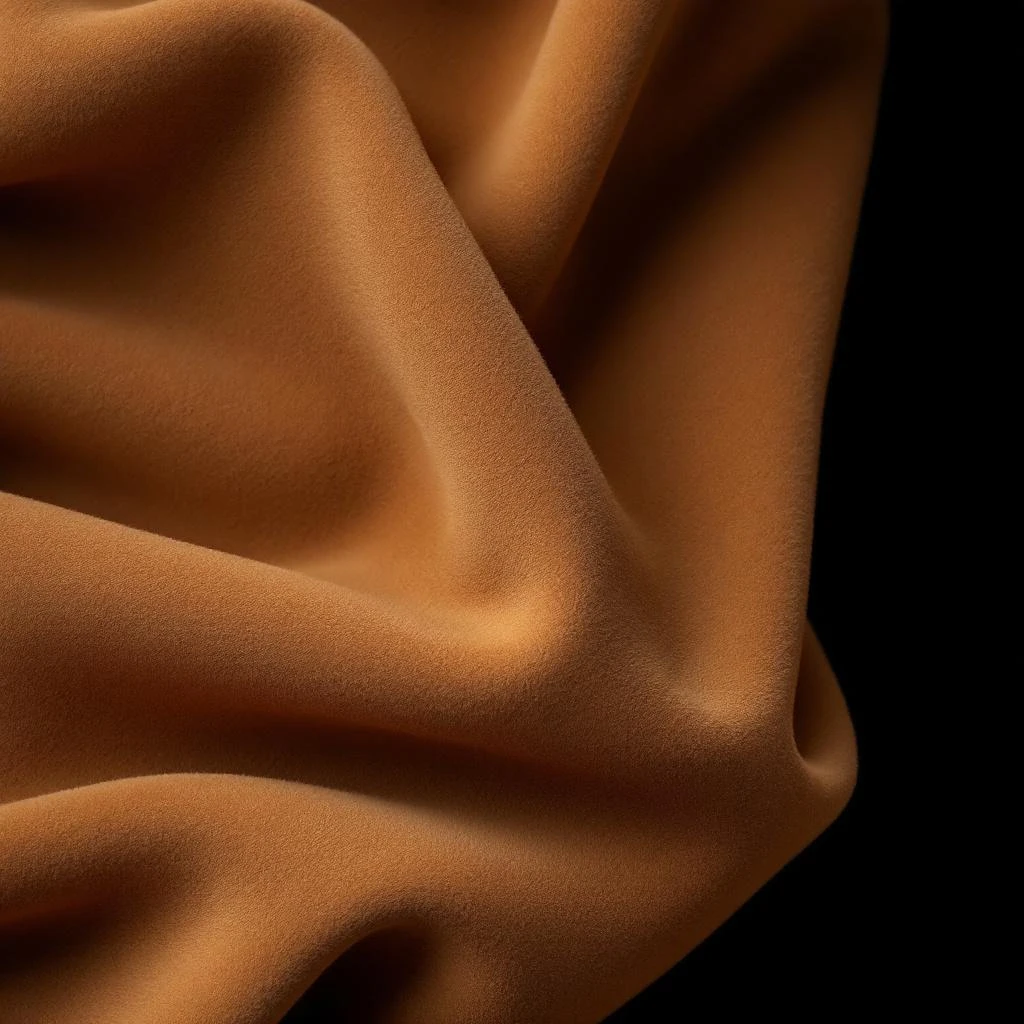
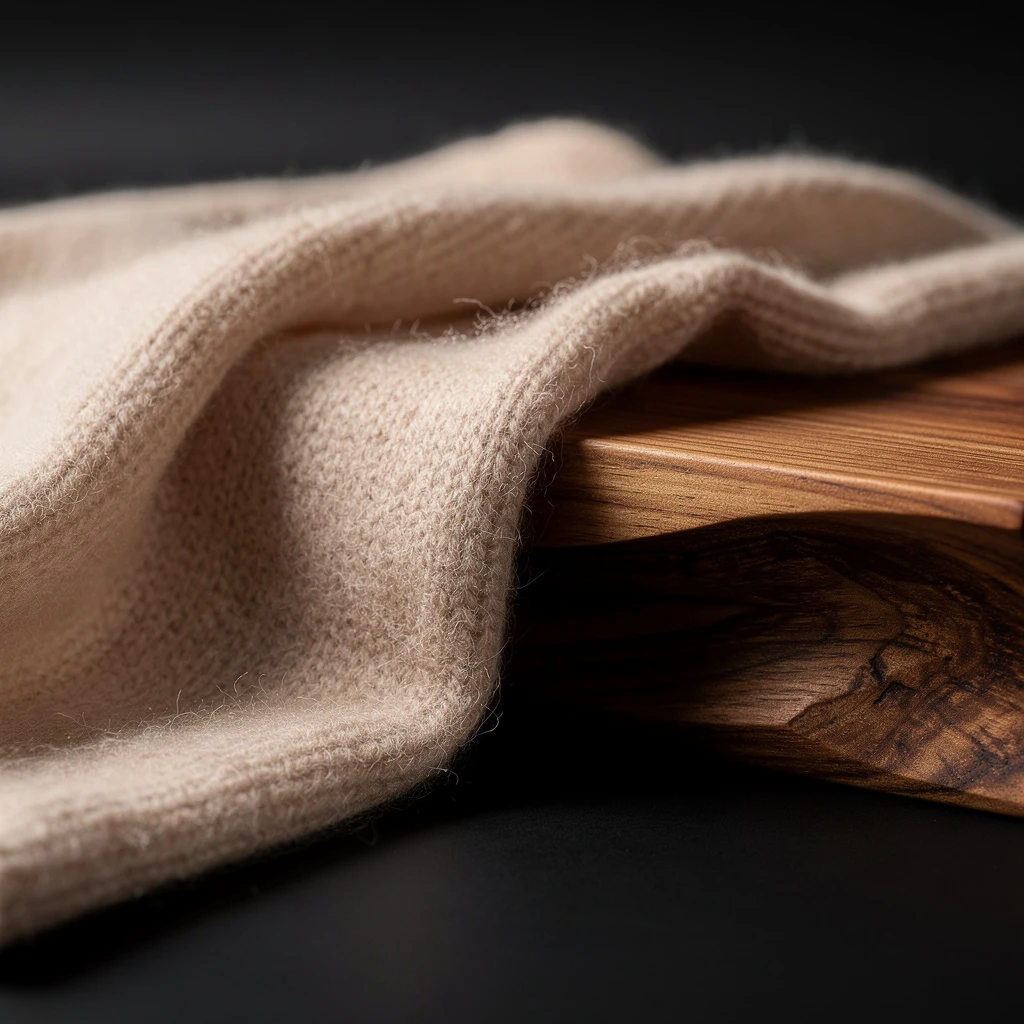
Suederal is a synthetic aroma chemical that replicates the soft, warm, brushed texture of natural suede. It delivers velvety, powdery warmth with subtle animalic undertones, making it a cornerstone of modern leather accord creation.

Character
How it smells
The soft touch of suede, captured in a molecule
Suederal was developed because natural suede materials proved too inconsistent for modern fragrance production. Perfumers needed a reliable way to capture that characteristic warm, brushed-leather quality.




Origin
Global (manufactured in fragrance industry centers)
While leather has been treated with scented botanicals since ancient times, capturing the specific smell of suede proved elusive for centuries. Traditional leather materials like castoreum, birch tar, and cade oil offered raw, smoky, or animalic leather qualities, but the soft, warm, almost powdery character of suede resisted reliable reproduction. The development of Suederal in the modern era marked a breakthrough in synthetic perfumery, allowing fragrance houses to construct suede-like effects without depending on natural materials of variable quality.
Its introduction expanded the vocabulary of leather notes available to perfumers, enabling the creation of softer, more nuanced leather compositions that read as elegant rather than raw or industrial. Today, Suederal appears in countless fragrances across all price segments, testament to its versatility and reliability as a fragrance ingredient.
Wears it best
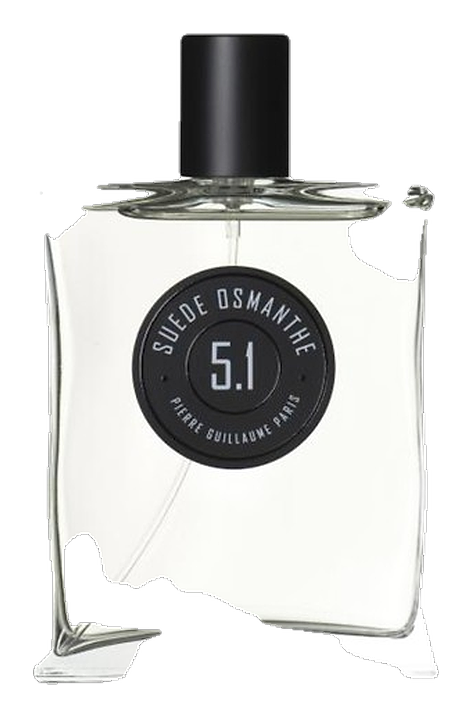
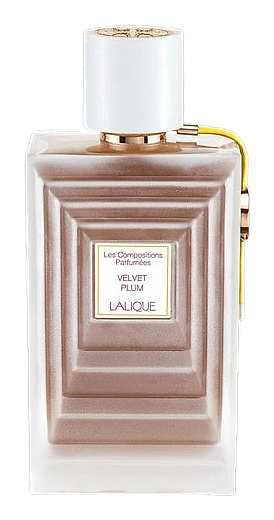
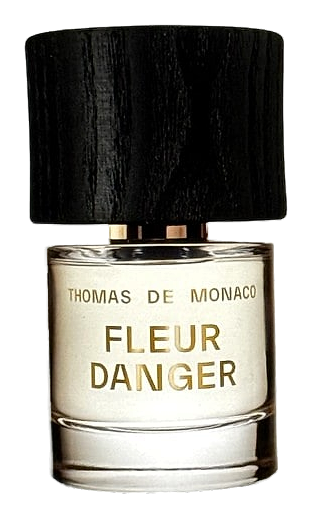
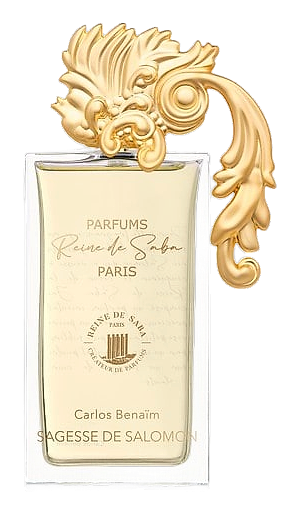
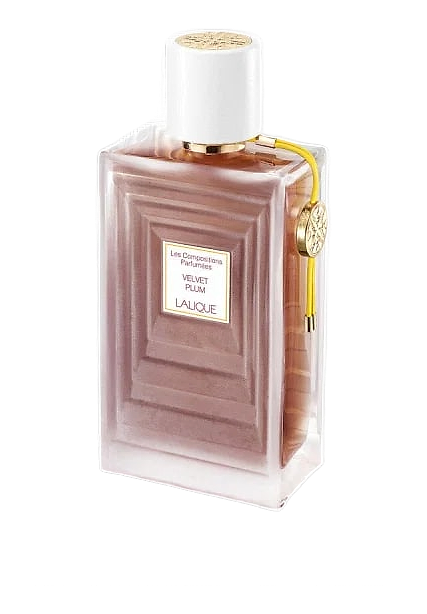
Fragrances featuring Suederal


Brands
Brands known for Suederal
Good to know
Questions, answered
The essentials on Suederal in perfumery: how it smells, where it comes from, and how it behaves on skin.
What does Suederal smell like?
Suederal delivers a warm, soft, velvety scent reminiscent of brushed suede leather. It features powdery warmth, subtle sweet undertones, and gentle animalic nuances that evoke the tactile quality of fine suede rather than raw hide.
Is Suederal a natural or synthetic ingredient?
Suederal is a fully synthetic aroma chemical produced through controlled chemical synthesis. Its molecular structure was designed specifically to replicate the olfactory characteristics of suede, making it more consistent than any natural leather material.
Which fragrance families use Suederal most often?
Suederal appears primarily in leather, chypre, and oriental fragrance families. Perfumers use it to anchor leather heart notes, add warmth to woody bases, and provide soft, approachable leather character in modern compositions.
How does Suederal differ from natural leather materials?
Natural leather materials like birch tar or castoreum deliver raw, smoky, or strongly animalic leather effects. Suederal captures only the soft, warm, brushed quality of suede, offering a gentler leather expression that works better in refined, elegant fragrances.
What concentration is Suederal typically used at?
Suederal is used at low concentrations, typically between 0.5% and 5% in fragrance concentrates. Its potency means even small amounts effectively convey suede character without dominating the overall composition.
What ingredients pair well with Suederal?
Suederal pairs naturally with woody materials like sandalwood and cedar, warm ambers, musks, and other leather materials such asIso E Super. These combinations enhance its velvety quality and create complex, multi-layered leather effects.
When was Suederal introduced to perfumery?
Suederal emerged as part of the broader expansion of synthetic aroma chemicals in the mid-20th century. Its development reflected perfumers' growing ability to isolate and replicate specific sensory qualities of natural materials.
Can Suederal trigger allergic reactions?
Like many synthetic aroma chemicals, Suederal requires proper disclosure under IFRA regulations. Perfumers must follow concentration guidelines and provide allergen information when required, ensuring safe use in consumer products.