Wool
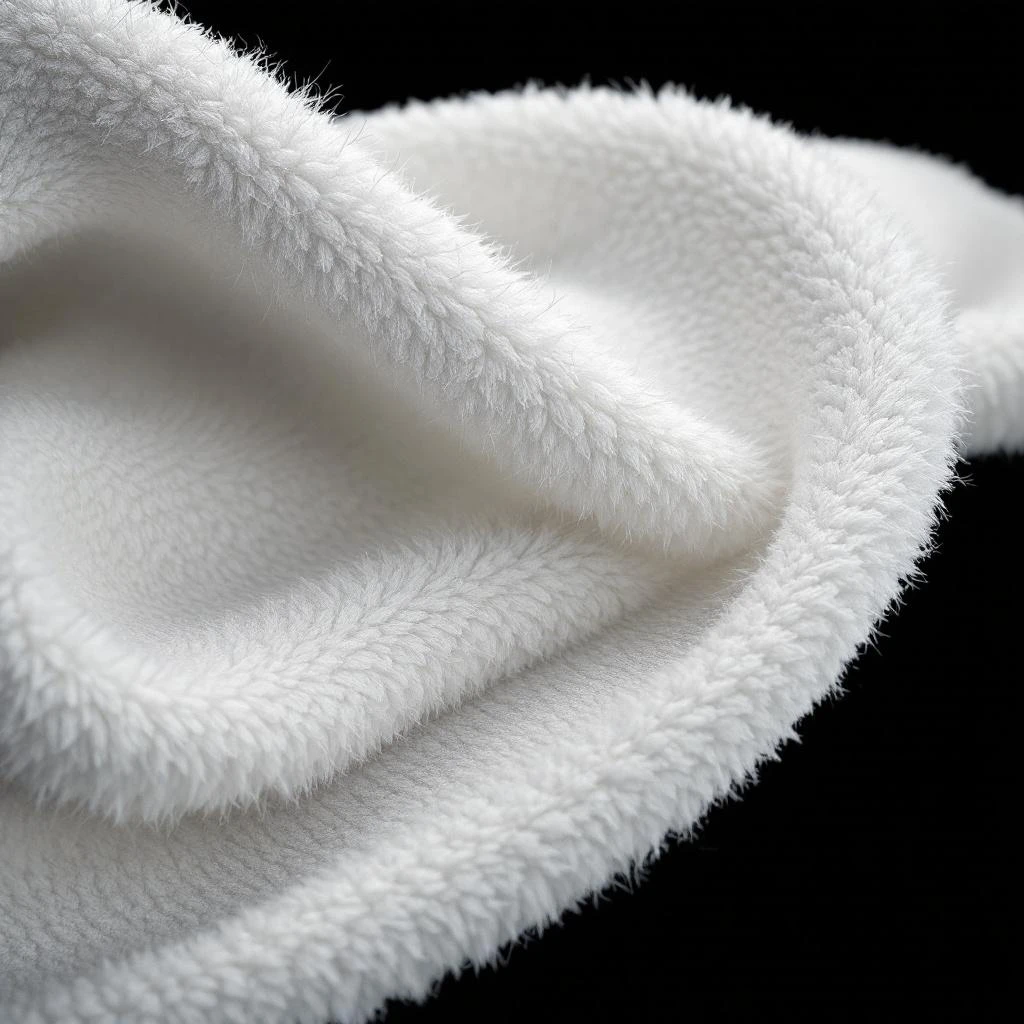
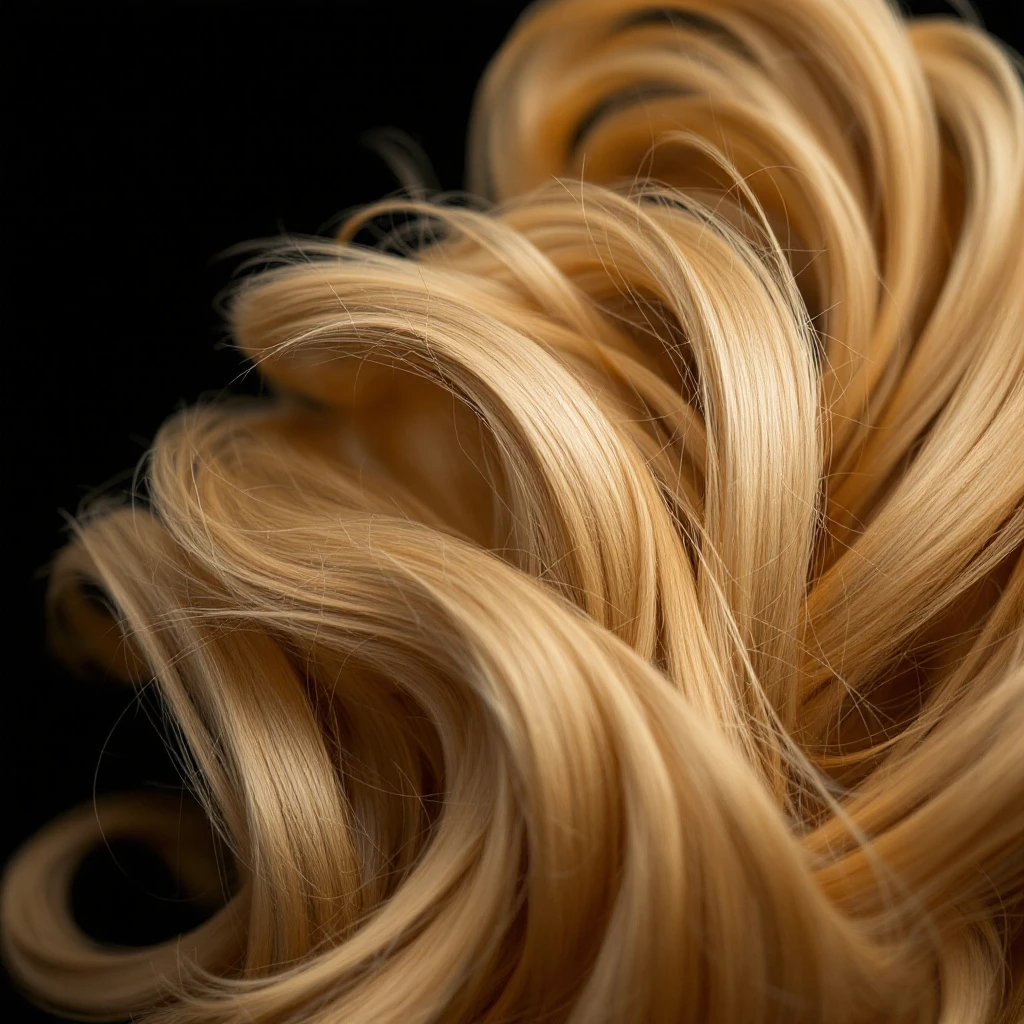
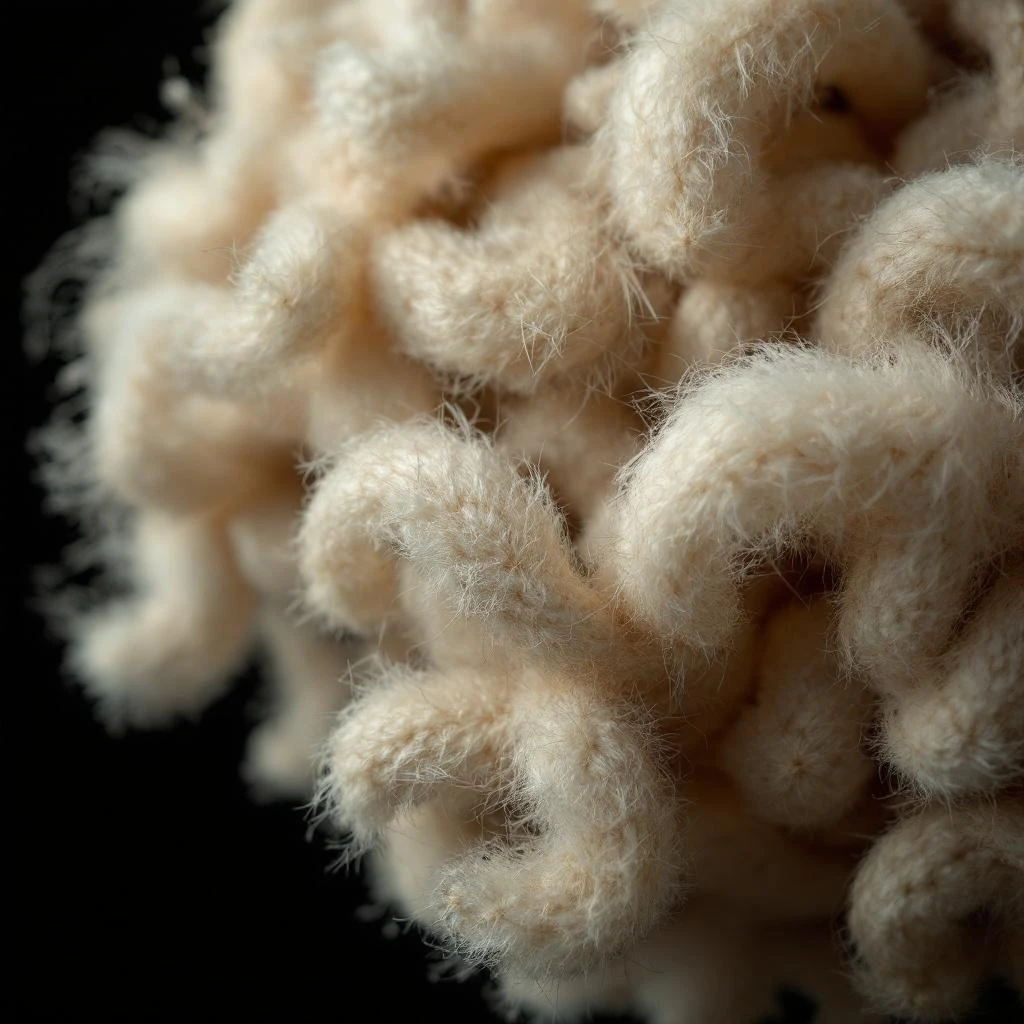
Wool adds a clean, slightly sweet animalic nuance that evokes fresh laundry and warm fleece, delivering comforting depth and subtle texture to modern fragrance compositions.
Character
How it smells
Warm animalic comfort in a single note.
The scent of wool originates from lanolin, a waxy secretion in sheep’s fleece; perfumers isolate it by solvent‑washing raw wool, turning a textile by‑product into a subtle fragrance fixative.







Origin
Australia
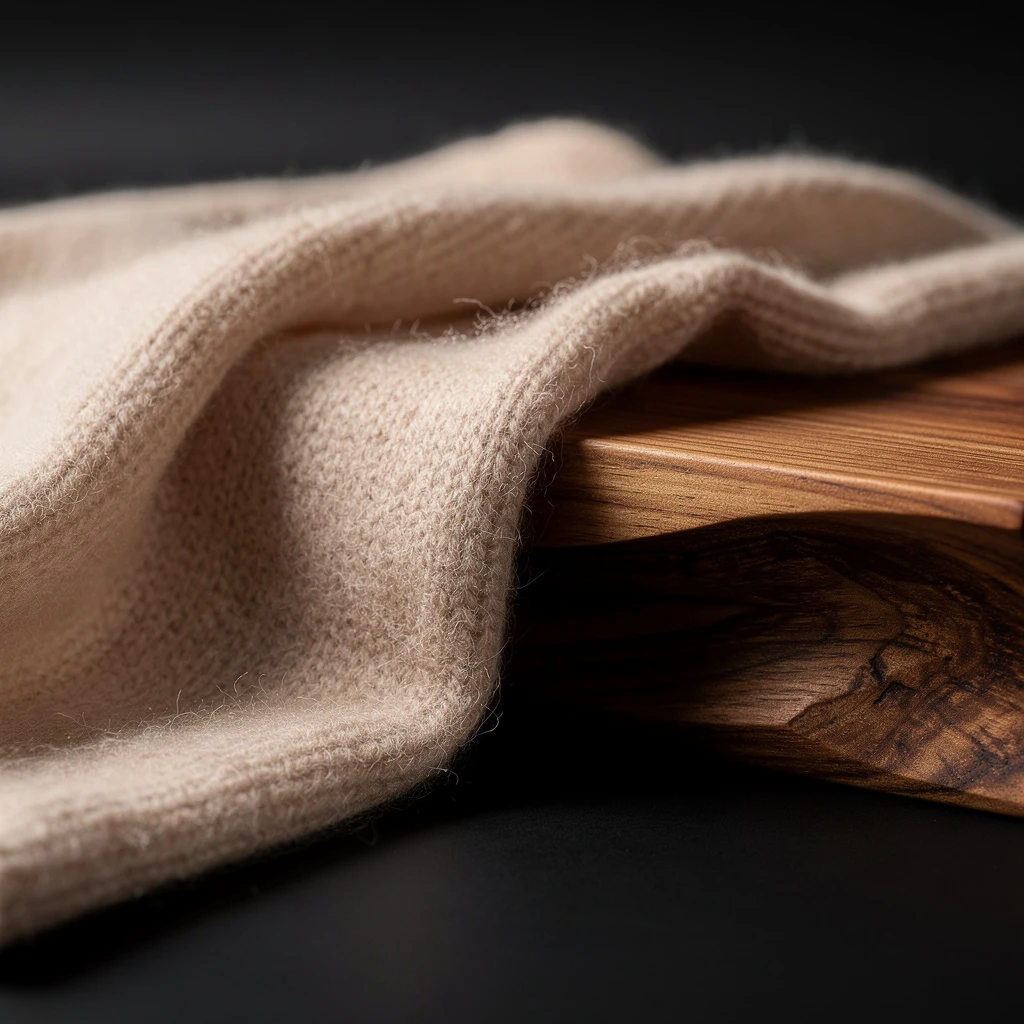
Wool has accompanied human scent practices since the dawn of textile culture. Early Egyptian artisans mixed lanolin‑rich wool fat with fragrant oils to create scented balms for temple rites.
Archaeological residues from 3,500 BC tombs reveal wool‑infused incense sticks that burned with a warm, animalic plume. In medieval Europe, wool‑based pomades softened leather armor while imparting a faint aromatic veil that masked unpleasant odors.
The rise of modern perfumery in the 19th century introduced wool as a fixative; chemists isolated lanolin’s aromatic fraction and named it wool absolute. By the 1960s, avant‑garde perfumers incorporated the note to evoke clean laundry and pastoral comfort, a trend that persists in contemporary niche fragrances seeking natural warmth.
Wears it best
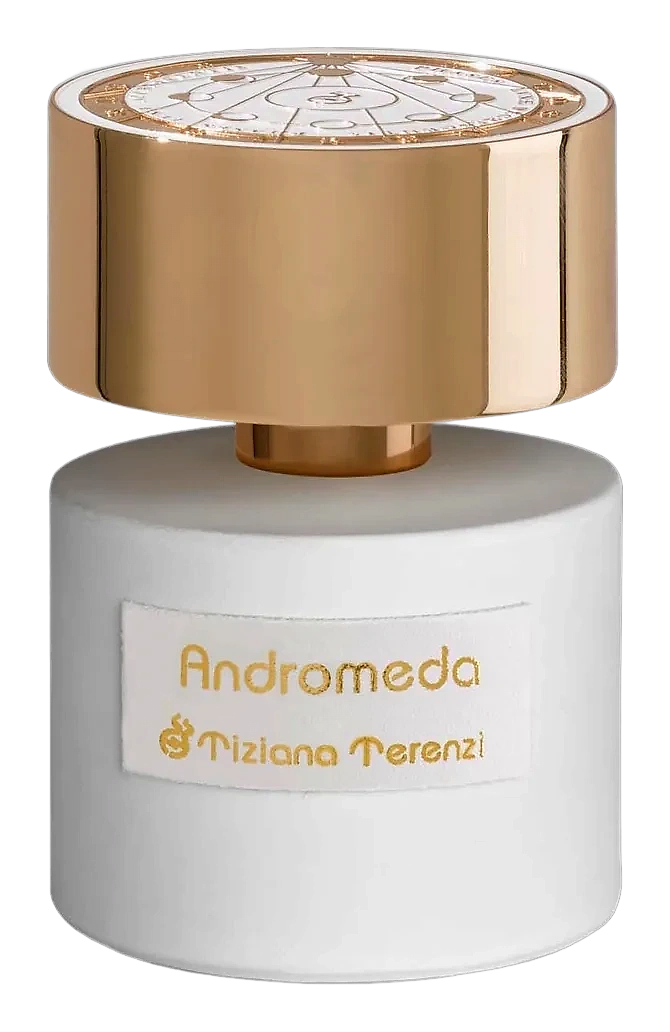
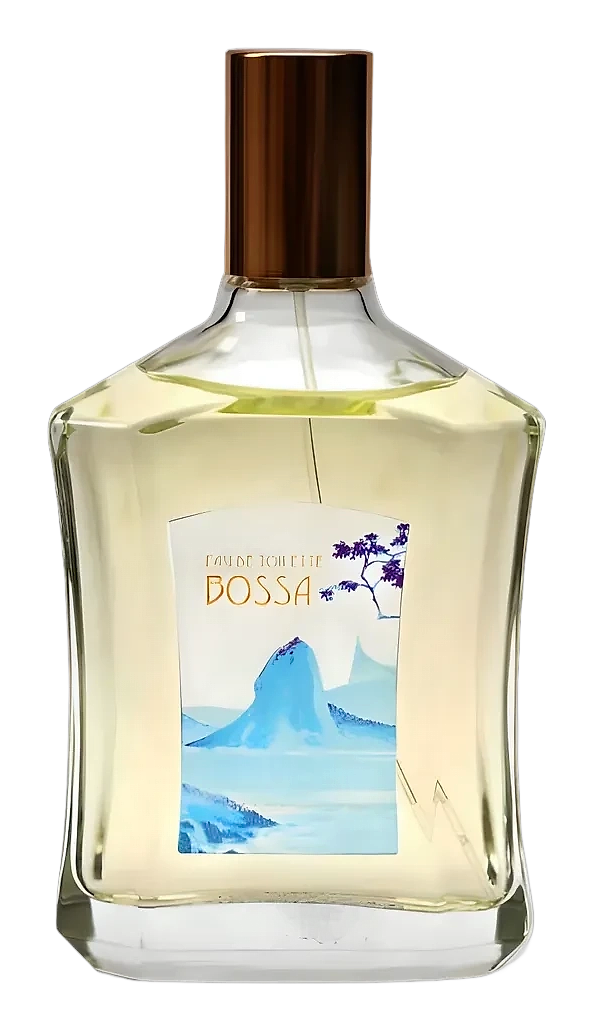
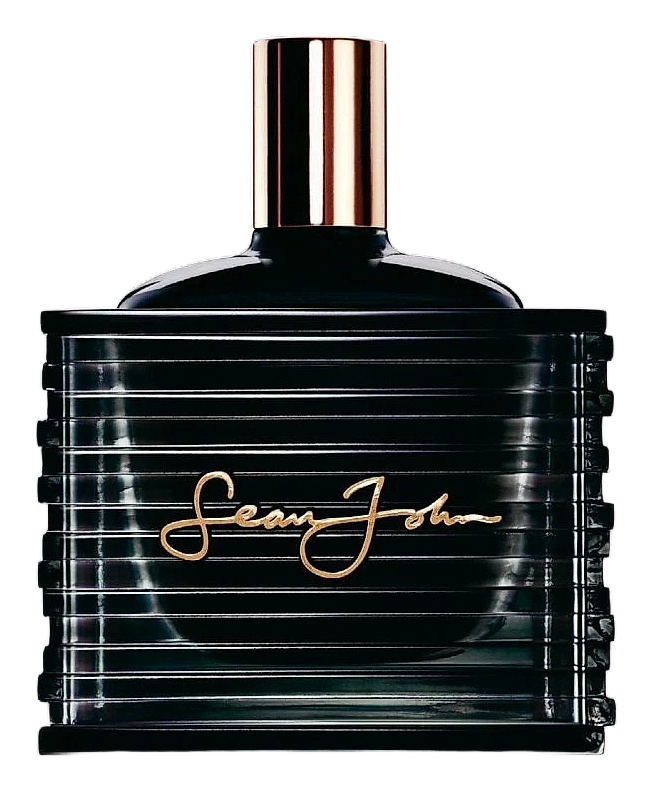
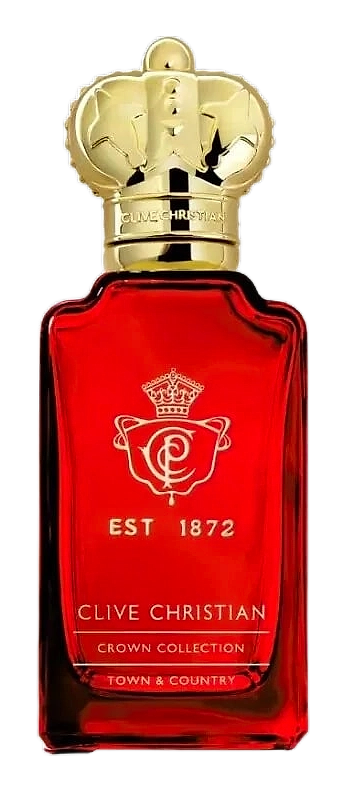
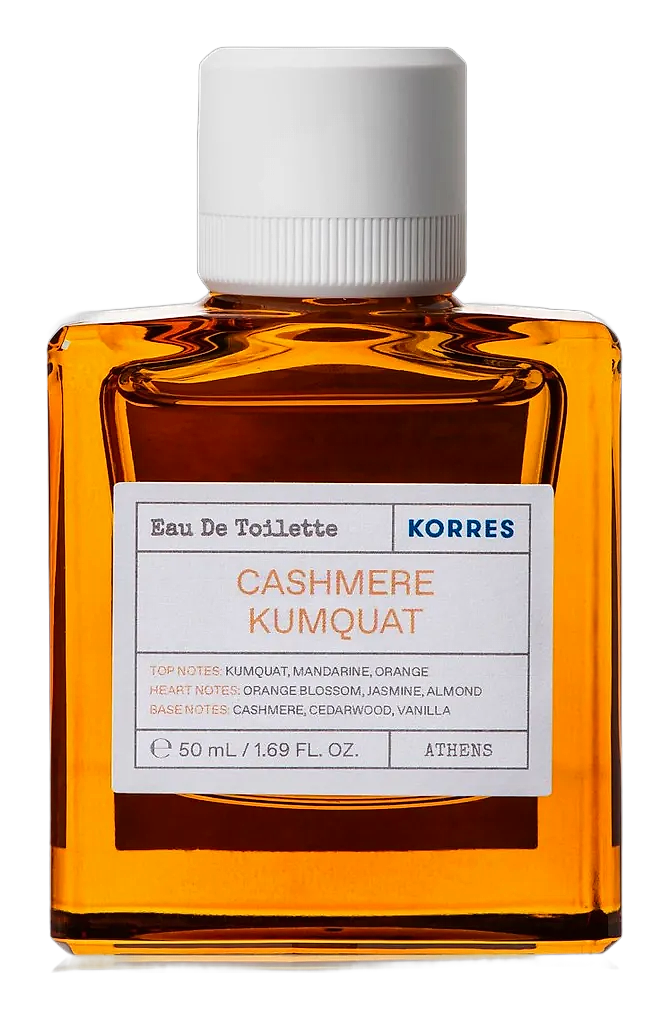
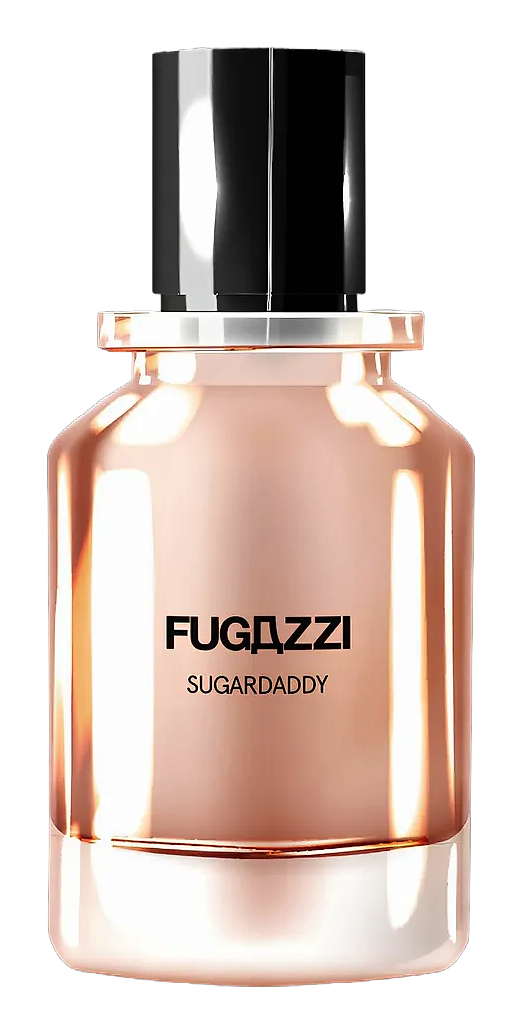
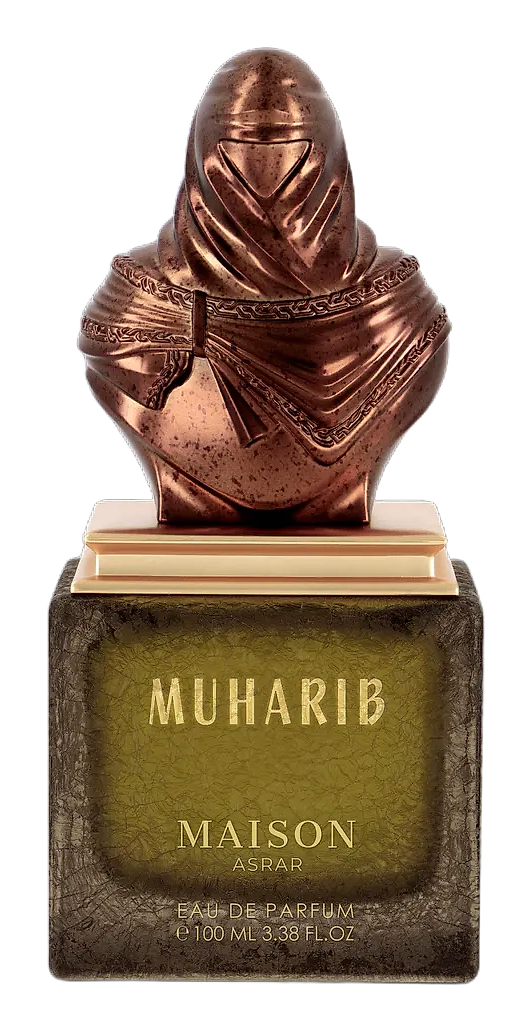
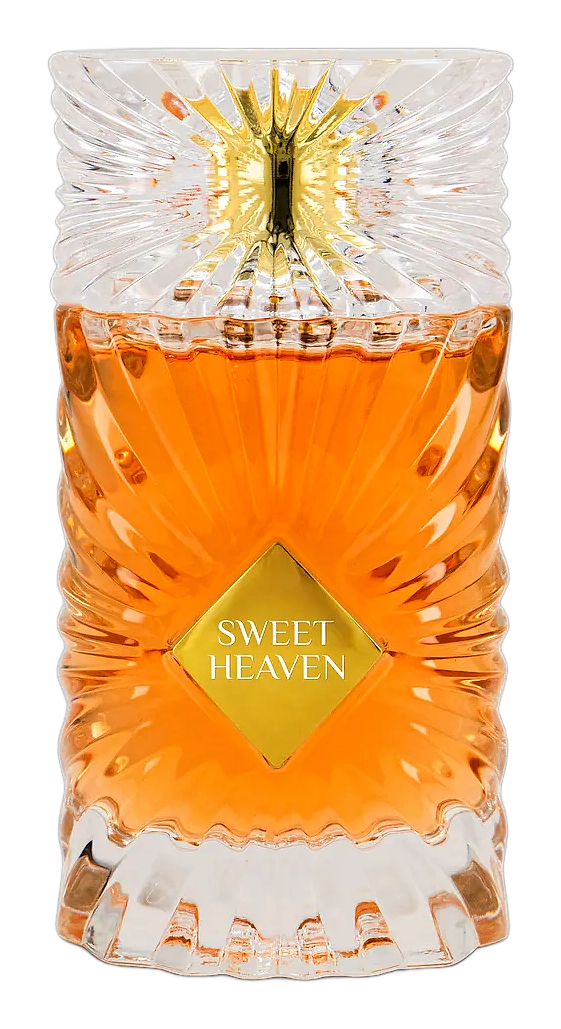
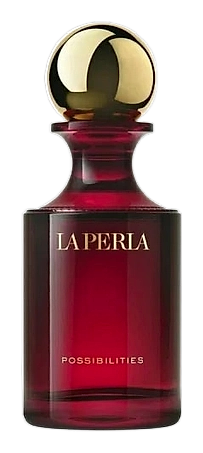
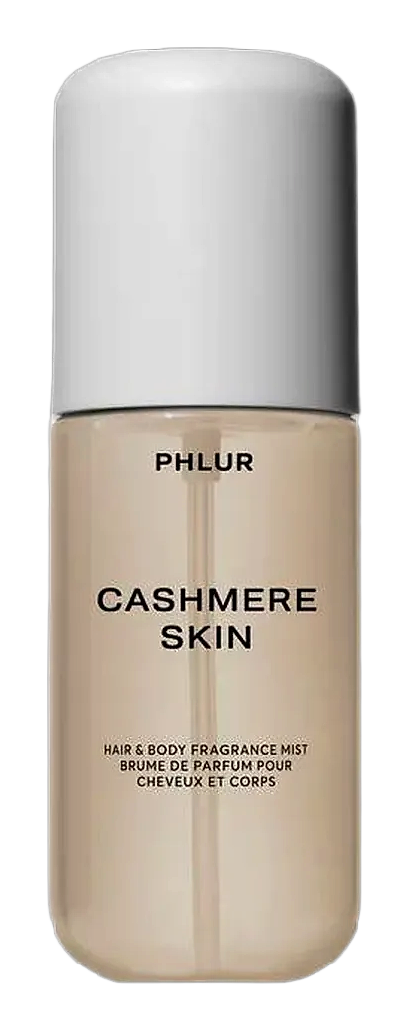
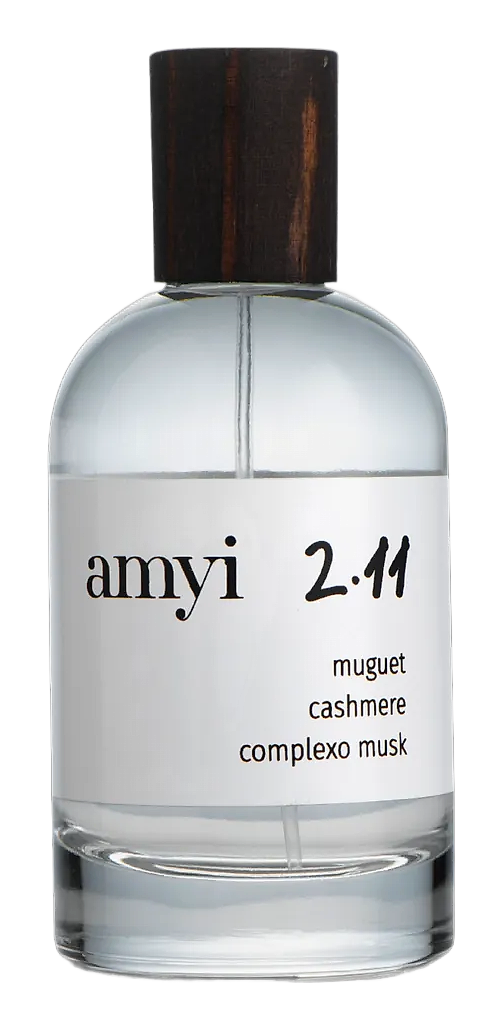
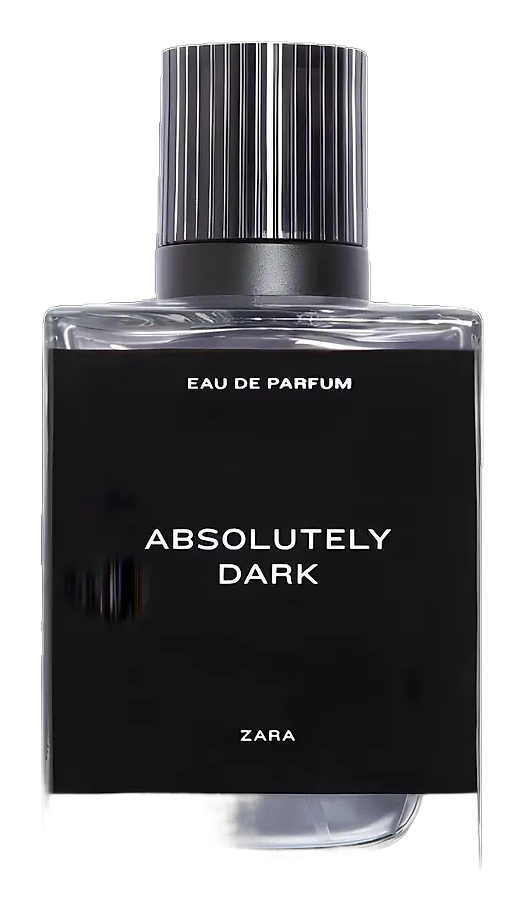
Fragrances featuring Wool
Brands
Brands known for Wool
Good to know
Questions, answered
The essentials on Wool in perfumery: how it smells, where it comes from, and how it behaves on skin.
What does the wool note smell like?
Wool smells like clean, slightly sweet fleece with a soft animalic edge. It recalls freshly laundered garments and warm pasture, delivering a comforting texture to a fragrance. A 2020 sensory panel rated the note 7.2 / 10 for warmth on a standardized scale.
Is wool a natural or synthetic fragrance ingredient?
Wool originates from a natural animal source; the aromatic material derives from lanolin extracted from sheep fleece. Perfume houses process the raw wool to isolate the scent, avoiding synthetic replication. In 2021, the International Fragrance Association recorded 1.8 million kilograms of wool absolute produced worldwide.
How stable is the wool accord in perfume?
Wool offers moderate stability, extending a blend’s longevity without overwhelming volatility. Its waxy base slows evaporation of lighter top notes. Laboratory testing in 2019 showed wool absolute retained 68 % of its initial intensity after 48 hours in an ethanol solution.
Does wool cause allergic reactions?
Wool can trigger skin sensitivity in a small percentage of users, especially those allergic to lanolin. Patch‑test data from a 2022 dermatology survey reported a 2.3 % incidence of mild irritation among participants exposed to wool absolute. Formulators often dilute the note to mitigate risk.
Can wool be used as a fixative?
Wool acts as a natural fixative, anchoring volatile compounds and smoothing a perfume’s evaporation curve. Its high molecular weight slows diffusion of lighter aromatics. A 2018 comparative study measured a 15 % increase in overall scent longevity when wool absolute replaced synthetic musk in a test blend.
How is wool extracted for perfumery?
Wool extraction begins with scouring raw fleece, then soaking it in ethanol to dissolve lanolin. The solution passes through filtration, and the solvent evaporates, leaving wool absolute. The process yields roughly 0.5 kg of absolute per 100 kg of raw wool, according to a 2020 industry report.
Which perfume families commonly feature wool?
Wool appears most often in warm, oriental, and woody families, where its animalic nuance reinforces depth. Niche houses also use it in clean‑fresh compositions to suggest laundry notes. Market analysis in 2021 listed wool as a top ten ingredient in 12 % of new oriental releases.
Is wool sustainable for fragrance production?
Wool can be sourced sustainably when derived from responsibly managed flocks that prioritize animal welfare. The industry recycles scouring by‑products into cosmetics, reducing waste. A 2019 lifecycle assessment reported a carbon footprint of 3.2 kg CO₂ eq per kilogram of wool absolute, lower than many synthetic fixatives.