Cotton
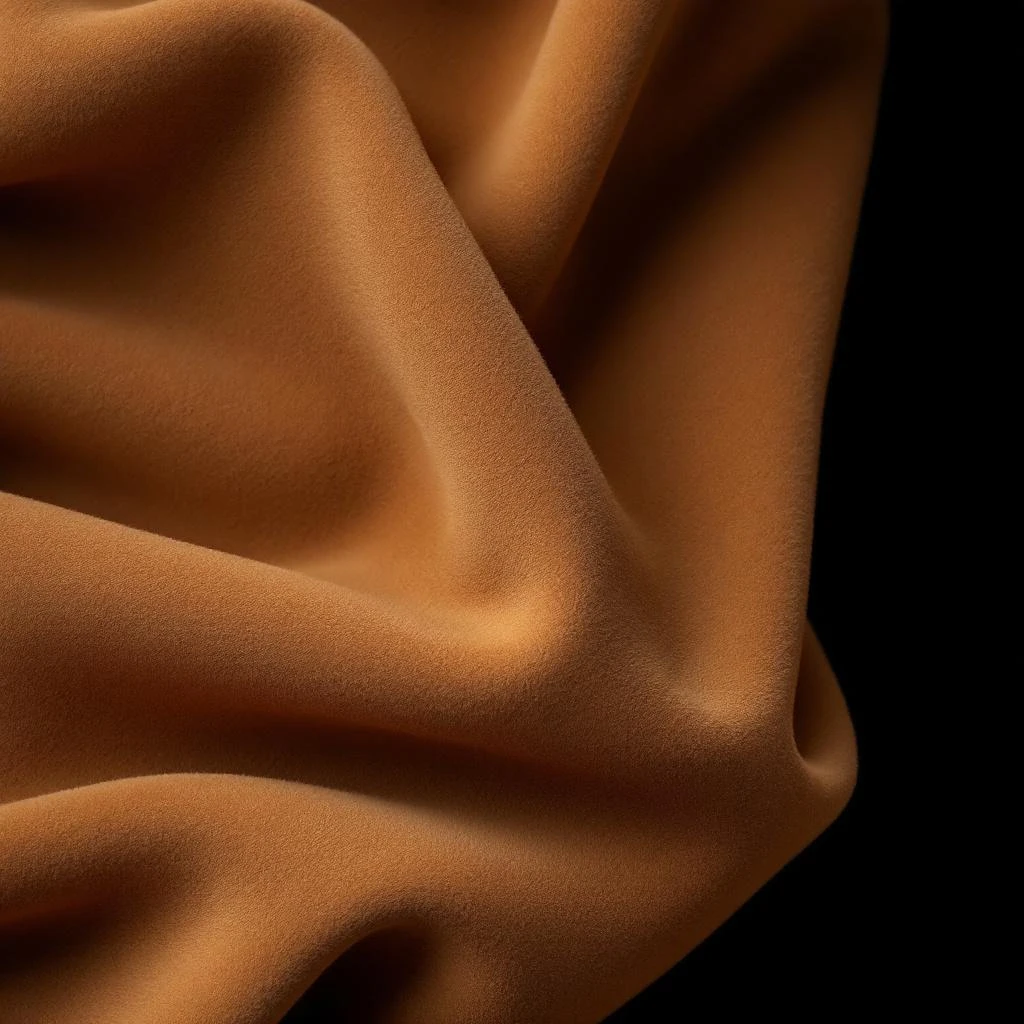
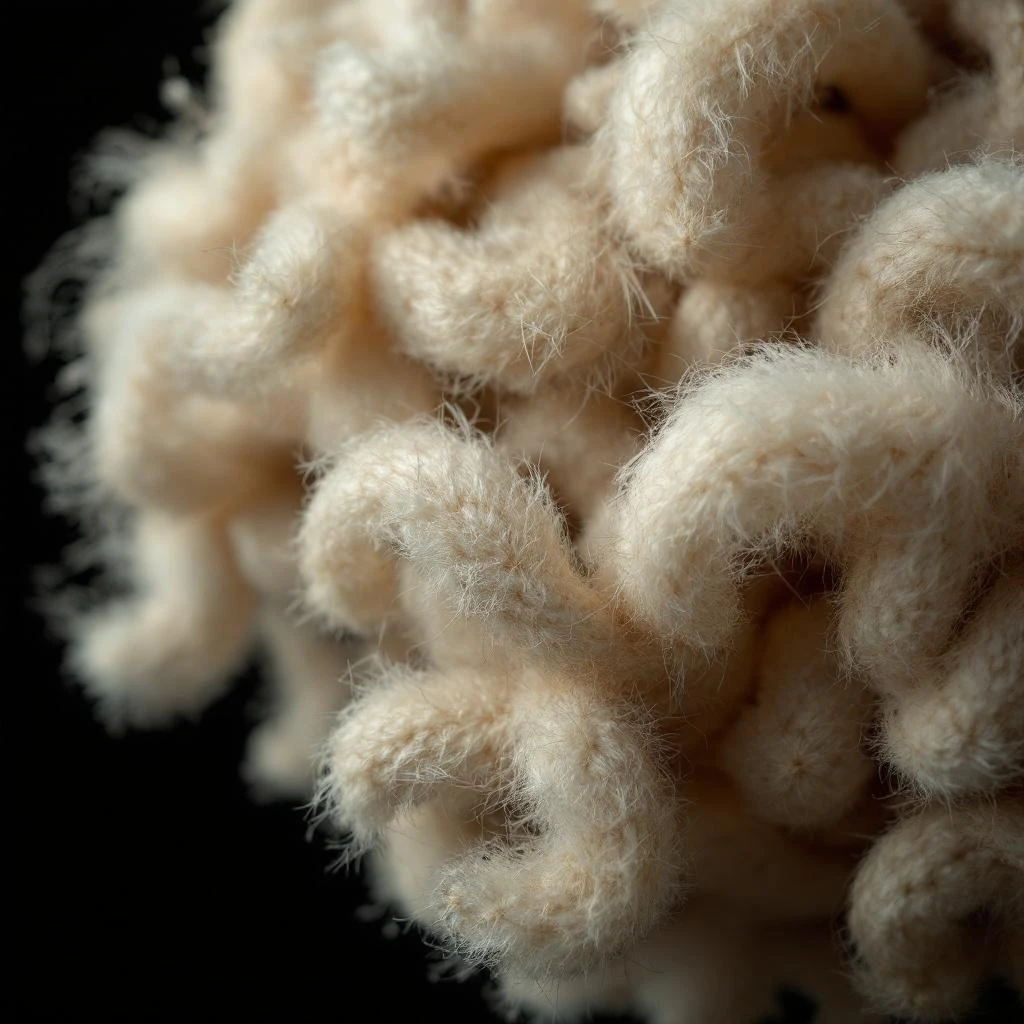
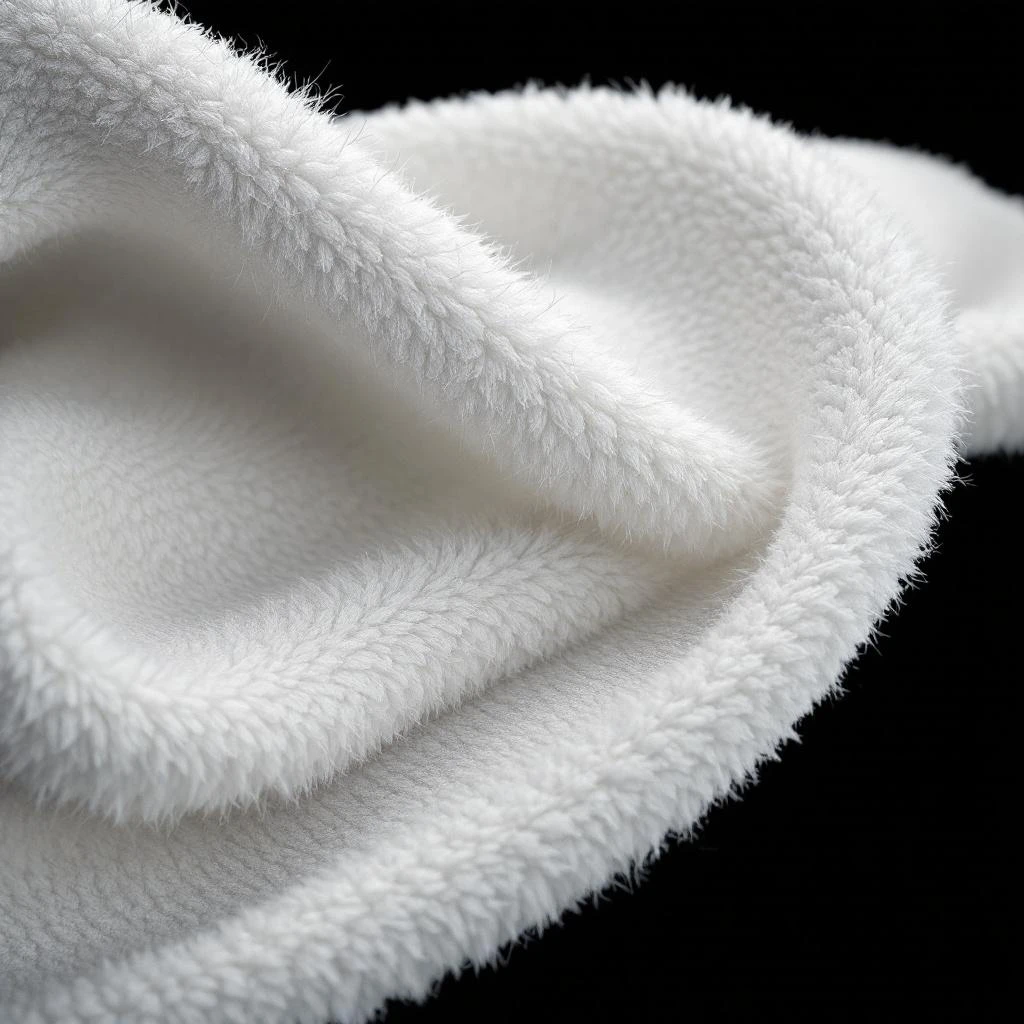
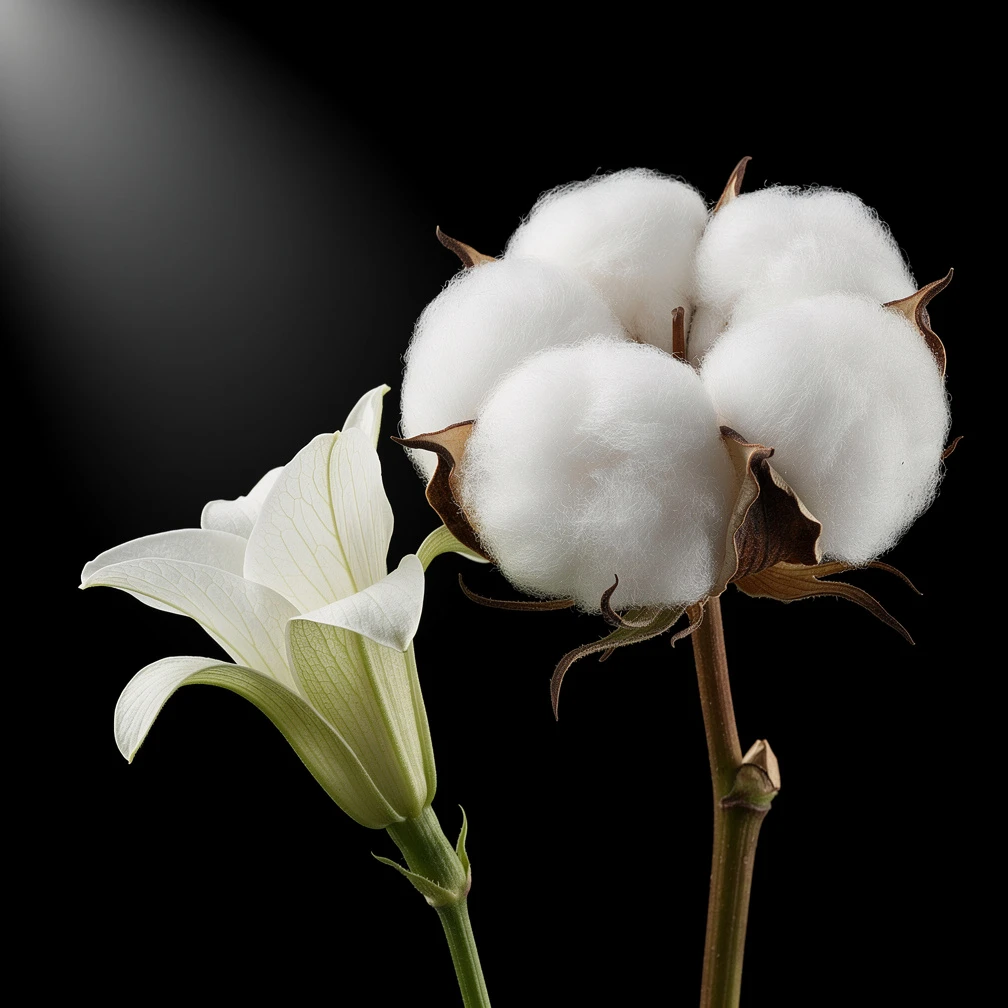
Cotton in perfumery is a quiet note, the olfactory equivalent of clean air. Synthetic cotton accords capture the soft, sun-warmed scent of fresh fibers, adding an airy, comforting facet to fragrances.
Character
How it smells
Sun-warmed softness bottled.
Cotton is not extracted; perfumers create a synthetic cotton accord using aldehydes and musks that mimic the scent of freshly laundered fabric.







Origin
India
The cotton plant, Gossypium, has been cultivated for over 7,000 years, with the earliest evidence from the Indus River Valley dating to around 5000 BCE. Ancient civilizations in Egypt, Peru, and the Indus Valley grew cotton for textiles long before it inspired perfumers. Egyptians used cotton cloth for clothing and burial shrouds by 3000 BCE, and the fiber's association with purity and cleanliness became embedded in many cultures.
The scent of cotton as a fragrance concept emerged much later. As laundry detergents and fabric softeners grew into a massive consumer market in the 20th century, perfumers began translating that clean-fabric impression into fine fragrance. The cotton accord gained particular popularity in the 1990s and 2000s, when 'clean' and 'fresh' became dominant olfactory trends.
Companies like Procter & Gamble even patented laundry musk combinations that perfumers adapted for personal fragrances, blurring the line between functional and luxury scent design.
Wears it best
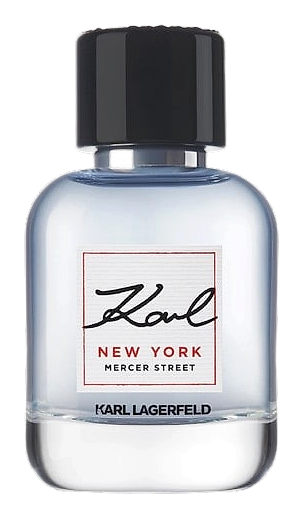
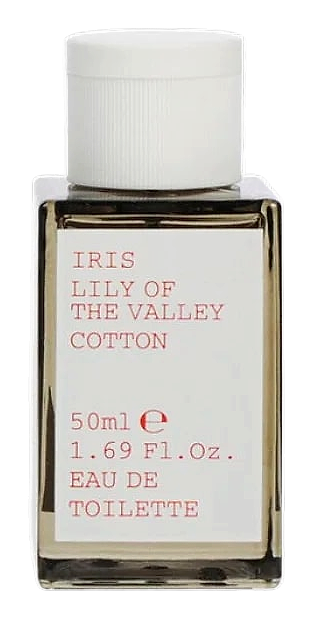
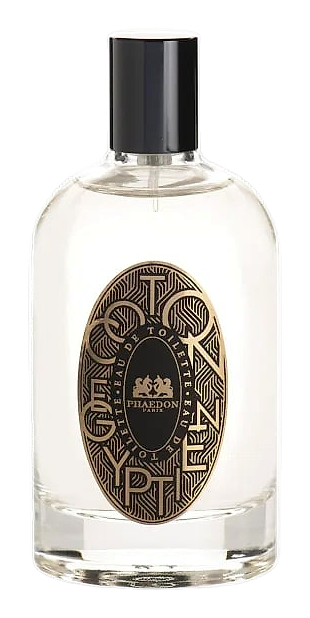
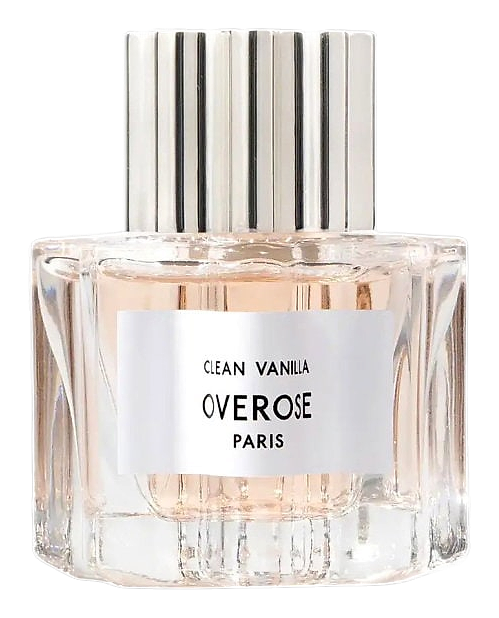
Fragrances featuring Cotton
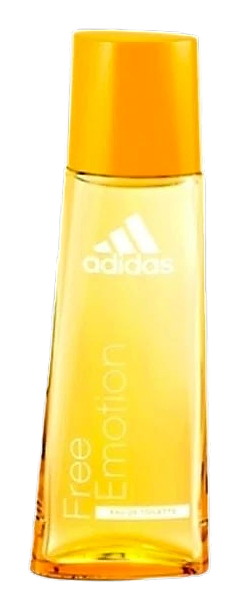
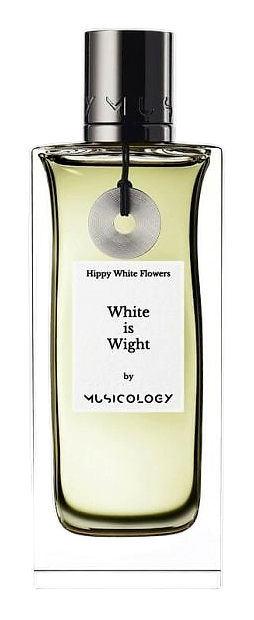
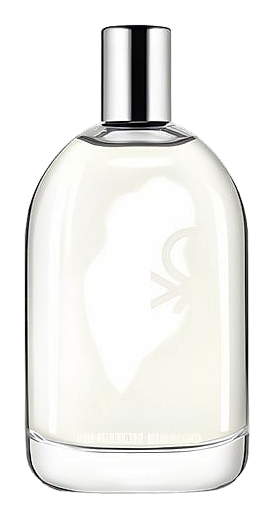
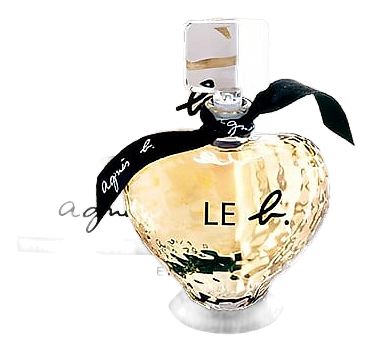
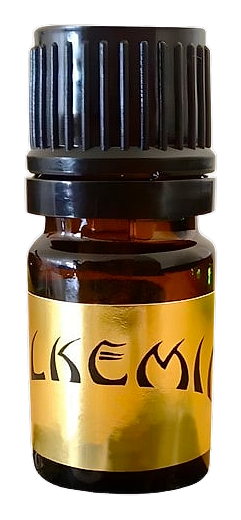
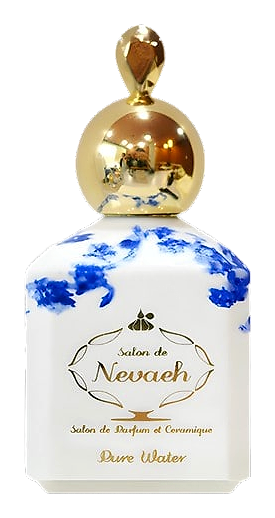
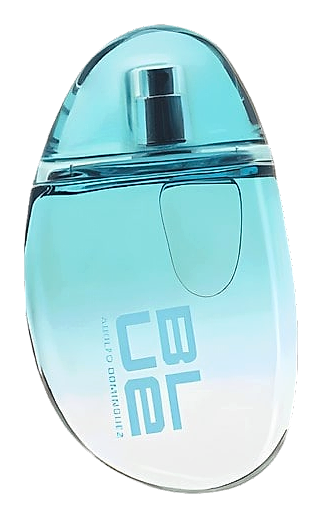
Brands
Brands known for Cotton
Good to know
Questions, answered
The essentials on Cotton in perfumery: how it smells, where it comes from, and how it behaves on skin.
What does cotton smell like in perfume?
Cotton in fragrance smells like freshly cleaned laundry: soft, airy, and slightly warm with powdery and clean linen qualities. Most cotton accords are synthetic reconstructions built from aldehydes, white musks, and light floral molecules.
Is cotton a natural or synthetic fragrance note?
Cotton is predominantly synthetic in modern perfumery. While cotton flower absolute can be produced via solvent extraction, it remains commercially rare. The majority of cotton notes are constructed from aroma chemicals like C12 MNA and musks.
When did cotton become a popular fragrance note?
Cotton notes gained mainstream popularity in the 1990s and early 2000s, coinciding with the rise of 'clean' and 'fresh' fragrance trends influenced by laundry product marketing and consumer demand for comforting, familiar scents.
Where does natural cotton flower absolute come from?
Cotton plants are cultivated globally, with India, China, the United States, and Pakistan as leading producers. Natural cotton flower absolute, when produced, typically originates from these regions though it remains a specialty ingredient.
What ingredients create a cotton accord?
A typical cotton accord combines aldehydes (C12 MNA, C12 LA), white musks like galaxolide or ethylene brassylate, and subtle additions of violet leaf, orris, and cashmeran. These materials collectively evoke the scent of sun-dried fabric.
What fragrance families use cotton notes?
Cotton notes appear most frequently in clean, fresh, and soft floral compositions. They also appear in light musky skin scents and unisex fragrances where a sense of cleanliness, comfort, or intimacy is desired.
Is cotton fragrance hypoallergenic?
No fragrance is inherently hypoallergenic, including cotton accords. Individual sensitivity depends on specific molecules used; some white musks and aldehydes can cause reactions in sensitive individuals despite the gentle impression.
How is cotton flower absolute made?
Cotton flower absolute is produced by solvent extraction: flowers are immersed in hexane to create a concrete, then washed with ethanol to yield the absolute. The process captures the blossoms' waxy, green-floral aromatic compounds.