Aromatic Notes
Green, herbaceous, and refreshing, aromatic notes capture the essence of herbs from Mediterranean fields into fragrance, from lavender's serenity to rosemary's clarity.

Character
How it smells
Fresh herbs, living air.
Ancient physicians prescribed rosemary sprigs during plague outbreaks, believing its camphor-like scent could purify contaminated air.








Origin
Mediterranean region
The aromatic family traces its roots to ancient Mediterranean civilizations where herbs served dual roles in medicine and ceremony. Greek physicians like Dioscorides documented the therapeutic properties of lavender and rosemary, while Roman bathhouses incorporated these plants into cleansing rituals. The word aromatic derives from the Greek aroma, meaning spice or sweet herb.
During the Renaissance, perfumers in Grasse, France began systematically cultivating aromatic crops, transforming regional botanicals into luxury fragrance ingredients. By the 19th century, the aromatic family had become a cornerstone of masculine perfumery, a position it maintains today across traditional and contemporary fragrance families.
Wears it best
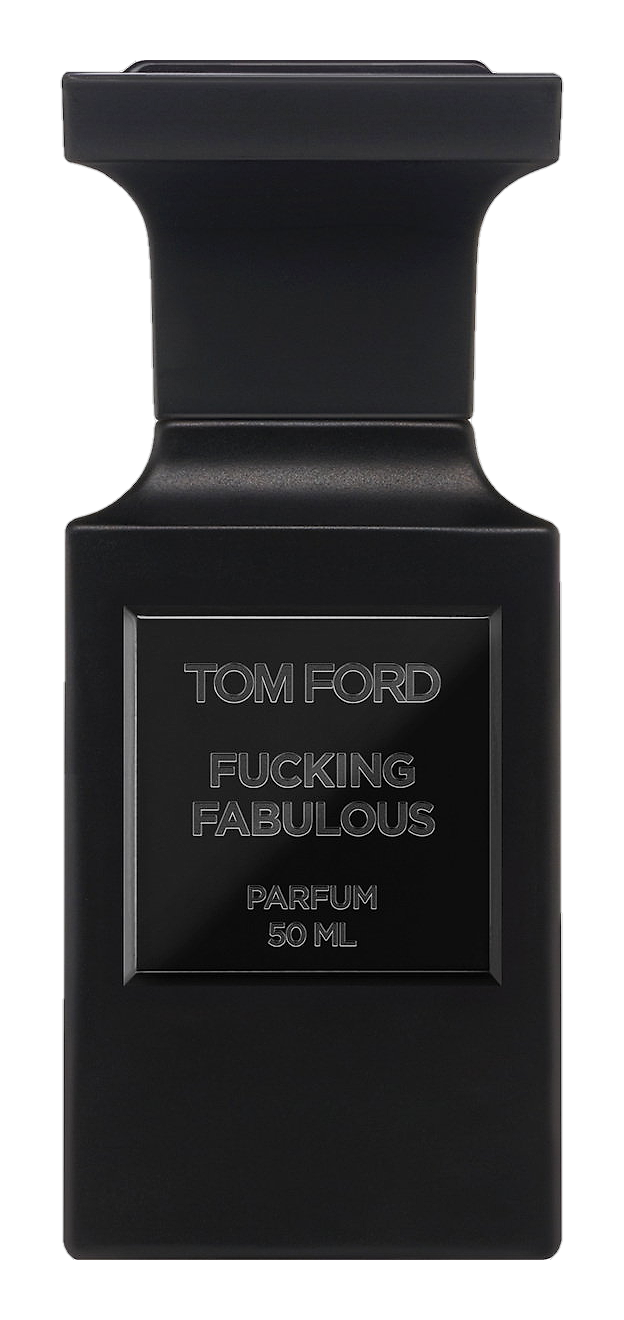
Fragrances featuring Aromatic Notes










Good to know
Questions, answered
The essentials on Aromatic Notes in perfumery: how it smells, where it comes from, and how it behaves on skin.
What defines aromatic notes in perfumery?
Aromatic notes come from herbaceous plants containing high concentrations of volatile camphor and 1,8-cineole compounds. These notes produce crisp, green, and slightly medicinal scents that evoke fresh herbs and wild vegetation. They serve as both top and heart notes, providing freshness and structure across fragrance families.
Which plants provide the most common aromatic notes?
Lavender, rosemary, sage, thyme, basil, and clary sage rank among the most frequently used aromatic ingredients. Lavender alone appears in over 80% of masculine fragrances as a bridging note. Each plant offers a distinct facet, from lavender's floral calm to rosemary's sharp, medicinal clarity.
How do aromatic notes interact with other fragrance families?
Aromatic notes act as versatile connectors that bridge fresh and warm fragrance families. They soften woody accords, lift oriental blends, and ground citrus compositions. In fougère structures, aromatics combine with oakmoss and coumarin to create complex, layered effects that evolve throughout wear.
Are aromatic notes extracted differently from other botanicals?
Steam distillation remains the primary extraction method for most aromatic plants because it preserves delicate volatile compounds. Lavender yields approximately 0.5 to 1 percent essential oil by weight of fresh flowers. Some aromatics like clary sage are also produced through solvent extraction to capture broader fragrance molecules.
Do aromatic notes work equally well in masculine and feminine fragrances?
Aromatic notes historically anchored masculine perfumery but now appear across all fragrance categories. Contemporary perfumers pair lavender with floral absolutes for feminine compositions or combine rosemary with amber for gender-neutral creations. The traditional association persists, but usage has broadened significantly.
What distinguishes aromatic notes from green notes?
Green notes capture the scent of cut grass, crushed leaves, and unripe fruit, while aromatic notes specifically reference culinary and medicinal herbs. Aromatics carry more structure and warmth, whereas green notes deliver sharp, vegetal freshness. Many fragrances blend both families for complex natural effects.
How long do aromatic notes last on skin?
Aromatic notes typically project for 2 to 4 hours as top notes before fading. When used as heart notes through ingredients like clary sage or absolutes, they persist for 6 to 8 hours. Blending aromatic herbs with fixatives like amber or woods extends their presence significantly.
Which seasons suit aromatic-fragranced perfumes best?
Aromatic notes excel in spring and autumn when their fresh, herbaceous qualities complement transitional weather. Lighter aromatic compositions with lavender and basil work well in warm months, while denser rosemary and sage formulations provide comfort during cooler seasons.