White Suede
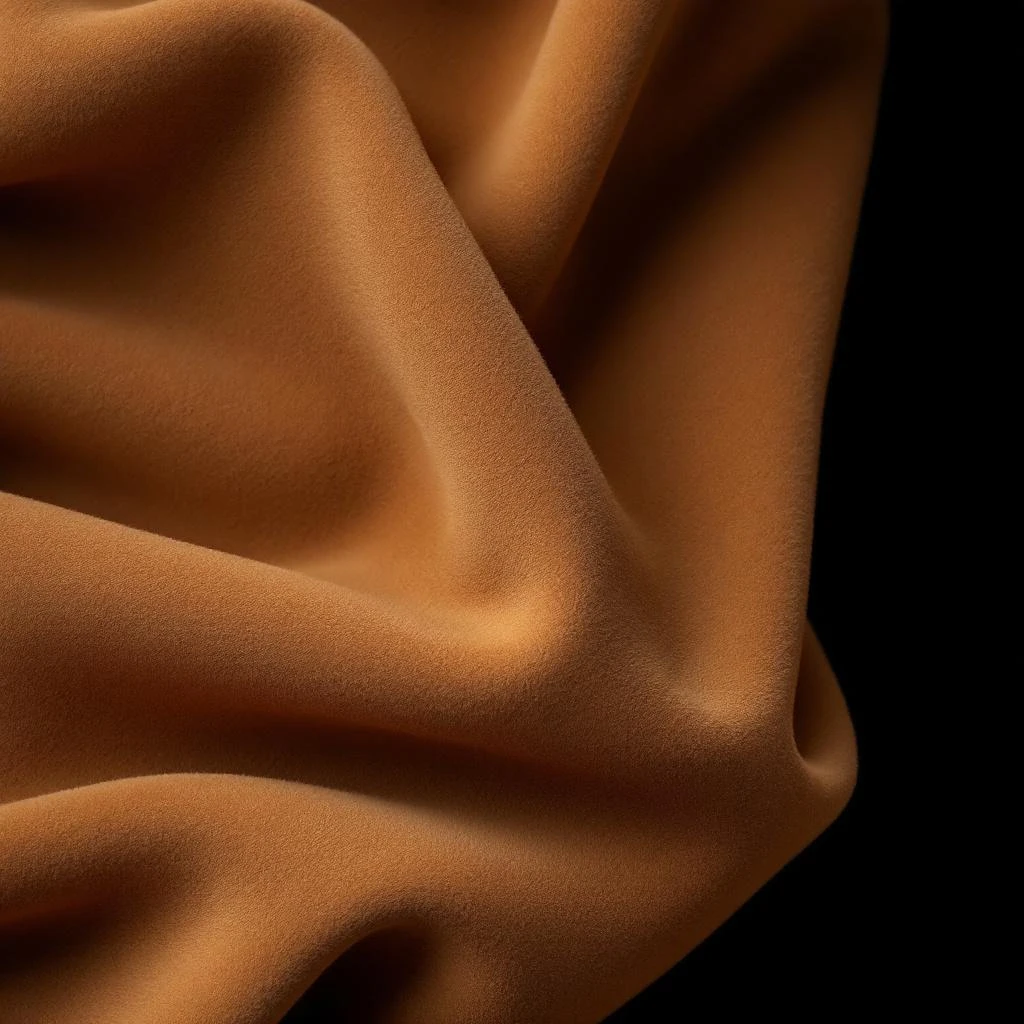
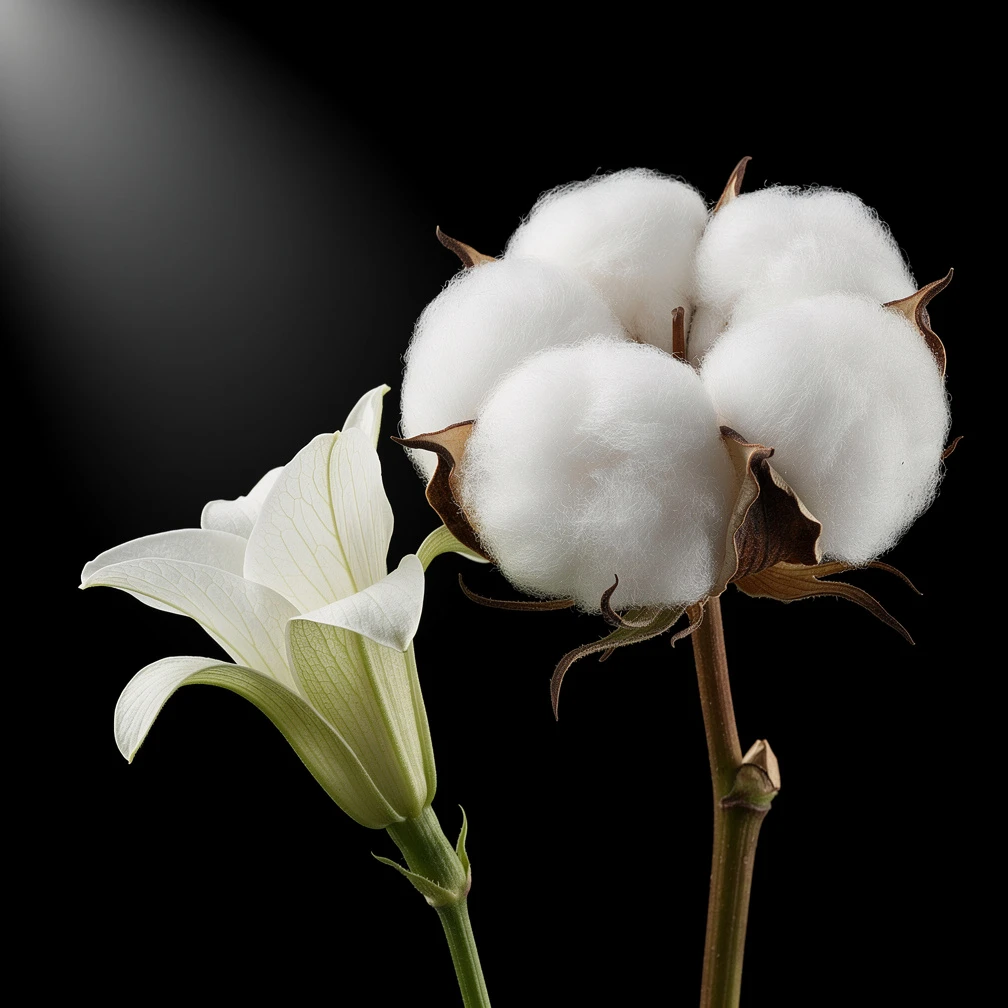
A modern olfactory impression of soft, warm leather. White Suede captures the velvety texture of deerskin without animal derivation, translating luxury into a vegan-friendly accord. This synthetic note layers creamy iris, warm benzoin, and soft musks to recreate suede's characteristic warmth and wearability.
Character
How it smells
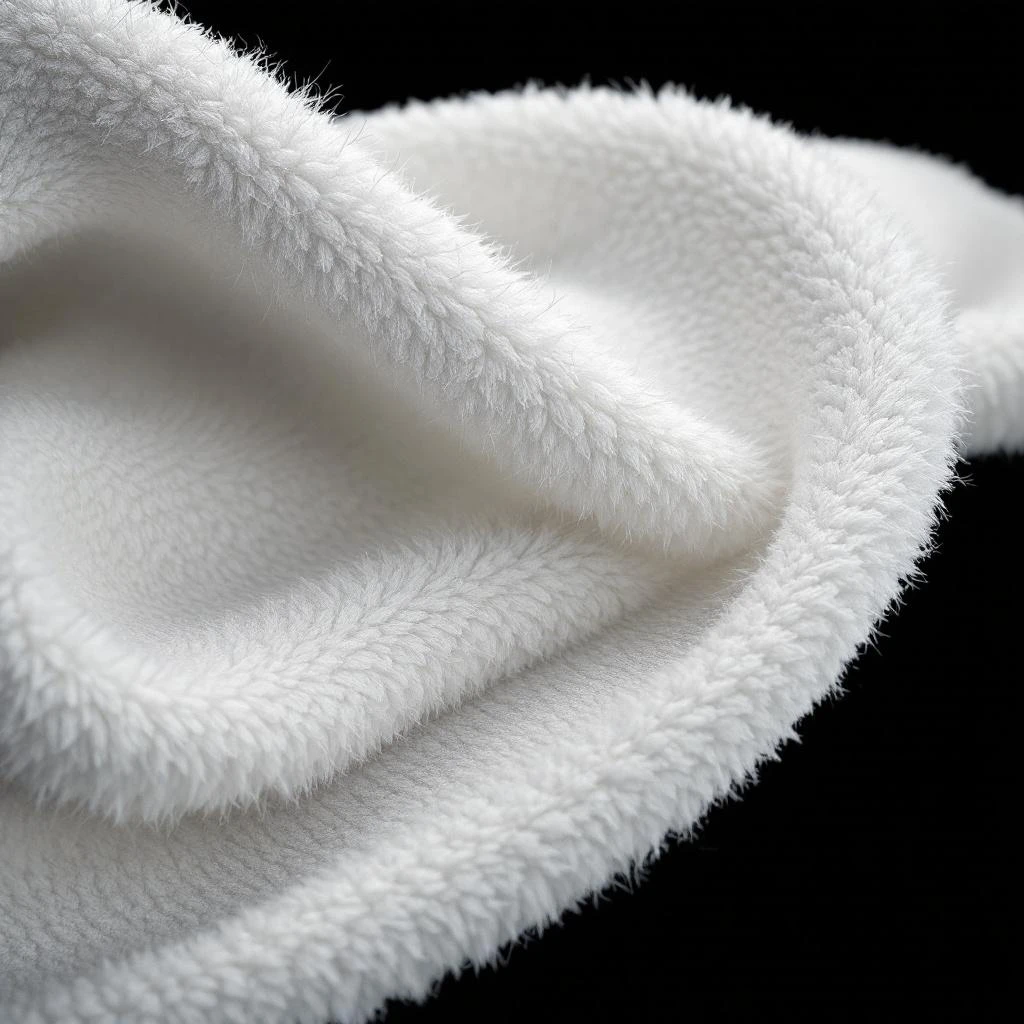
Velvety warmth translated into scent.
Suede accords replicate the softness of deerskin leather using entirely synthetic ingredients—no animal products required.








Origin
France
The connection between leather and perfume predates synthetic chemistry by centuries. In 13th-century Grasse, France, glove makers struggled with the pungent odor of urine-tanned leather, hiring perfumers to mask the unpleasant smell. This partnership between fragrance and leatherwork laid groundwork for modern perfumery.
When Tom Ford launched White Suede in 2009 as part of the White Musk Collection, suede notes had evolved from mere masking agents into sophisticated olfactory materials. The note draws from the Persian and Islamic contributions to perfumery—scholars like Ibn Sina refined steam distillation techniques that enabled precise extraction of aromatic compounds. Islamic traders had long traded luxury goods, spreading musk, rose, and amber throughout connected markets.
Suede as a fragrance note represents the synthesis of this historical exchange: ancient leather craftsmanship meeting modern molecular chemistry.
Wears it best
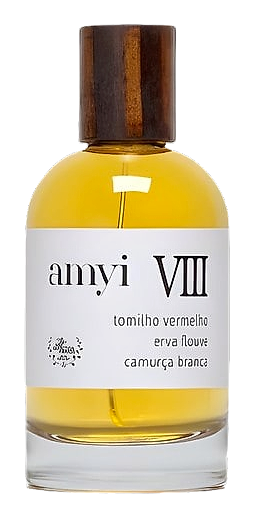
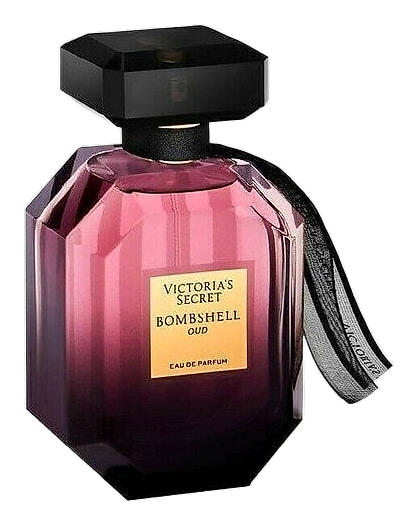
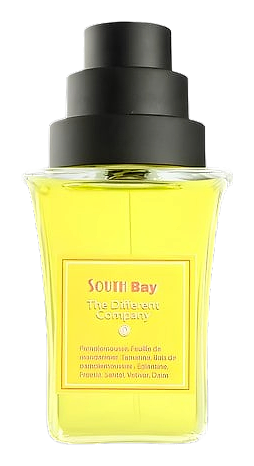
Fragrances featuring White Suede
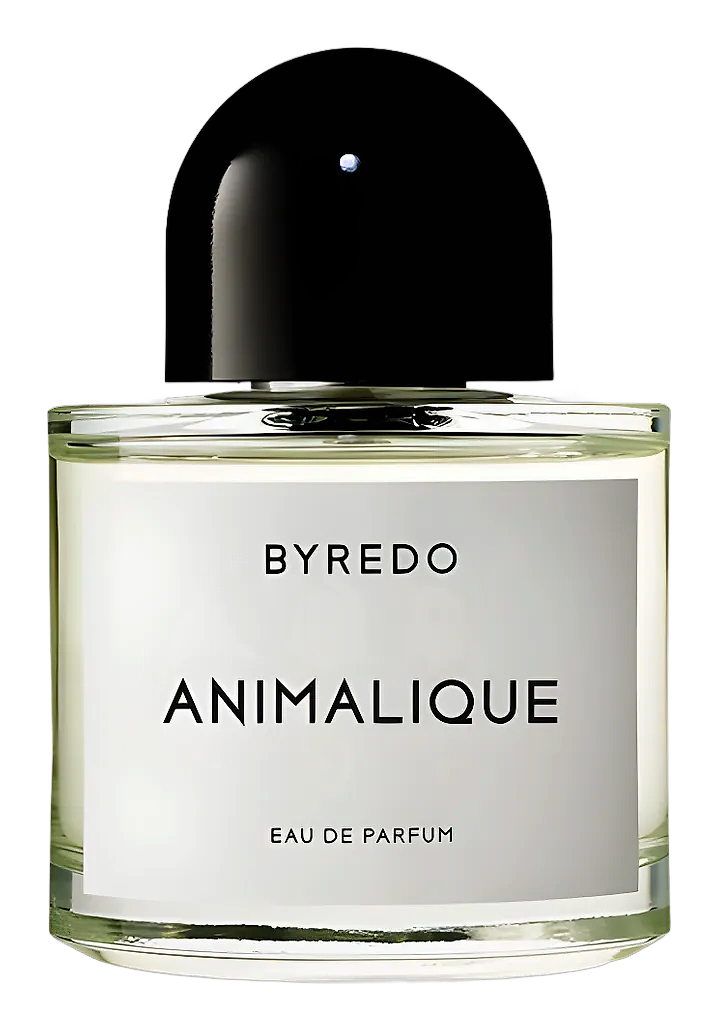
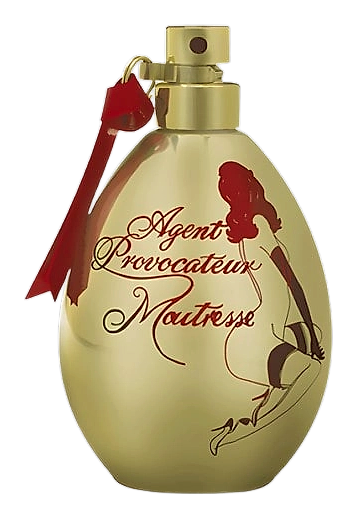

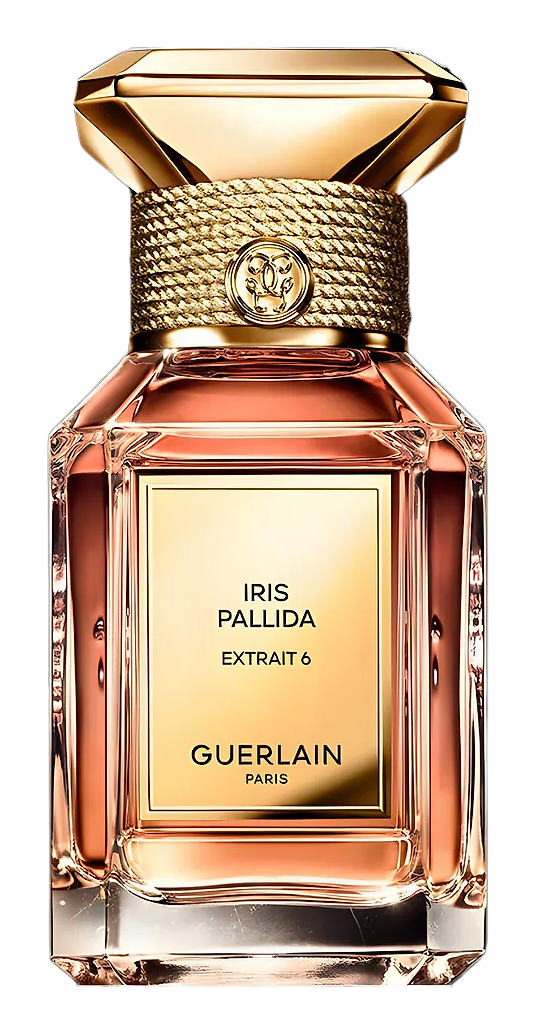
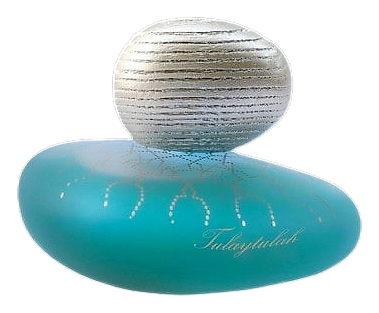
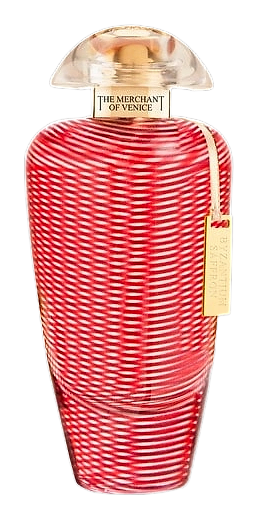
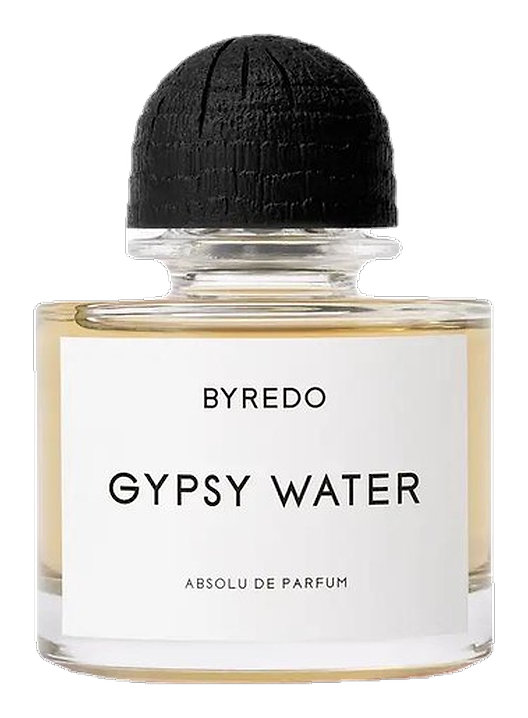
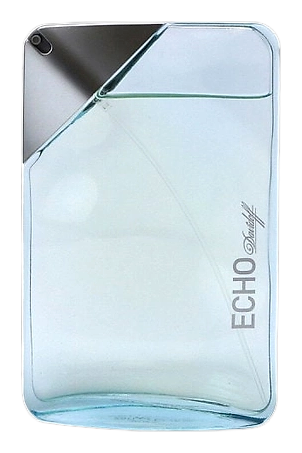
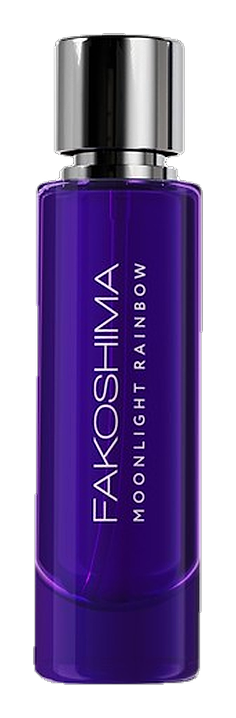
Brands
Brands known for White Suede
Good to know
Questions, answered
The essentials on White Suede in perfumery: how it smells, where it comes from, and how it behaves on skin.
What does White Suede smell like?
White Suede smells like warm, worn leather next to skin. The note combines powdery iris, creamy musks, and subtle animalic warmth to create a soft, intimate impression that reads as clean and sophisticated rather than heavy or animalic.
Is White Suede made from actual leather?
No, suede notes are entirely synthetic. Modern perfumery recreates suede's velvety warmth using molecular compounds like gamma-undecalactone, synthetic musks, and warm resin accords—no animal products required.
Which perfumes feature White Suede prominently?
Tom Ford White Suede (2009) remains the definitive suede fragrance. The House of Tom Ford collaborated with Firmenich perfumers to create this signature scent, which now serves as a reference point for suede accords industry-wide.
How does White Suede differ from leather notes?
Leather notes evoke heavier, more assertive animal skin impressions with smoky, tarry characteristics. Suede notes are softer, warmer, and more powdery—they read as skin-adjacent rather than dramatic.
What ingredients create the suede accord?
Suede accords typically combine iris (for powdery velvet), benzoin (for warmth), synthetic musks (for skin-like softness), and trace animalics (for depth). Each house develops proprietary ratios.
Does White Suede work in winter and summer?
White Suede performs best in cooler temperatures where its warm, intimate character develops without overwhelming. In summer heat, the note can become too close to the skin and lose its characteristic softness.
What family does suede belong to in fragrance classification?
Suede functions as a bridge note between oriental and woody families. It shares warm, resinous qualities with oriental ingredients while carrying the tactile softness associated with powdery florals.
Can suede notes trigger allergies?
Suede accords contain synthetic musks that may affect individuals sensitive to these compounds. Traditional allergens like oakmoss have been removed from modern suede formulations to reduce sensitization risk.