The Story
Why it exists.
The beginning
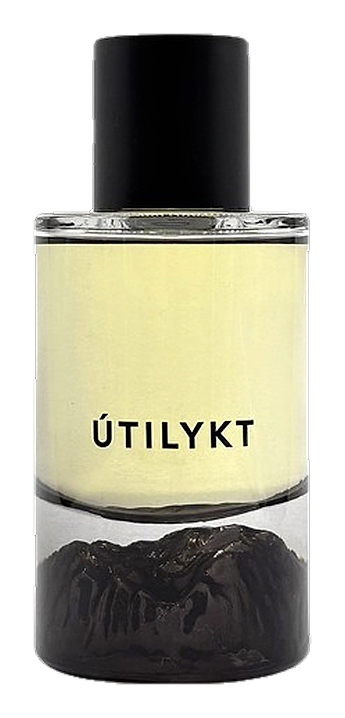
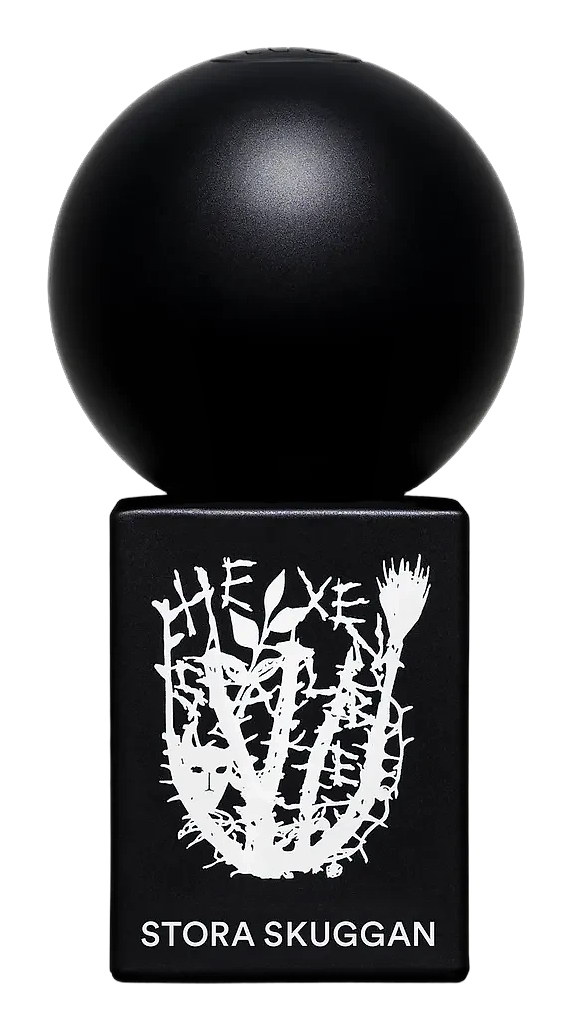
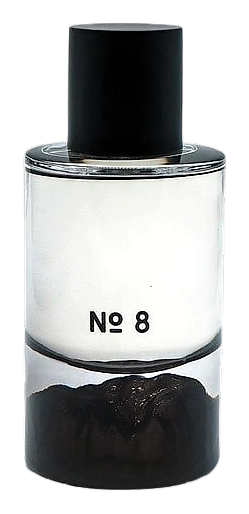
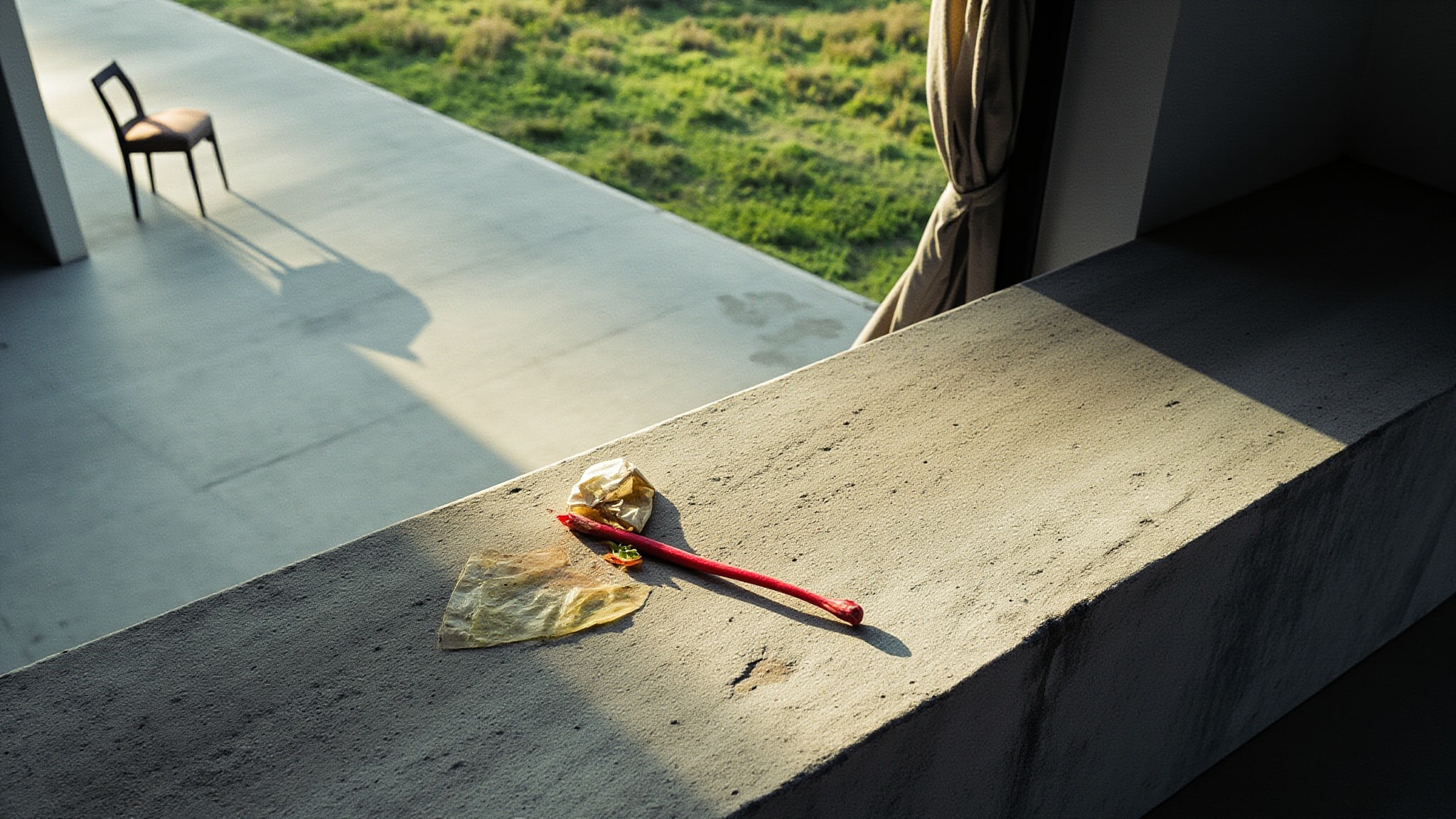
No. 8 was built from stolen rhubarb. The brand's own copy doesn't hide it, "stolen rhubarb from a neighbour's garden, peeled, slathered in honey and chewed on." That's the starting point. Jónsi Birgisson, the Sigur Rós frontman turned perfumer, translated childhood memory into scent: the crush of flower stalks against hot asphalt, orange cake crumble in the pocket of freshly washed clothes, the arctic wind through a damp pine forest. This isn't metaphor. It's literal. The fragrance is a series of sensory snapshots from growing up in Iceland, compressed into liquid form. Tart rhubarb anchors everything, it arrives first, it lingers longest, it refuses to be decorative.
What makes No. 8 unusual isn't any single note, it's the contrast the brand built around them. Rhubarb is bright and sharp on its own. Asphalt is dark, almost brutal. Flower stalks are green and alive. Orange cake is warm and domestic. The trick is that all of these sit together without resolving into something predictable. The aldehydes add a lift, a brightness that keeps the green notes from going sharp or medicinal. The asphalt and mineral accord ground the sweetness before it becomes confectionery. Sitka spruce, the dominant base, brings cold, forest floor, the smell of trees after rain.
The evolution
The opening arrives fast, rhubarb first, green and tart, almost biting. Within minutes the citrus kicks in: bergamot and grapefruit brightening everything. Then the surprise phase: honey and orange cake, warm and domestic, appearing like a memory you didn't expect. The asphalt comes next, not as a shock but as a settling, the sweetness cools against the mineral. By hour two, the spruce takes over. This is the long game. Sitka spruce doesn't project much but it lasts, close to the skin, cold forest, faint ash. By hour four, what's left is barely there: rhubarb leaf, a trace of conifer, the memory of asphalt after rain.
Cultural impact
No. 8 attracts a specific kind of wearer: someone who's done with safe florals and predictable fresh scents and wants something that actually smells like a place, a memory, a moment. The rhubarb-asphalt combination isn't for everyone, it's too raw, too honest, too much like real life instead of perfume. But for those who connect with it, it becomes singular. The community response centers on nostalgia, wearers describe it as the smell of childhood, of a northern landscape, of something overlooked until now. It's not a fragrance that announces itself loudly. It rewards the wearer who leans in.