Mineral Notes
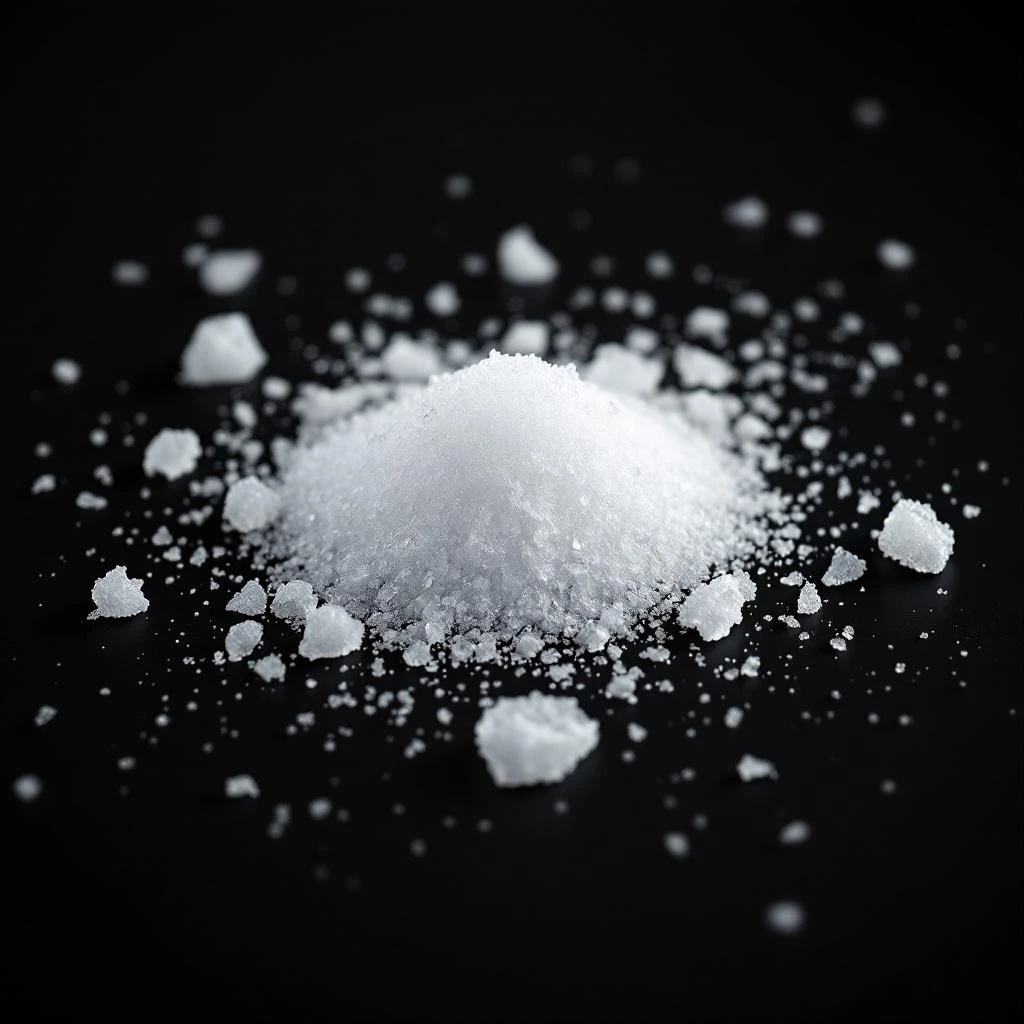
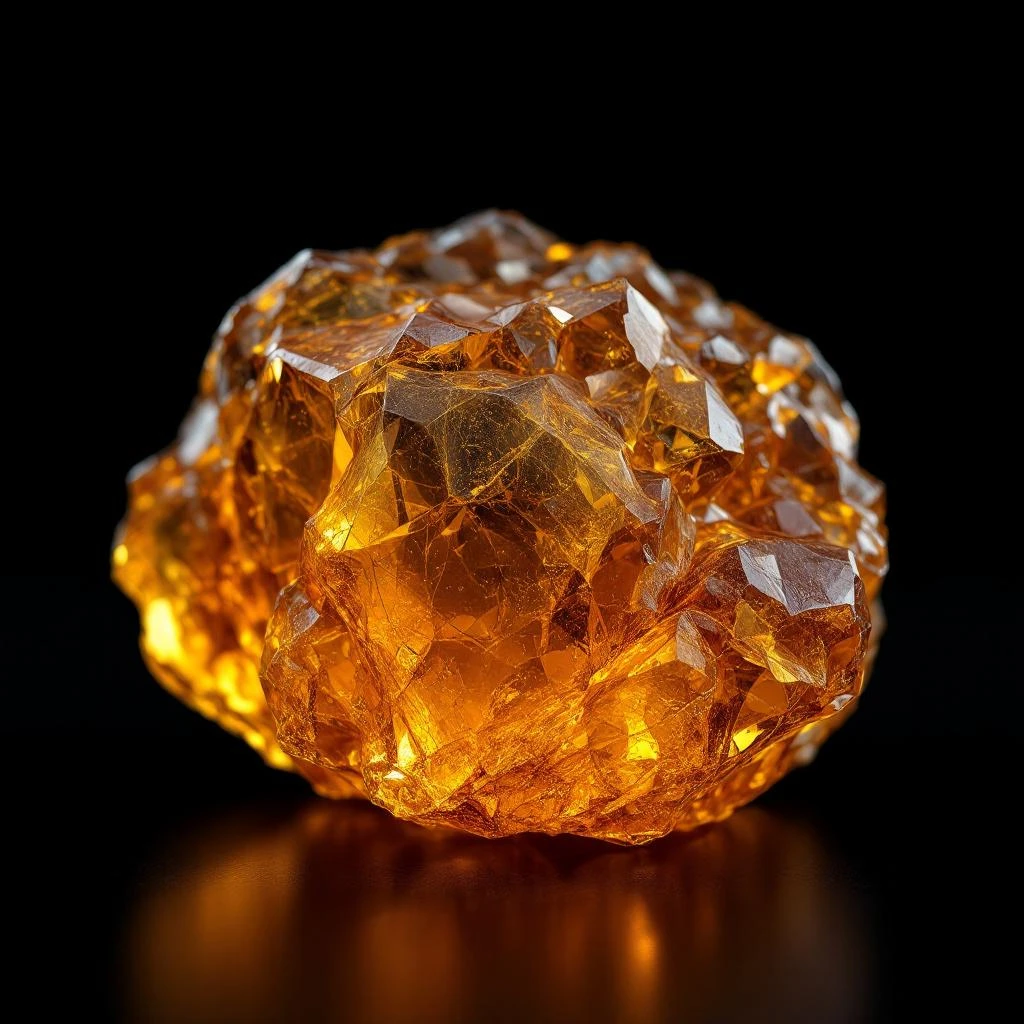
Mineral notes capture the crisp air of coastal shores and rain-washed stone. These synthetic accords deliver an icy, saline freshness that has redefined modern fragrance.
Character
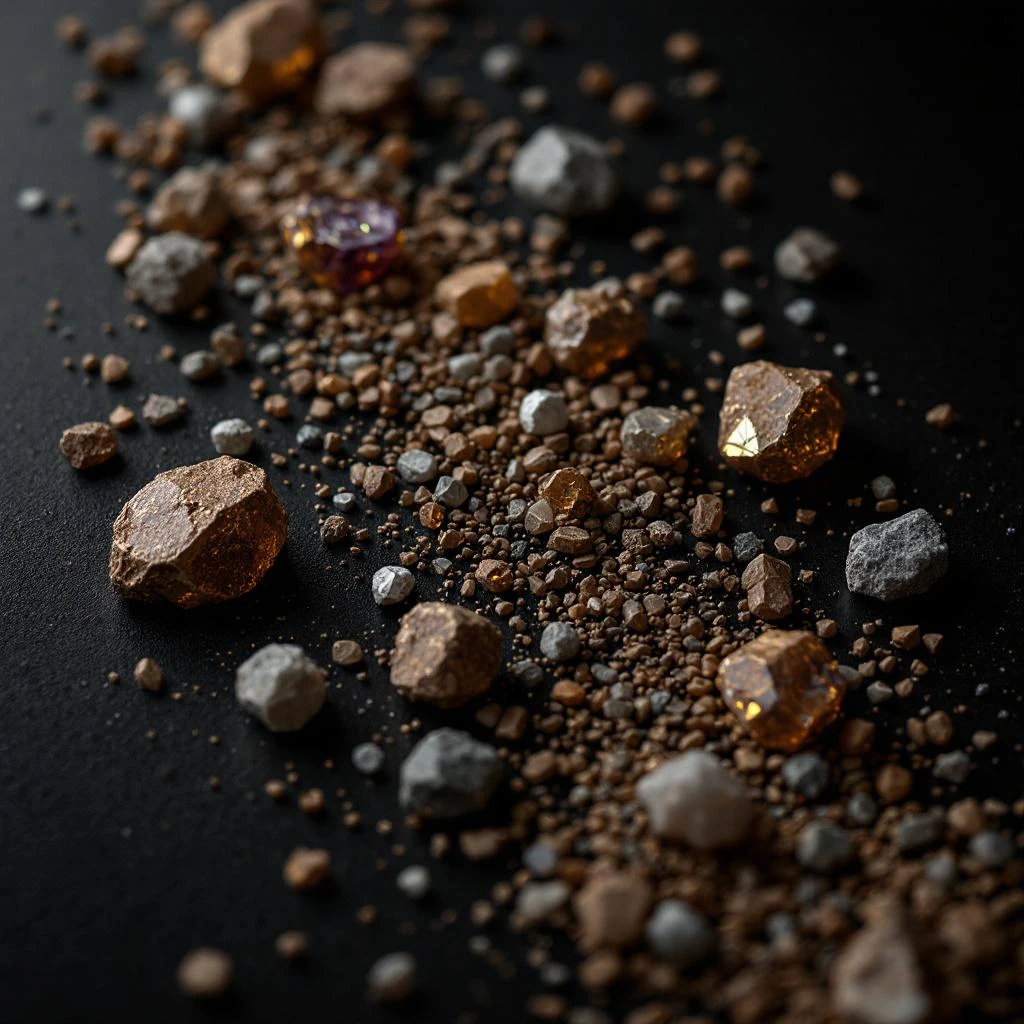
How it smells
The invisible scent of sea spray and wet stone.
Though called 'mineral,' these notes contain no actual minerals. Perfumers synthesize a sensory illusion using aldehydes and synthetic molecules.








Origin
France
The concept of mineral notes emerged in the late 20th century as fragrance chemistry advanced. The 1990s aquatic fragrance revolution created demand for scents that evoked the sea without using actual seawater or marine botanicals.
Calone, discovered in 1966, became the foundational molecule for marine accords, but perfumers expanded beyond single molecules to complex mineral accords. These synthetic constructions aimed to evoke sea air, damp stones, and the mineral quality of shoreline environments.
Unlike traditional ingredients rooted in geography and harvest, mineral notes represent a purely chemical interpretation of natural phenomena. Today they remain a defining feature of modern Fresh and Marine fragrance families.
Wears it best
Fragrances featuring Mineral Notes

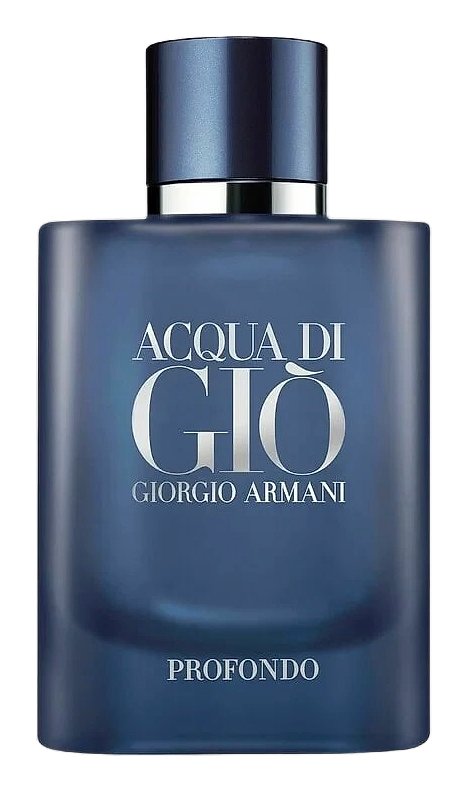
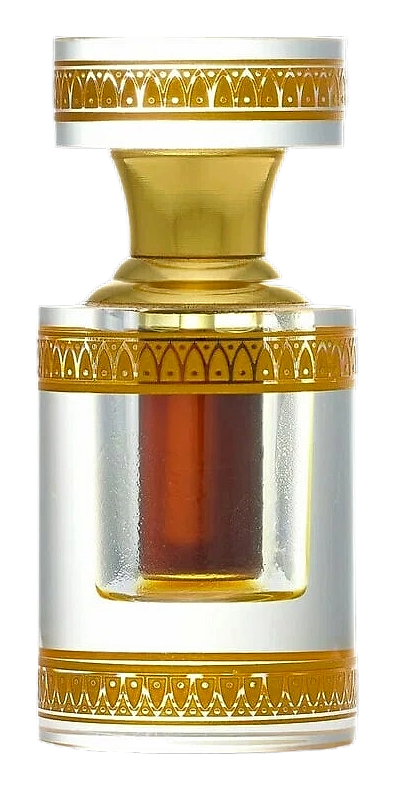
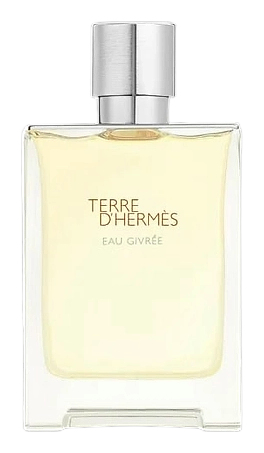
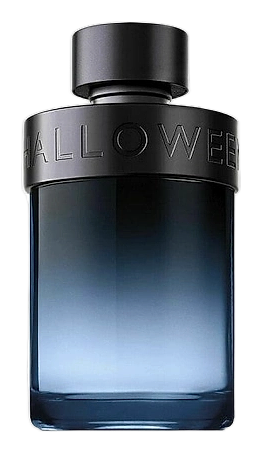

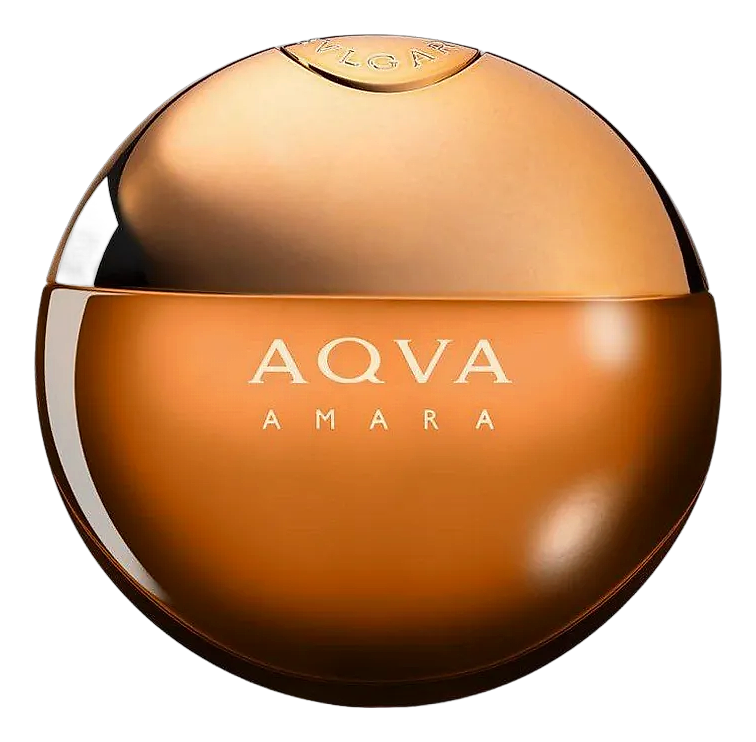

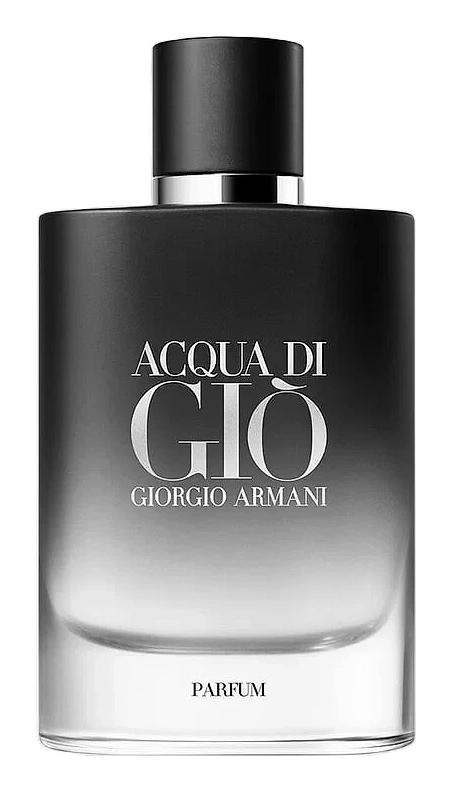

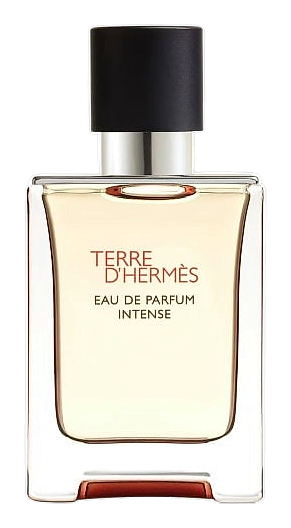
Brands
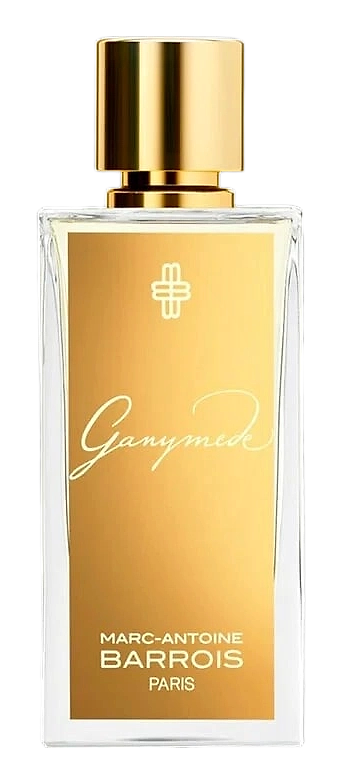
Brands known for Mineral Notes
Good to know
Questions, answered
The essentials on Mineral Notes in perfumery: how it smells, where it comes from, and how it behaves on skin.
What are mineral notes in perfumery?
Mineral notes are synthetic fragrance accords that evoke the scent of wet stone, coastal air, and salt. Perfumers create them by blending molecules like Calone with aldehydes and woody synthetics. This technique emerged in the 1990s during the marine fragrance revolution.
Do mineral notes contain actual minerals?
No, mineral notes contain no actual minerals. Perfumers construct these accords entirely from synthetic aromatic molecules that our brains interpret as mineral-like. The name describes the sensation, not the ingredient source.
What does mineral accord smell like?
Mineral accord smells like sea spray, wet concrete, and rain-washed stone. The sensation combines saline freshness with an ozonic, almost metallic quality. Think of standing on a rocky shore as a storm approaches.
Which fragrance families use mineral notes?
Mineral notes appear most often in Fresh and Marine fragrance families. They became a signature element of aquatic fragrances, which now represent approximately 30% of modern men's fragrance releases.
How do mineral notes differ from aquatic notes?
Mineral notes focus on salt and stone, while aquatic notes emphasize water itself. Mineral accords tend toward a drier, more atmospheric quality compared to the wet, watery character of pure aquatic notes.
Are mineral notes suitable for all seasons?
Mineral notes perform best in warmer months but adapt well year-round. Their clean, fresh character suits summer fragrances, while their atmospheric quality adds interest to winter scents.
What molecules create mineral notes?
Calone (BMX), discovered in 1966, forms the foundation of many mineral accords. Perfumers layer it with other synthetics like Galaxolide, Iso E Super, and various aldehydes to build complexity.
Do mineral notes help fragrance last longer?
Yes, mineral notes function as effective fixatives. Synthetic molecules in mineral accords slow the evaporation of more volatile fragrance components, extending longevity on skin.