The Story
Why it exists.
The beginning
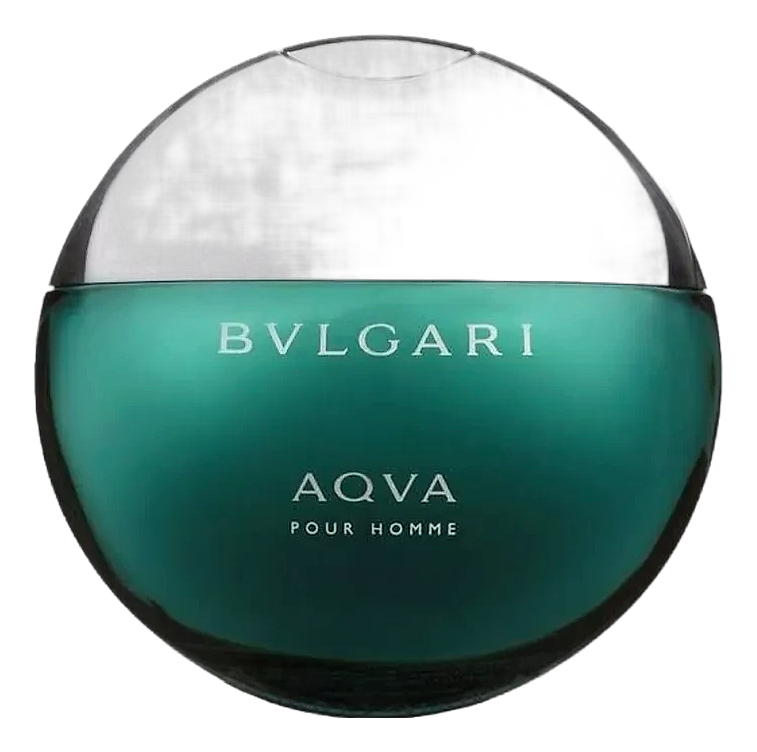
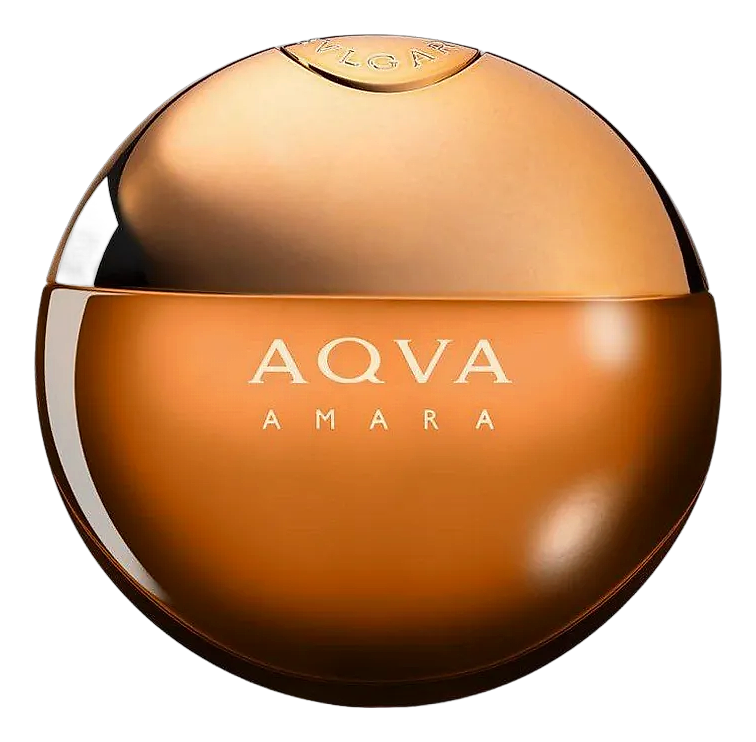
Bvlgari, the Roman jeweler founded in 1884, has always worked with bold colored gemstones and precious materials. The Aqva Amara bottle reflects this heritage, aqua glass and copper cap positioning the fragrance as something precious and wearable. Jacques Cavallier-Belletrud approached the brief with curiosity, asking what if bitter water smelled like the sea. He took the name literally, amara meaning bitter in Italian, and built a fragrance that contrasts bright citrus against dark, resinous depth.
The pairing of mandarin with frankincense reflects a deliberate philosophy: bright citrus opens the fragrance to invite the wearer, while resinous depth provides the reason to stay. Neroli bridges the transition, its creamy orangey character softening the citrus without diluting it. The mineral notes ground the aquatic quality, preventing it from becoming generic ocean. Patchouli ensures the drydown feels rooted in earth rather than floating away.
The evolution
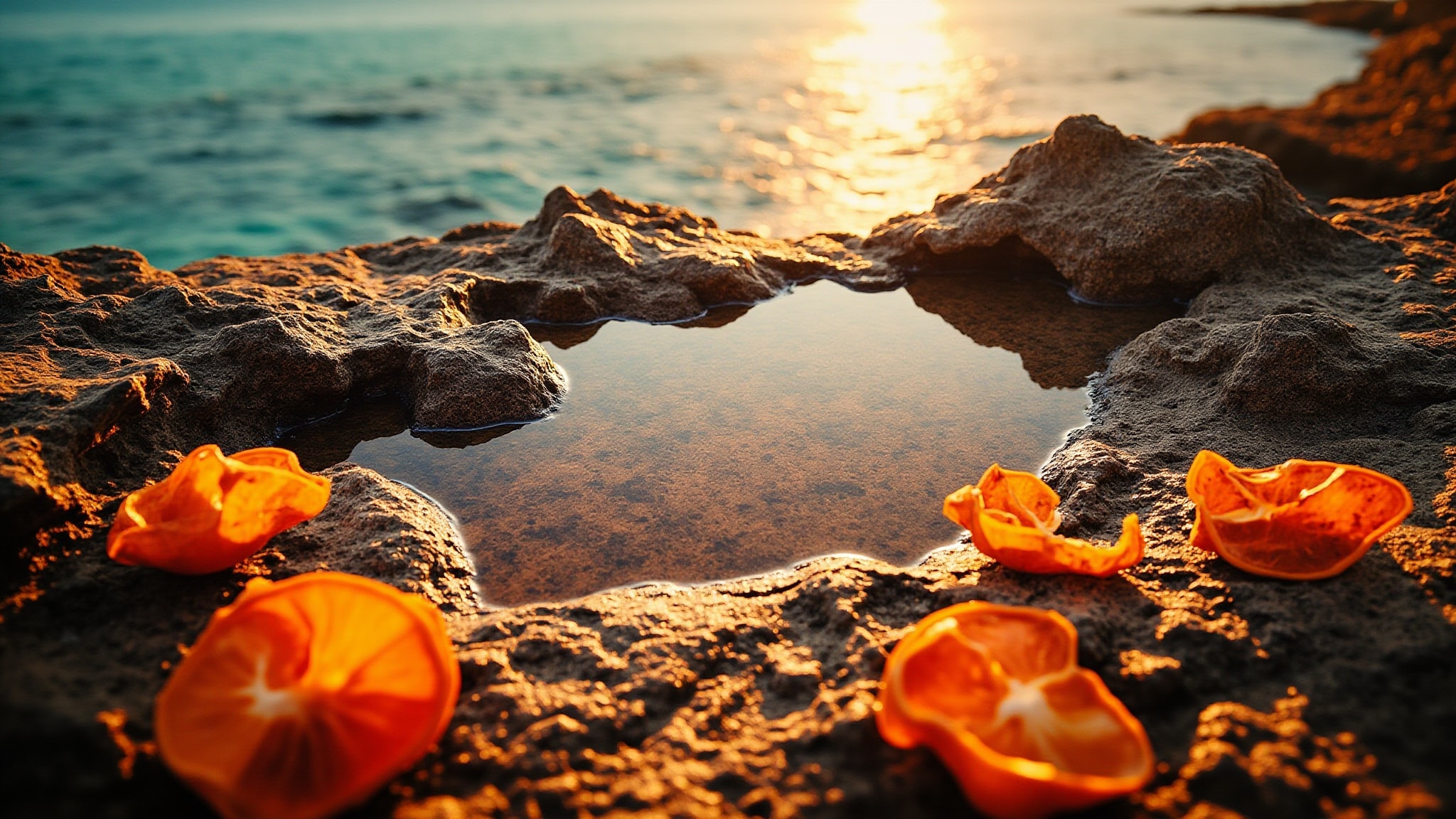
The fragrance begins with mandarin and neroli, creating a Mediterranean morning atmosphere of sunlit citrus. Within fifteen minutes, the heart shifts to aquatic and mineral notes, evoking cool sea air meeting mineral-rich coastline. The transition feels natural, as if the fragrance is drifting from shore into deeper water. Frankincense then enters with smoky, resinous presence, followed by patchouli that adds earthy, bitter warmth. The arc moves from bright to contemplative, from citrus energy to smoky depth, creating a complete narrative that feels both grounded and delicate.
Cultural impact
Aqva Amara found its audience among summer scent collectors and those who wanted aquatic without the clichés. The bitter neroli and mineral structure gave it more character than most aquatics, enough depth to wear in the evening, enough freshness to survive the afternoon. It carved a niche for itself as a modern aquatic that refused to choose between daytime ease and evening elegance.