The Story
Why it exists.
The beginning
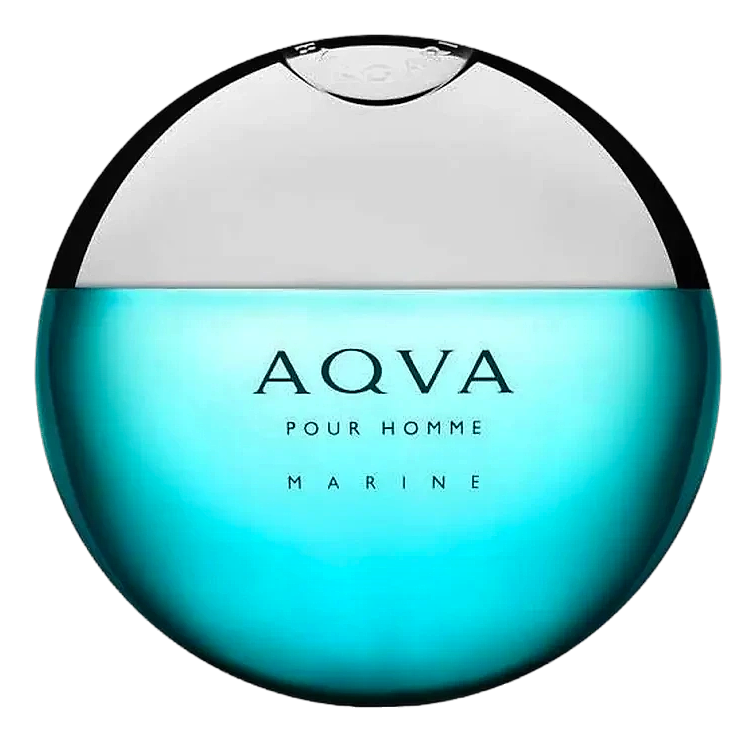
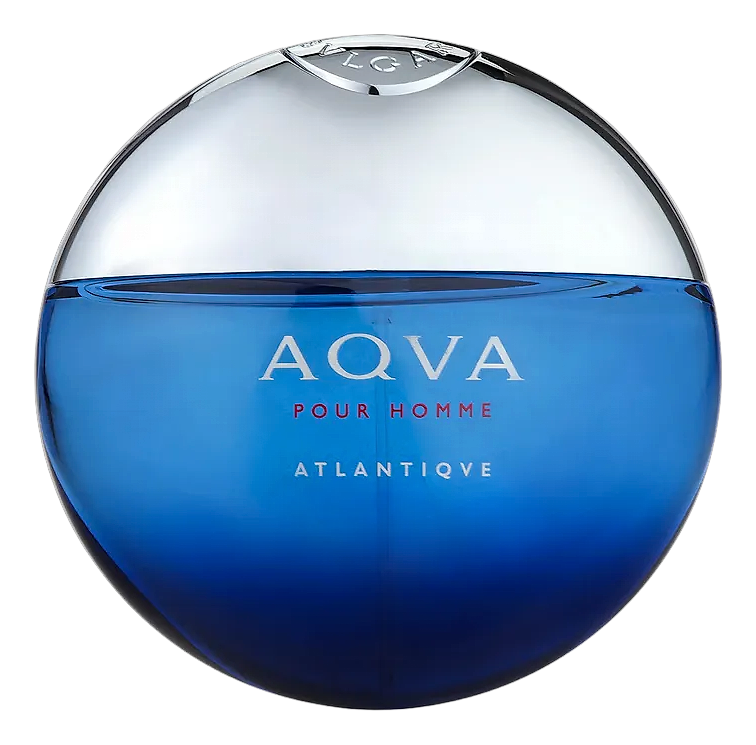
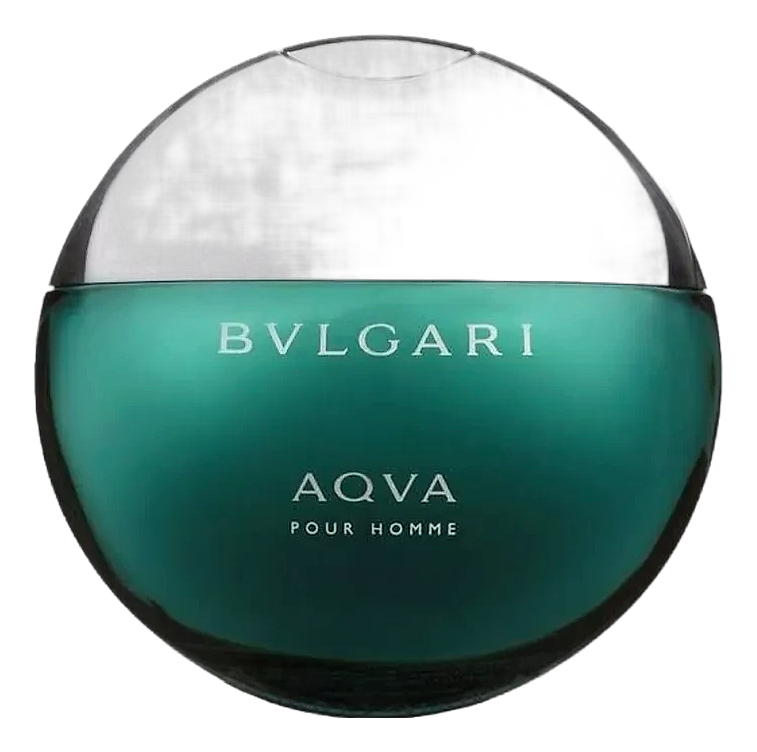
Jacques Cavallier-Belletrud didn't reach for the usual aquatic cues in 2005. Instead, he went to the Mediterranean itself, its salt-kissed grasses, its mineral shallows, its weathered shoreline. AQVA Pour Homme translates that coast into something wearable, built from Neptune grass and santolina rather than the synthetic marine accords flooding the market at the time. The name says water. The fragrance says something deeper: mineral amber and clary sage as the foundation, anchoring the aquatic freshness in actual earth.
The use of Neptune grass sets this apart from the generic aquatics of its era. Rather than relying on synthetic marine molecules, Bvlgari incorporated an actual marine material, Posidonia oceanica, the seagrass that drifts onto Mediterranean shores. Paired with santolina and clary sage, the result is a coastal character that reads as herbal and mineral rather than salty and synthetic. Mineral amber then grounds everything, giving the composition weight that most aquatics sacrifice for brightness.
The evolution
The opening reads bright for the first 30 minutes as mandarin and petitgrain give way to Neptune grass and santolina. That's the heart, 3-4 hours of coastal atmosphere on most skin. Then mineral amber and clary sage arrive. That's the foundation that carries the next 3-4 hours on most skin. On fabric, the mineral notes linger another 1-2 hours after the rest has faded.
Cultural impact
AQVA Pour Homme positioned itself as a refined alternative to mass-market aquatics when it launched in 2005. Rather than chasing the synthetic marine trend of that era, it used mineral amber and clary sage to give depth, appealing to men who wanted aquatic freshness without the shower-gel association.