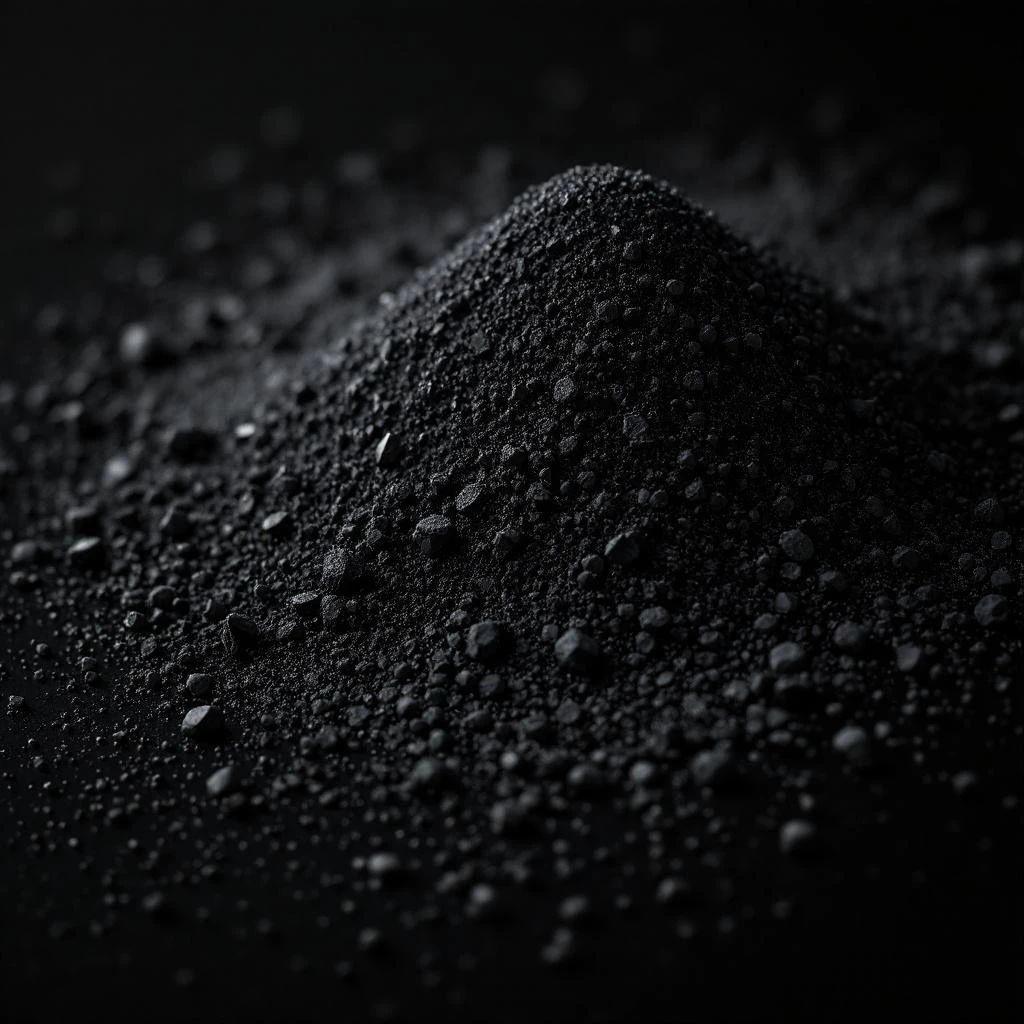
Mineral Amber
Mineral Amber is a warm, resinous accord that wraps the skin in soft, enveloping comfort. Crafted from labdanum, benzoin, and vanilla, it creates a sensual depth that anchors fragrances with lasting warmth.
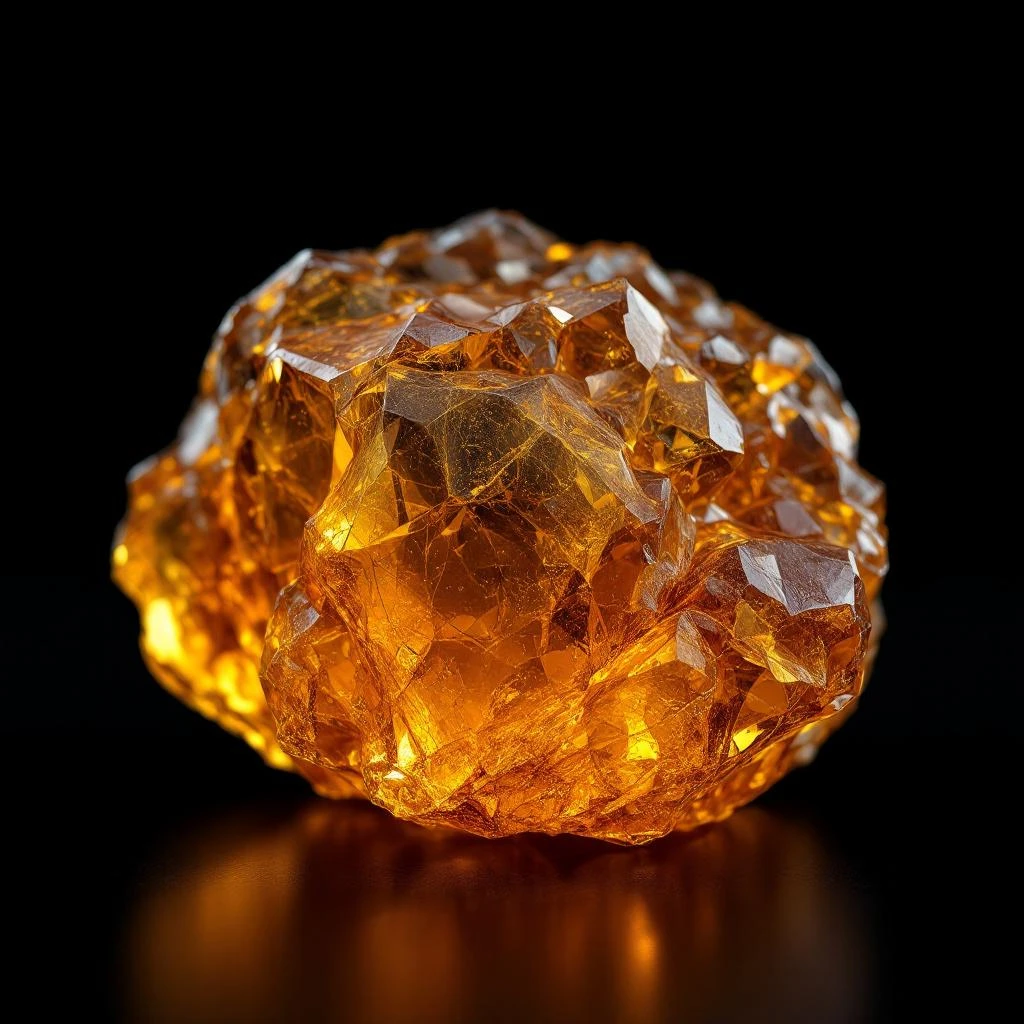
Character
How it smells
Warm resinous depth with an elegant mineral edge
The classic amber accord emerged in Grasse during the 1800s when synthetic vanillin became available, making warm amber accessible to perfumers for the first time.






Origin
France
Ambergris, the original material giving amber its marine, earthy character, was prized by ancient Arab and Chinese civilizations who used it in incense and medicinal preparations. When it reached Europe during the Middle Ages, it became a symbol of luxury and mystery. Yellow amber, fossilized tree resin from Baltic forests, held significance for Egyptians, Greeks, and Romans who believed it possessed protective powers.
The trade routes linking the Baltic to the Mediterranean made amber economically vital across centuries. By the late 1800s, perfumers in Grasse developed the amber accord we recognize today, blending labdanum, benzoin, and vanilla into a warm, resinous compound that democratized this beloved note.
Wears it best
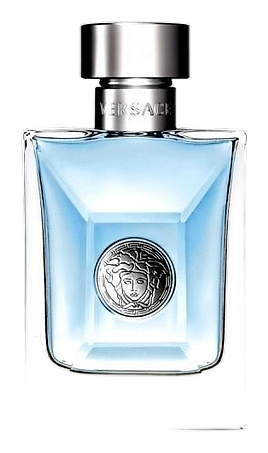
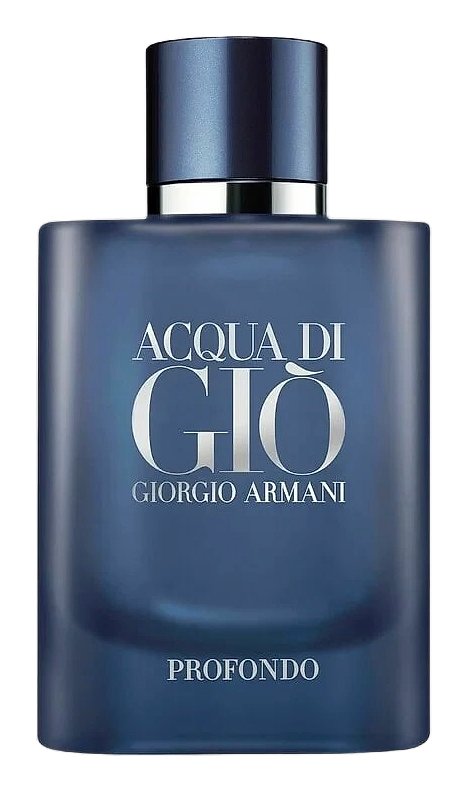
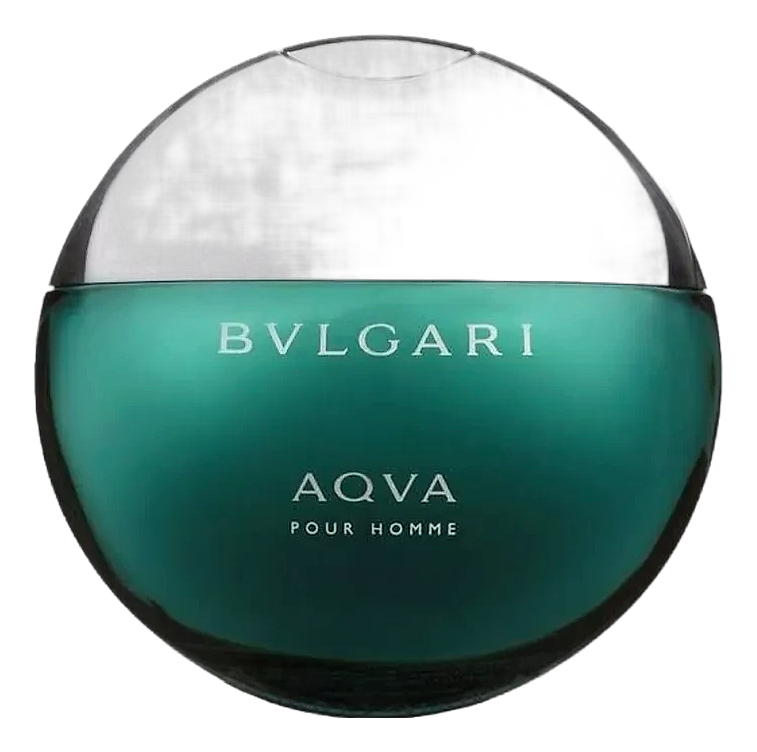
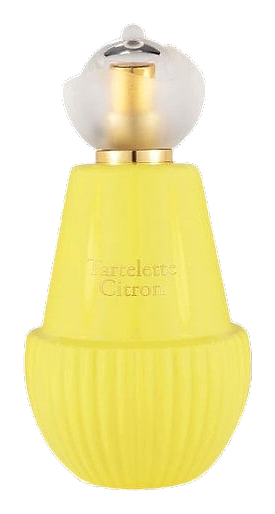
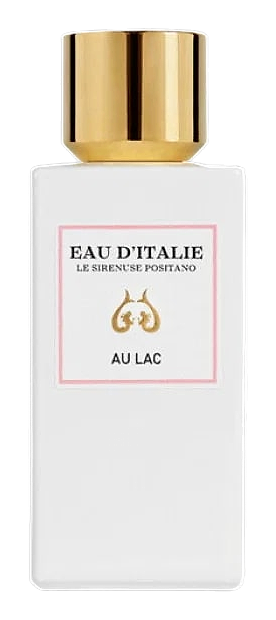
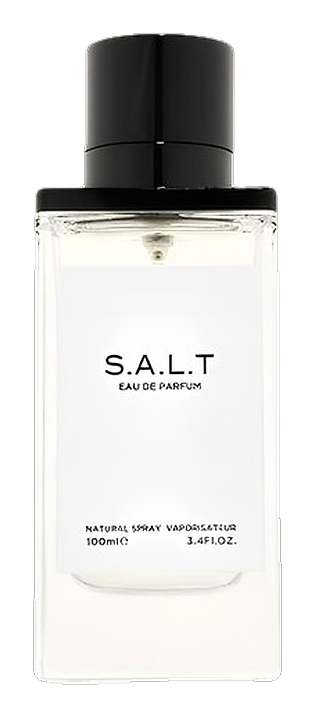
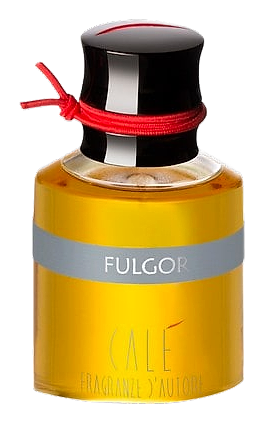
Fragrances featuring Mineral Amber
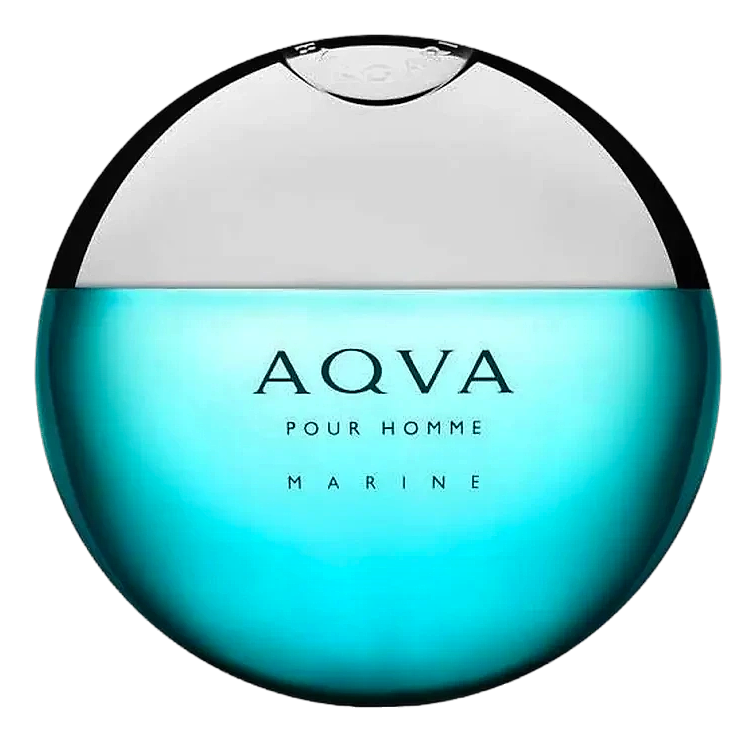
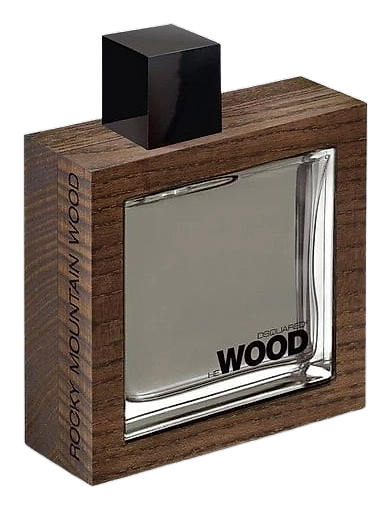
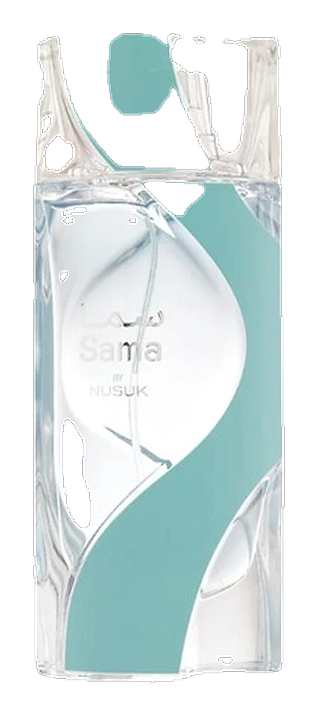
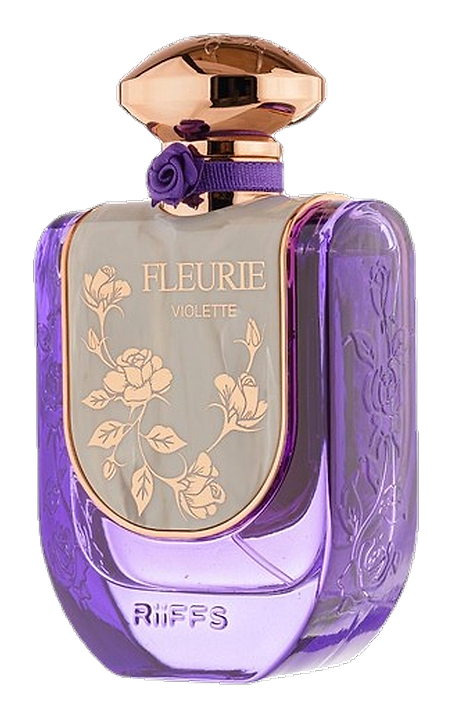
Brands
Brands known for Mineral Amber
Good to know
Questions, answered
The essentials on Mineral Amber in perfumery: how it smells, where it comes from, and how it behaves on skin.
What is Mineral Amber in perfumery?
Mineral Amber is a warm, resinous accord combining labdanum, benzoin, and vanilla. It creates a sensual, powdery warmth that anchors fragrance compositions and gives them lasting depth and seductiveness.
Is Mineral Amber a natural or synthetic material?
It is a crafted accord rather than a single natural material. The blend typically includes labdanum from Mediterranean rockrose, benzoin from Sumatra, and vanilla. Some versions incorporate tonka, Peru balsam, or styrax.
What does Mineral Amber smell like?
Mineral Amber smells warm, slightly powdery, and resinous with sweet balsamic undertones. It evokes feelings of comfort and sensuality, creating an enveloping warmth on the skin that lasts for hours.
Where did the amber accord originate?
Perfumers in Grasse, France developed the classic amber accord during the 1800s. Its creation became possible when synthetic vanillin was invented in the late 1800s, allowing perfumers to blend warm, resinous notes at scale.
What is the difference between amber and ambergris?
Ambergris comes from sperm whale intestinal secretions and develops marine, earthy, slightly sweet aromas naturally. The amber accord in perfumery is a crafted blend of plant-derived materials, not related to fossilized amber or ambergris.
Is amber used as a top, heart, or base note?
Amber functions primarily as a base note, providing depth and longevity to fragrances. It acts as an anchor that holds the composition together while radiating warm, sensual undertones throughout the wear time.
What fragrance families use Mineral Amber?
Mineral Amber appears predominantly in Oriental and Ambery fragrance families. It is essential to amber chypres, oriental perfumes, and warm florientals. It also adds warmth to certain woody and fougère compositions.
What ingredients make up the amber accord?
The classic amber accord combines labdanum resin from Mediterranean rockrose, benzoin from Southeast Asia, and vanilla. Perfumery recipes often include tonka bean, Peru balsam, or styrax to enhance the sweet, resinous character.