Salty Notes
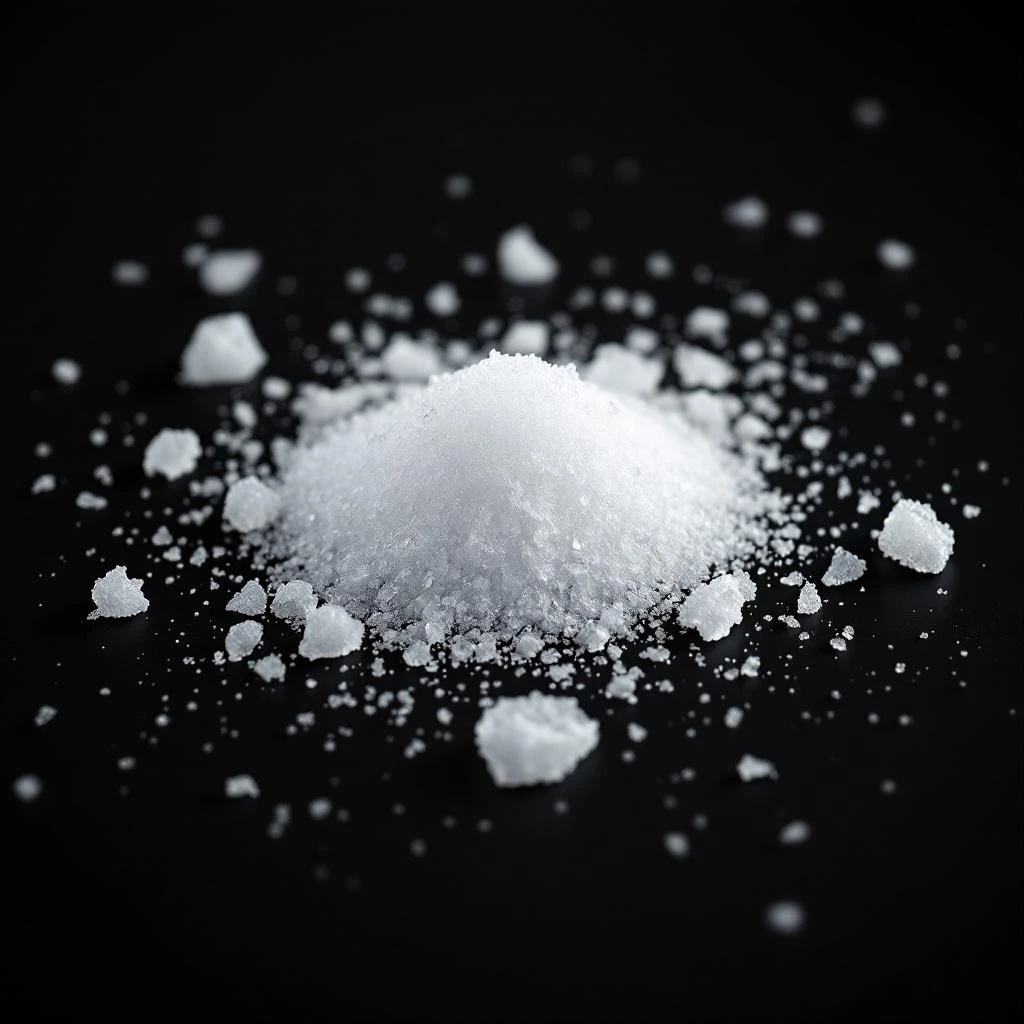
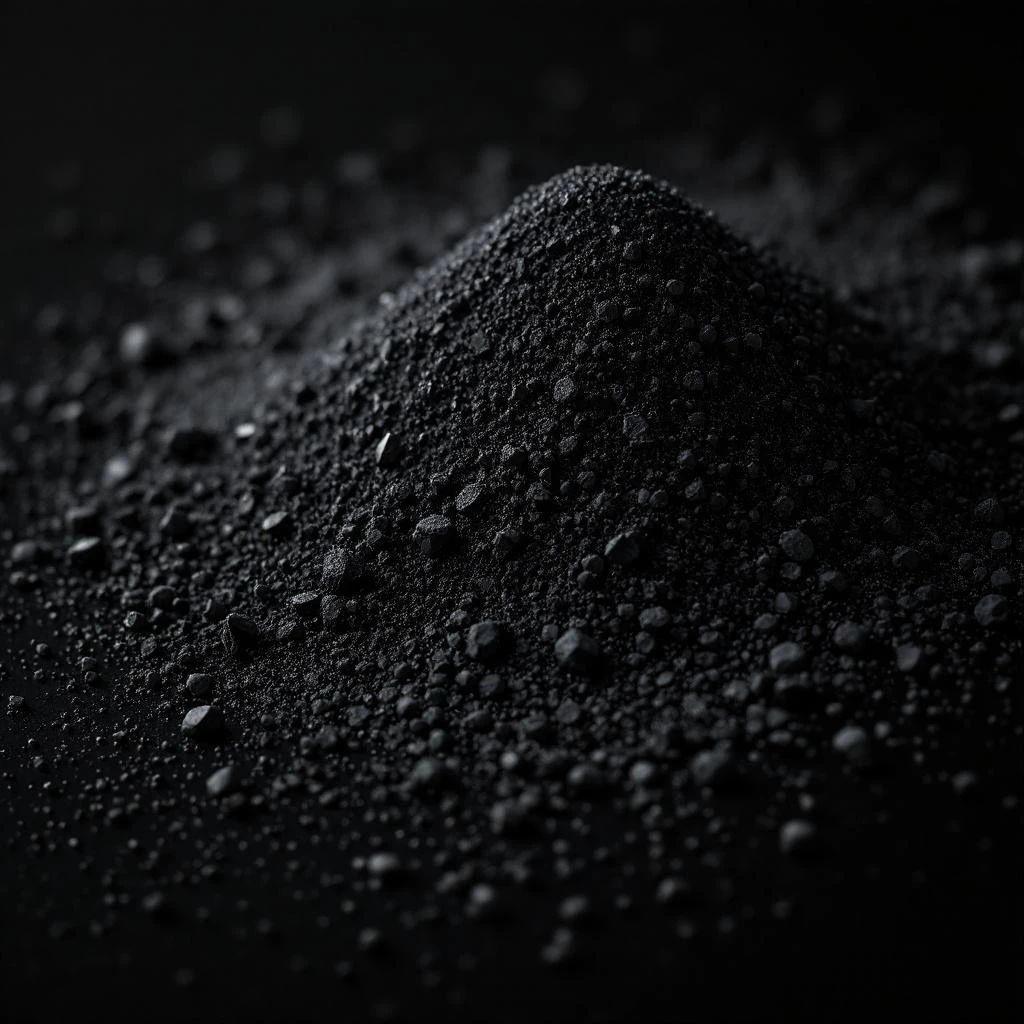
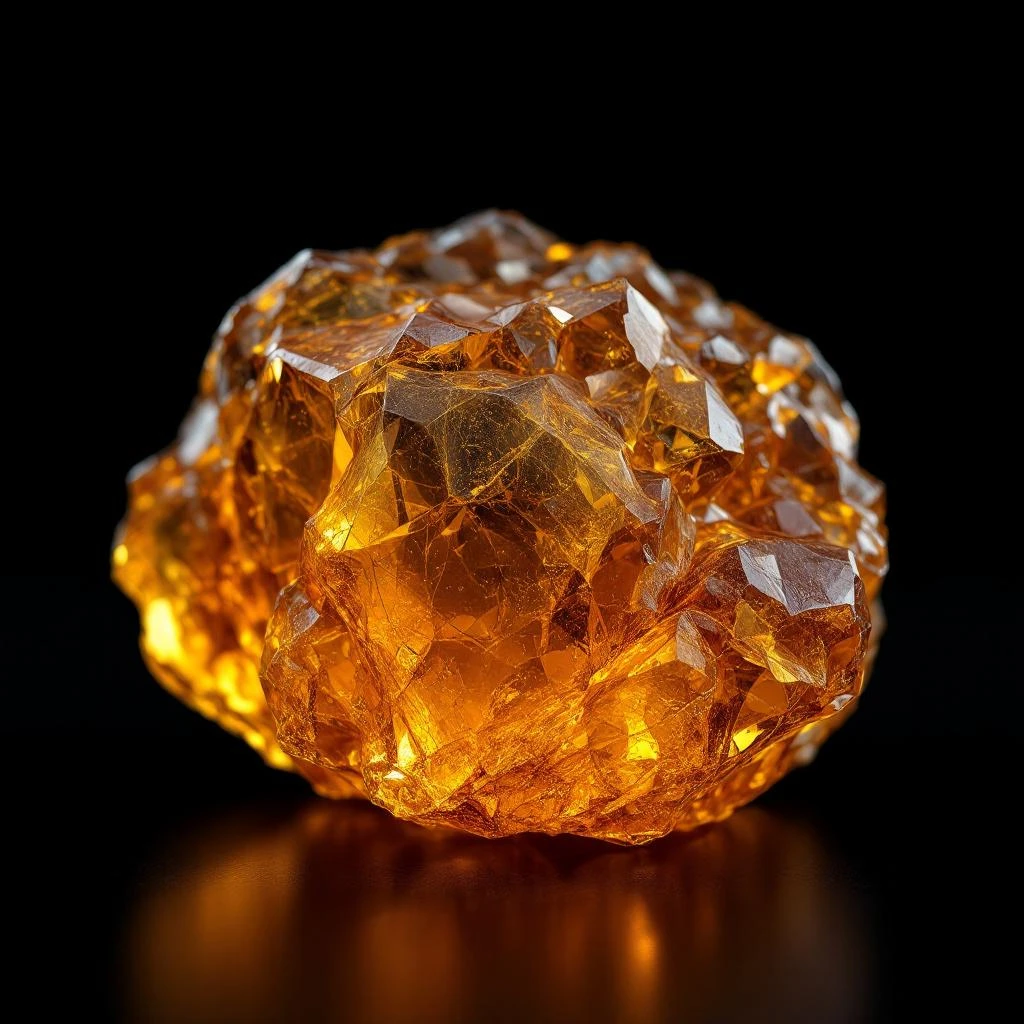
Salty notes capture the sharp, mineral edge of sea spray, delivering a crisp clarity that brightens and steadies aromatic blends, while hinting at the distant tide.

Character
How it smells
Mineral crispness that anchors any fragrance.
The first natural salty note appeared in a 2015 Symrise creation, where kelp extract provided a genuine marine mineral aroma without synthetic additives.









Origin
France
Salty impressions have lingered in human scent practices since antiquity. Egyptian embalming rituals mixed sea salt with aromatic resins to protect mummies, a technique recorded on papyrus dating to 1500 BC.
Greek poets praised the scent of brine on Mediterranean breezes, and Roman merchants traded dried seaweed as a luxury perfume ingredient. During the medieval period, Arab alchemists refined salt‑infused oils, noting their ability to sharpen floral bouquets.
The 19th‑century rise of organic synthesis pushed salty notes to the background, yet naturalists in the early 1900s revived marine extracts for their authentic mineral character. In 2015, a French house introduced the first commercial perfume built around a natural kelp CO₂ extract, marking a modern milestone that reconnects contemporary perfumery with its maritime roots.
Wears it best
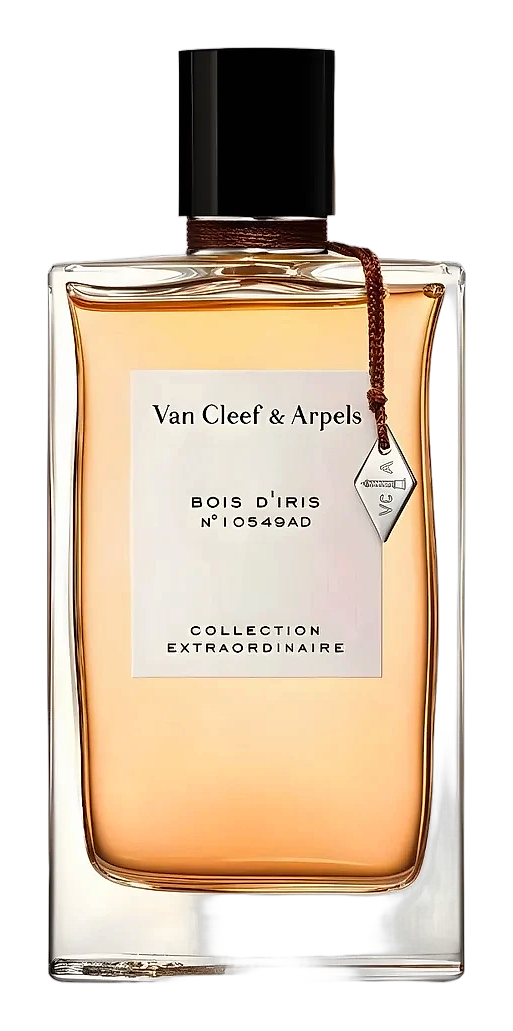
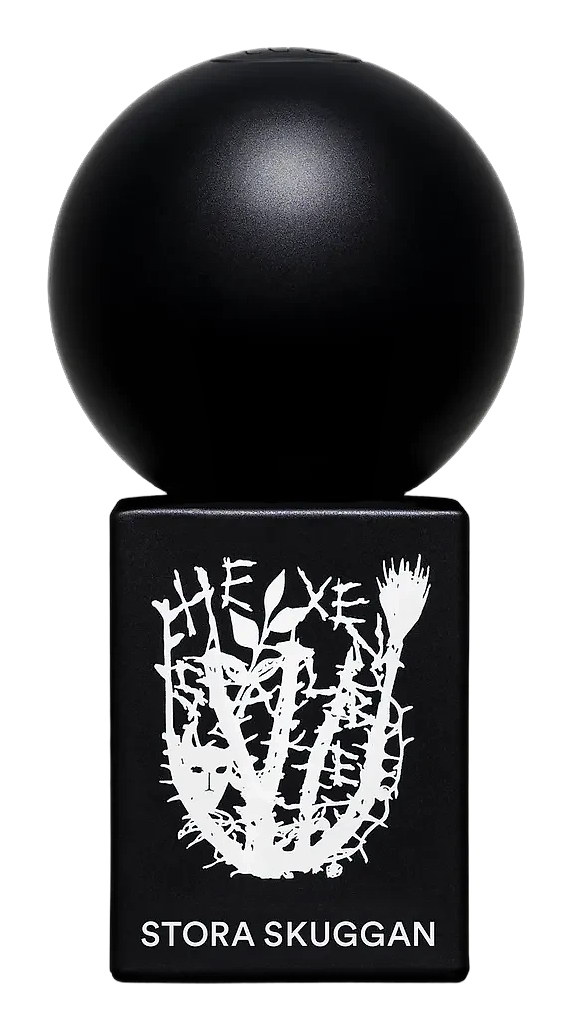
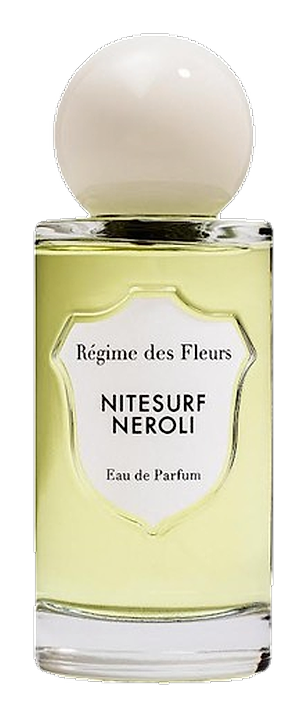
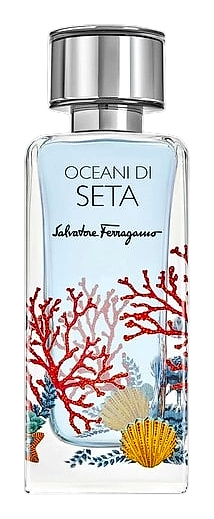
Fragrances featuring Salty Notes



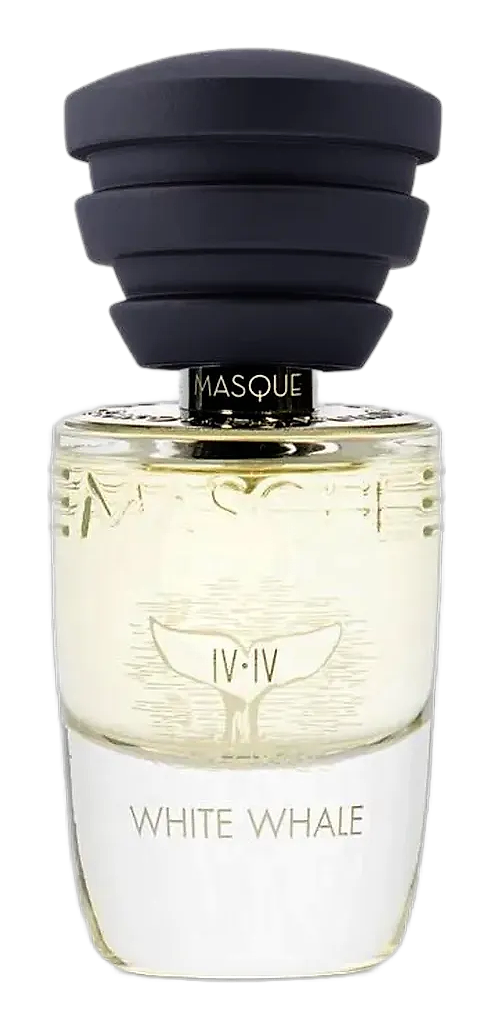
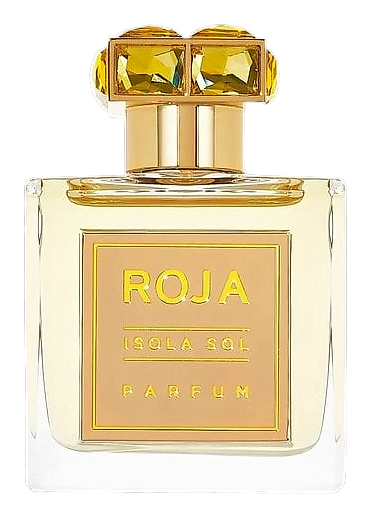
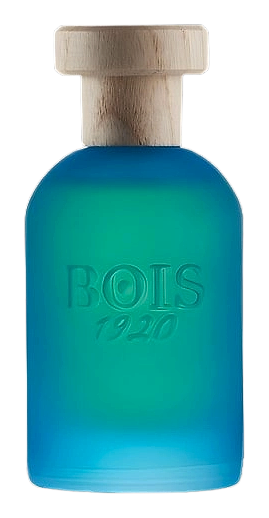

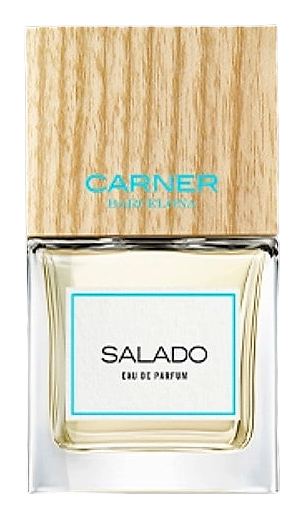
Brands
Brands known for Salty Notes
Good to know
Questions, answered
The essentials on Salty Notes in perfumery: how it smells, where it comes from, and how it behaves on skin.
What defines a salty note in perfumery?
A salty note adds a mineral, sea‑spray character that sharpens a fragrance. It mimics the scent of brine and coastal air; a 2020 study measured its perceived salinity at 0.35 on a 0‑1 scale for kelp CO₂ extracts.
How do natural salty ingredients differ from synthetic marine accords?
Natural salty ingredients derive from harvested seaweed or mineral salts, preserving trace minerals that synthetic molecules cannot replicate. In 2018, a comparative analysis showed kelp CO₂ extract contained 12 identified marine aldehydes absent in synthetic analogs.
Which natural sources provide the strongest salty impression?
Dried kelp fronds deliver the most pronounced briny scent, thanks to their high alginic acid content. A 2019 laboratory test recorded a 22‑point increase in perceived saltiness when using kelp CO₂ extract versus seaweed absolute. Perfume creators often pair it with citrus to balance its intensity.
Can salty notes cause skin irritation?
Salty notes rarely trigger irritation because they consist of non‑volatile mineral residues rather than reactive acids. Clinical data from 2021 recorded a 0.3% irritation rate among 1,200 test subjects using kelp‑derived accords. Patch‑testing remains standard practice for any new fragrance component.
How long does a salty note linger on the skin?
Salty notes fade within two to three hours, as their volatile compounds evaporate quickly. A 2022 skin‑surface study measured an average half‑life of 1.8 hours for kelp CO₂ extracts. Blending with base notes such as amber can extend its presence by up to an hour.
Are salty notes compatible with all fragrance families?
Salty notes blend well with fresh, citrus, and marine families, and they add contrast to warm woods or orientals. In a 2020 survey of 150 perfumers, 68% reported using salty accords in at least half of their summer collections. The mineral edge often highlights the brightness of floral accords.
What climate conditions produce the best seaweed for salty notes?
Cool, nutrient‑rich coastal waters yield seaweed with high mineral content, which translates to stronger salty aromas. A 2017 French coastal study recorded kelp harvested at 12°C water temperature contained 15% more alginic acid than samples from 18°C sites. Harvesters typically collect during early spring to capture peak freshness.
How do perfumers balance salty notes with sweetness?
Perfumers pair salty accords with natural sweet ingredients like vanilla bean or honey to create contrast without overwhelming the composition. A 2021 formulation report showed a 1:2 ratio of kelp extract to vanilla absolute produced a balanced marine‑sweet profile in a test batch.