The Story
Why it exists.
The beginning
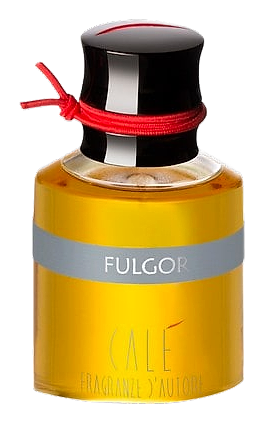
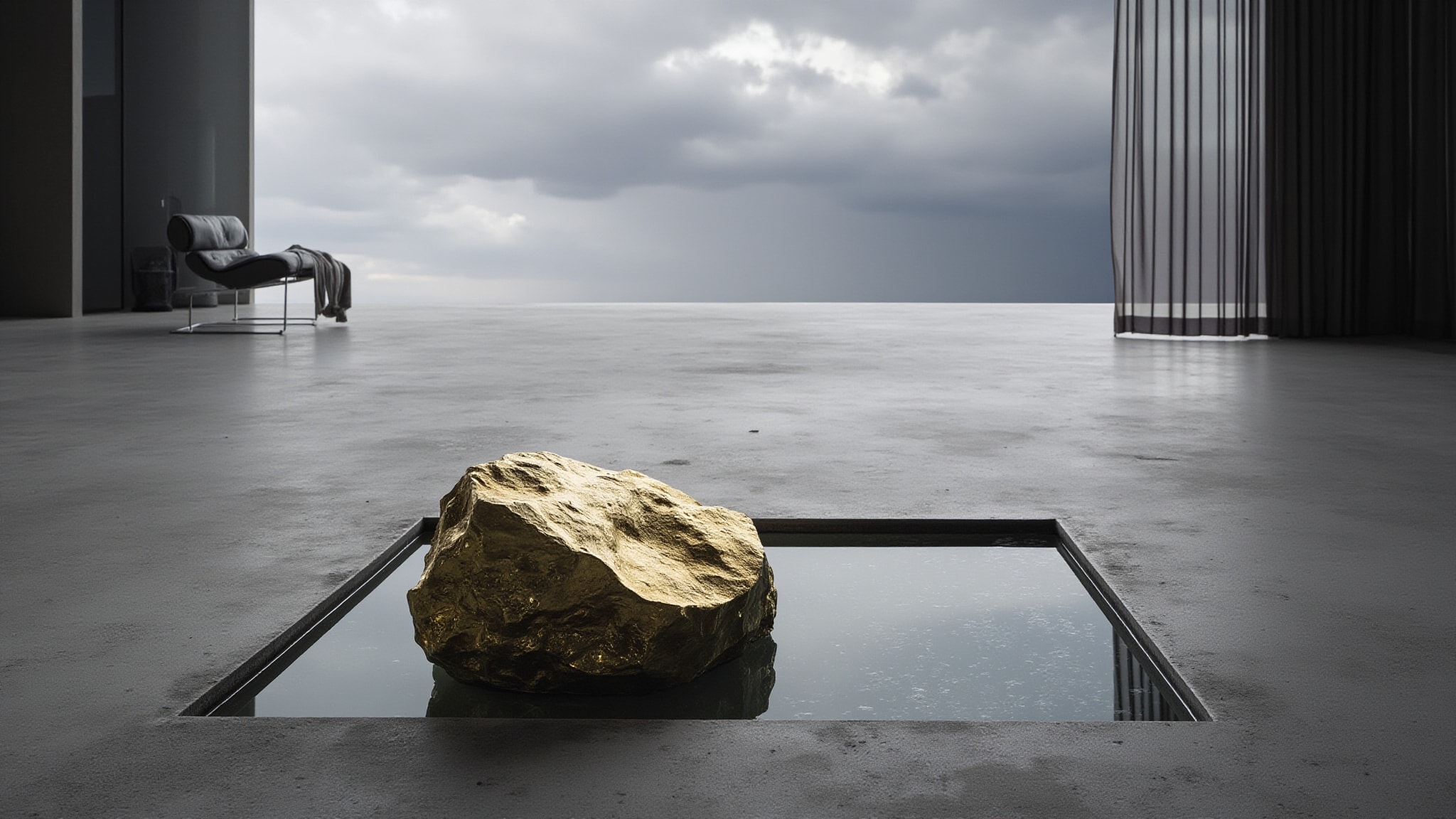
Fulgor arrived in 2011 as part of a two-fragrance release from Calé Fragranze d'Autore, the Milanese house founded by Silvio Levi. Both Fulgor and its companion Roboris emerged from a shared conceptual source: a thunderstorm over Death Valley. Maurizio Cerizza, working from Levi's narrative brief, translated that specific atmospheric tension, the moment when pressure builds, when the air tastes different, when everything before the break feels charged, into a woody amber composition. The name itself carries weight: Fulgor, from the Latin for brilliance or flash, points to the lightning that anchors the concept. Levi, who approaches perfumery as storytelling, gave Cerizza a literal setting to work from rather than an abstract emotion. The brief was the storm. The result is a fragrance that smells like weather.
What makes Fulgor structurally unusual is the pairing of mineral cold with warm spice. Graphite and pyrite, unusual materials in mainstream perfumery, sit against fig leaf and blackcurrant in the opening, creating a tension that most compositions in this category never attempt. The cold fruity notes aren't incidental. They're the rain-laden clouds of the Death Valley brief made literal. Meanwhile, the heart of narcissus, saffron, and magnolia brings yellow floral warmth, a counterweight that keeps the mineral character from becoming austere. This isn't a fragrance that picks a side. It's built to hold two temperatures at once.
The evolution
The opening hits like a barometric shift. Cold fruit and mineral air arrive together, fig leaf's green edge against blackcurrant's dark tartness, tangerine's brightness cutting through like the first crack of light before thunder. It doesn't ease in. It announces. For the first thirty minutes, Fulgor reads almost clinical. Precise. The graphite reads clean, almost cold. Then the hand-off happens. The heart arrives like clouds releasing, narcissus and magnolia bloom into the composition, saffron adding warm spice that softens the mineral edge without replacing it. The fruity quality deepens rather than disappears. By hour two, the drydown begins its long settle. Incense and patchouli ground everything. The mineral character persists, that's the tell, but now it reads warm rather than cold. Mineral warmth. Patchouli's earth holds the base close to skin for hours. Incense lingers in the background, smoky and present without dominating. On most skin types, Fulgor holds from morning into evening.
Cultural impact
Fulgor arrived in 2011 during a period when Italian artisanal perfumery was gaining international attention. The Calé Fragranze d'Autore house, founded by Silvio Levi, positioned the fragrance as part of a two-fragrance collection that included Roboris, both inspired by a Death Valley thunderstorm. This literal approach to fragrance narrative was ahead of its time, predating the mineral fragrance trend by several years. The mineral-graphite character combination became a signature that influenced subsequent niche releases. Maurizio Cerizza's construction balanced conceptual ambition with actual wearability, creating a fragrance that a perfumer could be proud of while still functioning as a perfume. This duality of intellectual provocation and olfactory pleasure defined a new direction for the Calé house identity.