Tangerine
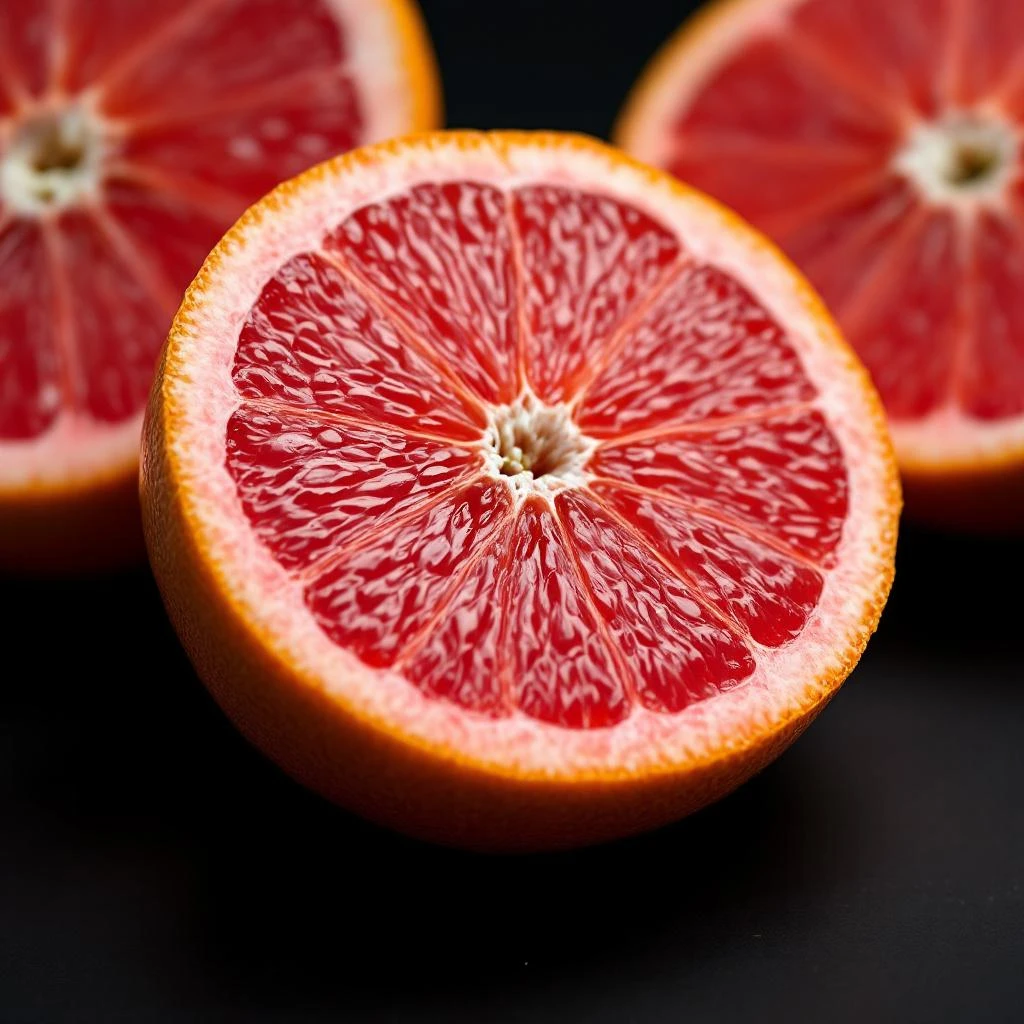
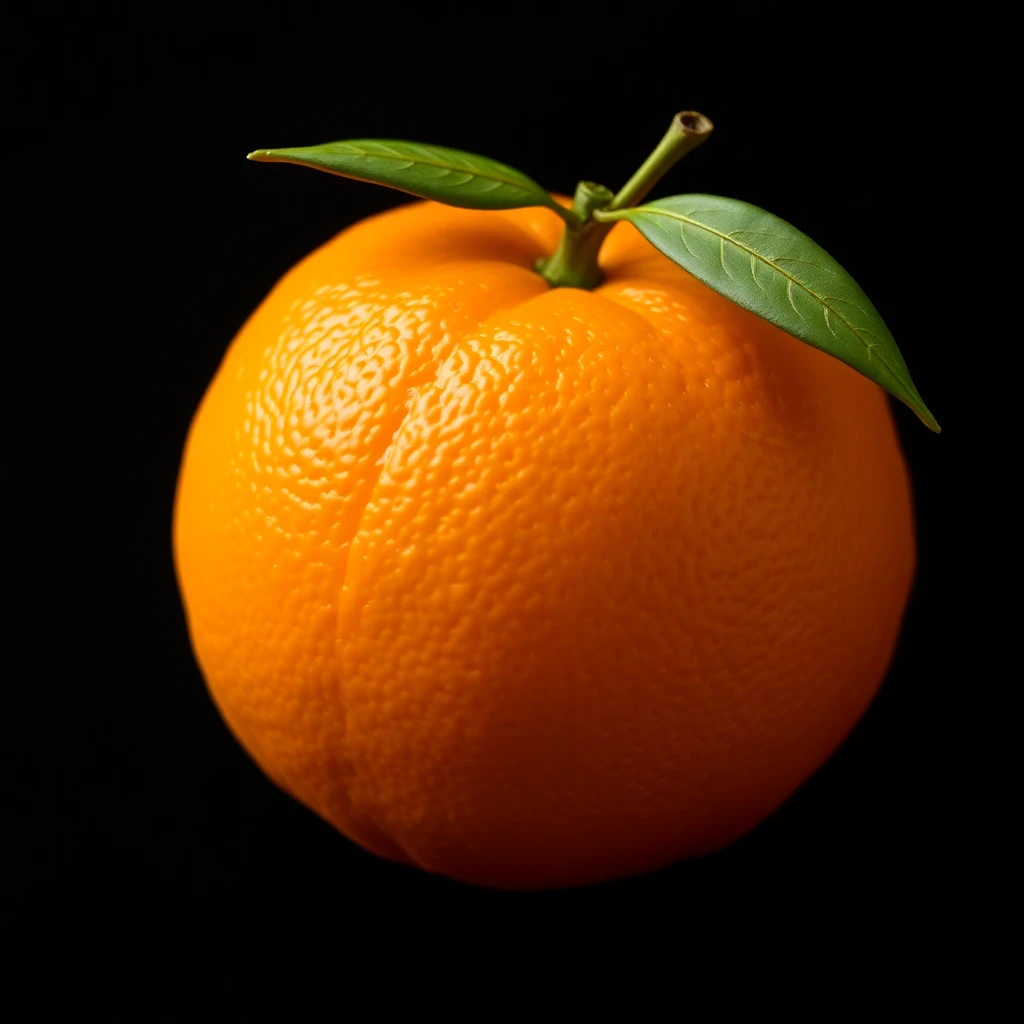
Tangerine brings a sun-drenched brightness to fragrance. Its peel yields an essential oil that captures the fruit's sweet, zesty character in a way that feels both uplifting and intimately familiar.
Character
How it smells
Sweet citrus with a sun-ripened warmth.
The name 'tangerine' comes from Tangier, Morocco, where European traders first encountered the fruit and gave it its now-iconic name.









Origin
Southeast Asia
Tangerine cultivation began in Southeast Asia thousands of years ago, with evidence of citrus growing in Chinese gardens dating to 3000 BCE. The fruit gradually spread westward along ancient trade routes, carried by merchants who valued it for both sustenance and its aromatic properties.
The name 'tangerine' emerged in the 19th century, derived from Tangier, Morocco. European traders first encountered the bright orange fruit at this Mediterranean port and began associating it with the city. The name stuck, though the fruit itself traveled from much farther east.
Spanish and Portuguese explorers carried tangerines to the Mediterranean and eventually to the Americas, where California and Florida became major producers. The fruit's portable nature and pleasant scent made it valuable for trade, and enterprising growers developed specialized cultivars suited to different climates.
Perfumery adopted tangerine oil as citrus materials became more systematically extracted in the 19th century. Its softer, sweeter character compared to bitter orange made it particularly useful in creating approachable, bright fragrance compositions. Today it remains a staple top note, valued for its immediate warmth and broad appeal.
Wears it best
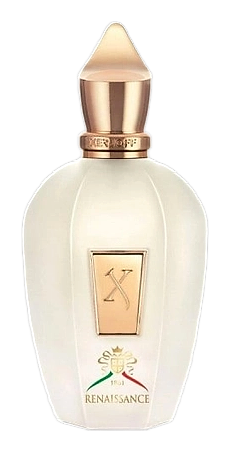
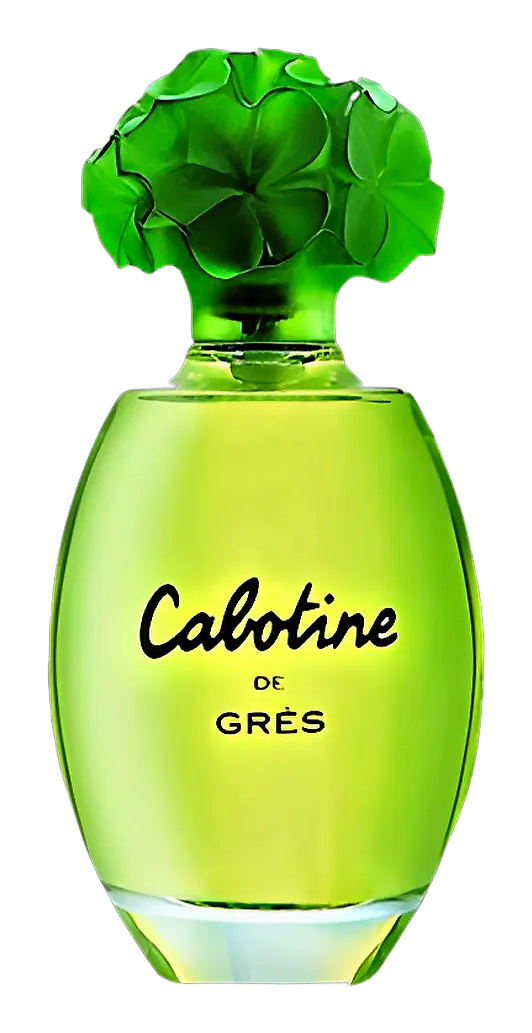
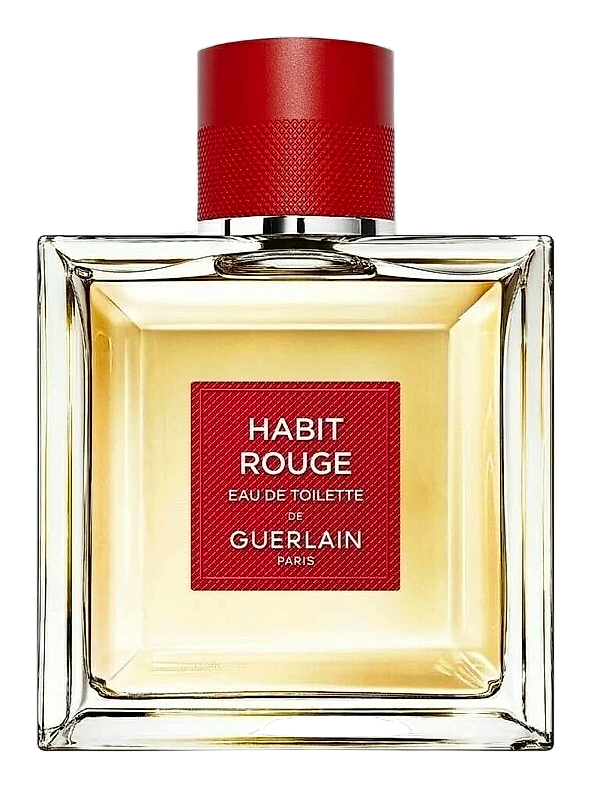
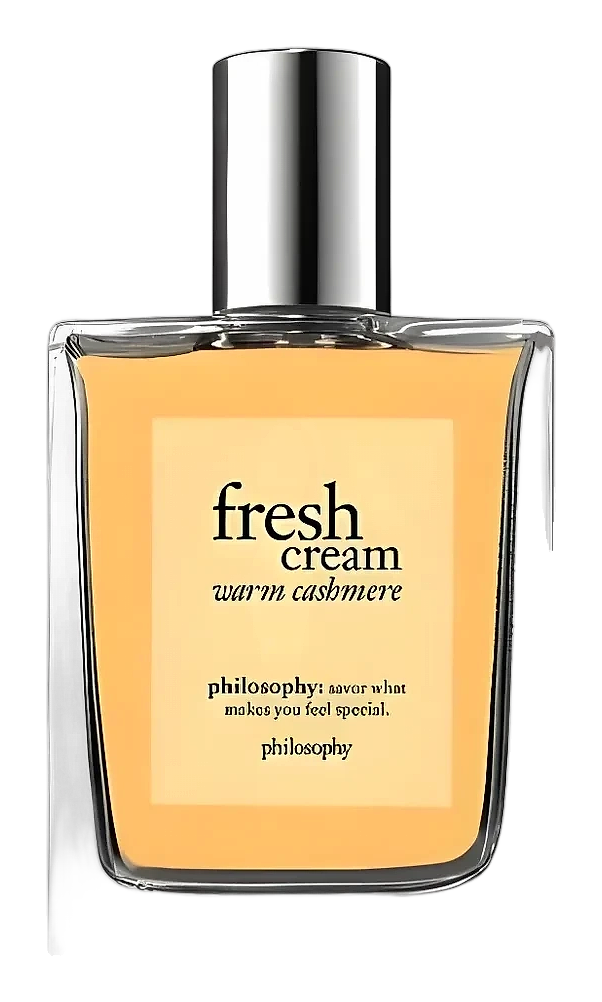
Fragrances featuring Tangerine



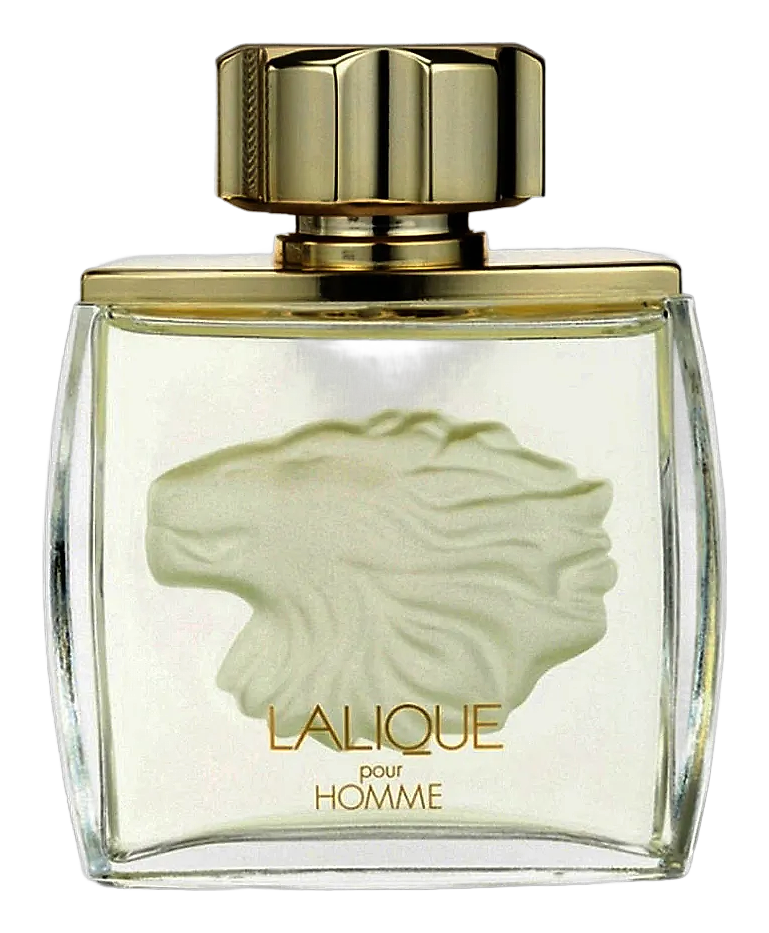
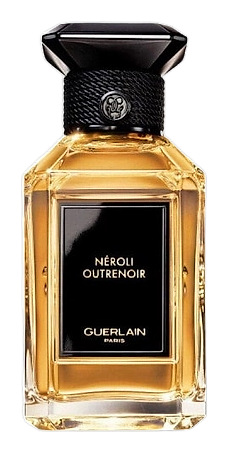

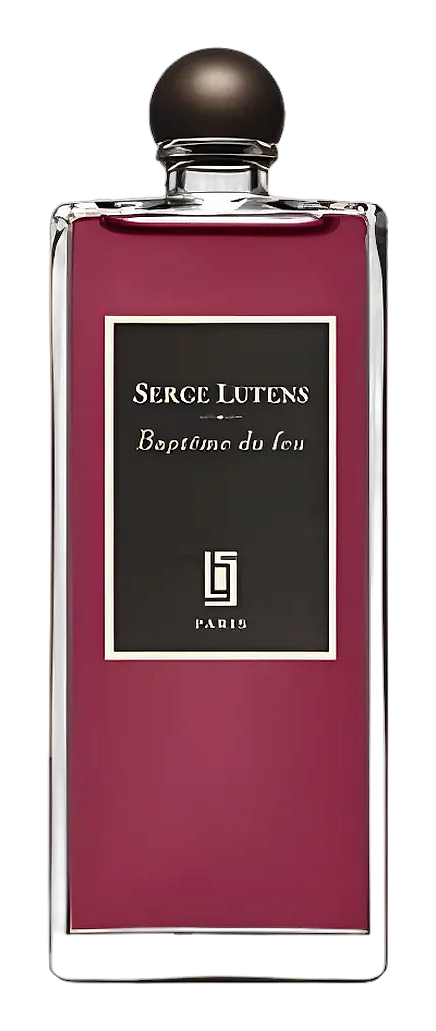
Brands
Brands known for Tangerine
Good to know
Questions, answered
The essentials on Tangerine in perfumery: how it smells, where it comes from, and how it behaves on skin.
What does tangerine smell like in perfume?
Tangerine smells fresh, sweet, and slightly floral. Its scent has a bright citrus character with less sharpness than lemon or grapefruit, balanced by warm, almost berry-like undertones. The overall impression reads as sunny and inviting.
How is tangerine essential oil extracted?
Tangerine oil is extracted through cold pressing the fruit peel. Workers puncture the outer rind and mechanically press it to release oils trapped in cellular glands. This heat-free method best preserves the delicate aromatic compounds responsible for tangerine's characteristic scent.
Is tangerine oil natural or synthetic?
Natural tangerine oil exists and is widely used in perfumery. It comes from Citrus reticulata peel via cold pressing. However, synthetic alternatives like nootkatone (a compound isolated from grapefruit) can replicate aspects of tangerine's scent at lower cost and with better consistency.
What fragrance families pair well with tangerine?
Tangerine works exceptionally well with other citruses like bergamot and lemon, creating bright, effervescent compositions. It also pairs beautifully with florals, adding warmth to jasmine and neroli. In woody bases, it provides an uplifting contrast to sandalwood and cedar.
Where does the best tangerine oil come from?
Major producing regions include Brazil, Italy, and the United States (Florida and California). Each region produces oil with slightly different character due to climate, soil, and cultivar differences. Brazilian oil tends toward higher sweetness, while Italian oil often shows more floral complexity.
What role does tangerine play in perfume composition?
Tangerine typically functions as a top note, creating immediate brightness upon application. It acts as an inviting opening that draws attention and sets emotional tone. In perfumery, it also serves to soften or round sharper citrus materials, adding warmth and approachability to compositions.
Does tangerine oil have a short shelf life?
Tangerine oil oxidizes relatively quickly due to its high limonene content and thin peel oil composition. Unopened cold-pressed oil lasts roughly 1-2 years, while opened bottles may degrade within months. Storing in cool, dark conditions extends usability.
Can tangerine cause skin reactions?
Tangerine oil carries some skin sensitization risk, primarily from furanocoumarins in cold-pressed versions. Phototoxicity is possible with some extracts if applied before sun exposure. Most perfumers use bergapten-free or distilled versions for skin-contact applications.