
The Story
Why it exists.
The beginning
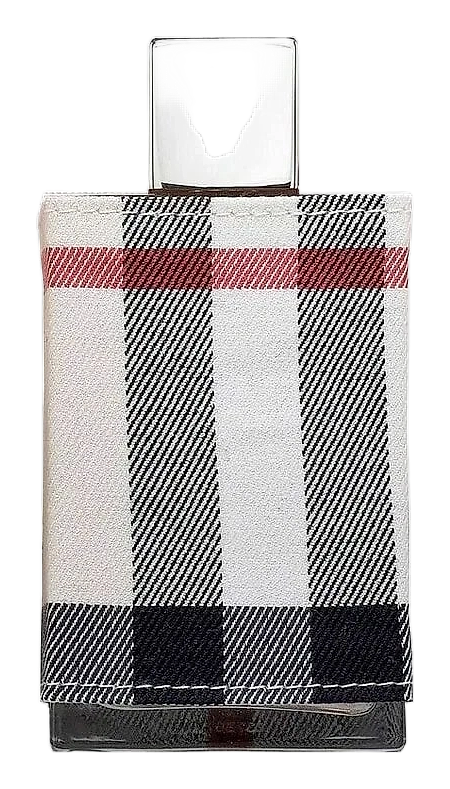
London arrived in 2018 as English Laundry's love letter to the city that built the brand's name. It was designed around the feeling of walking London's streets, capturing the city's character beyond the postcard version. The fragrance draws from London's distinctive atmosphere, its blend of elegance and edge, tradition and modernity that make the city feel both timeless and alive. The inspiration is right there in the fragrance's own DNA: the beauty and majesty of London, the way the city feels both familiar and surprising at the same time.
What makes London unusual in its price bracket is the ambergris. It's not a common heart note, it adds a maritime depth that most fragrances in this range skip entirely. Pair that with juniper, and you've got something that reads like a gin and tonic left out in the evening air, herbal and cool before the warmth of vanilla and oakmoss settles in. The blackberry doesn't hurt either. It's the note that keeps the whole thing from feeling like a heritage recreation, it's fruity in a way that feels modern, almost urban, like the fruit stall at Borough Market at seven in the morning.
The evolution
The opening hits like a door opening onto a busy street. Pineapple, blackberry, apple, all three arriving at once, sweet and bright and slightly tart. The juniper comes in fast, within minutes, shifting the conversation from fruit to something more herbal, more grounded. The patchouli doesn't wait either, it's there before the top notes fully fade, earthy and present, the scent of damp soil after rain. The drydown is where London earns its name. Oakmoss and musk settle close to the skin, clean and quiet, the kind of scent that someone notices only when they're standing close enough to say something. As the fragrance develops, the oakmoss and musk create a refined base that maintains presence without overwhelming, eventually giving way to a subtle warmth that extends the wear comfortably.
Cultural impact
London has found its audience among those who want a daily fragrance that doesn't announce itself. It's not a statement scent, it's the one you reach for when you want to smell good without thinking about it. The fragrance achieves a fruity-woody character that feels both sophisticated and accessible, the kind of scent that lives in rotation rather than on a shelf. It's designed for everyday wear, offering a pleasant presence that adapts naturally to different situations.