The Story
Why it exists.
The beginning
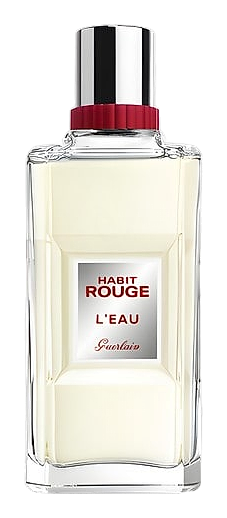
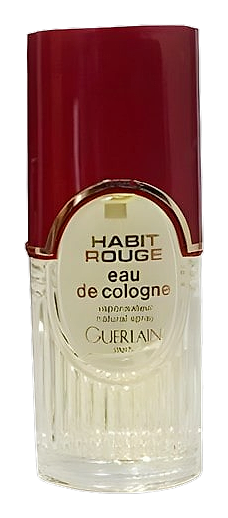
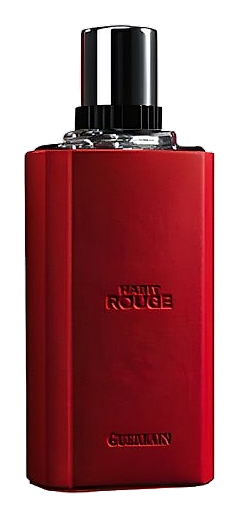
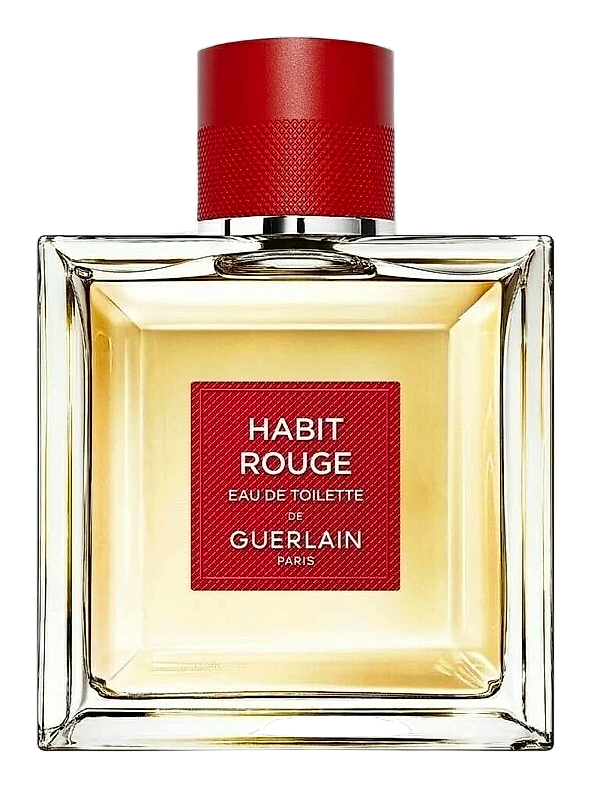
Guerlain, founded in Paris in 1828, has spent nearly two centuries refining the art of perfumery. Habit Rouge takes its name from the red jackets worn by mounted cavalry riders, the Habit Rouge, and arrived in 1965 as the first amber fragrance crafted for men. It was a bold statement, a fragrance that refused to be polite. Jean-Paul Guerlain designed it to carry the weight of heritage and the spirit of something daring, something worn by men who commanded attention simply by entering a room. The 1988 Eau de Toilette iteration offered a different entry point: the same bold intent but with a fresher, more citrus-forward beginning.
The note structure in Habit Rouge EDT reflects a philosophy of contrast and balance. Green lemon and bitter orange provide the initial sharpness, setting an energetic tone. Patchouli grounds that energy with its earthy depth, creating a middle ground between brightness and darkness. Vanilla, benzoin, and leather in the drydown provide warmth and texture, allowing the fragrance to settle into something lasting and personal. This structure pairs the green citrus with patchouli to bridge freshness and earthiness, then anchors the experience with the warmth of vanilla and benzoin softened by the tactile quality of leather.
The evolution
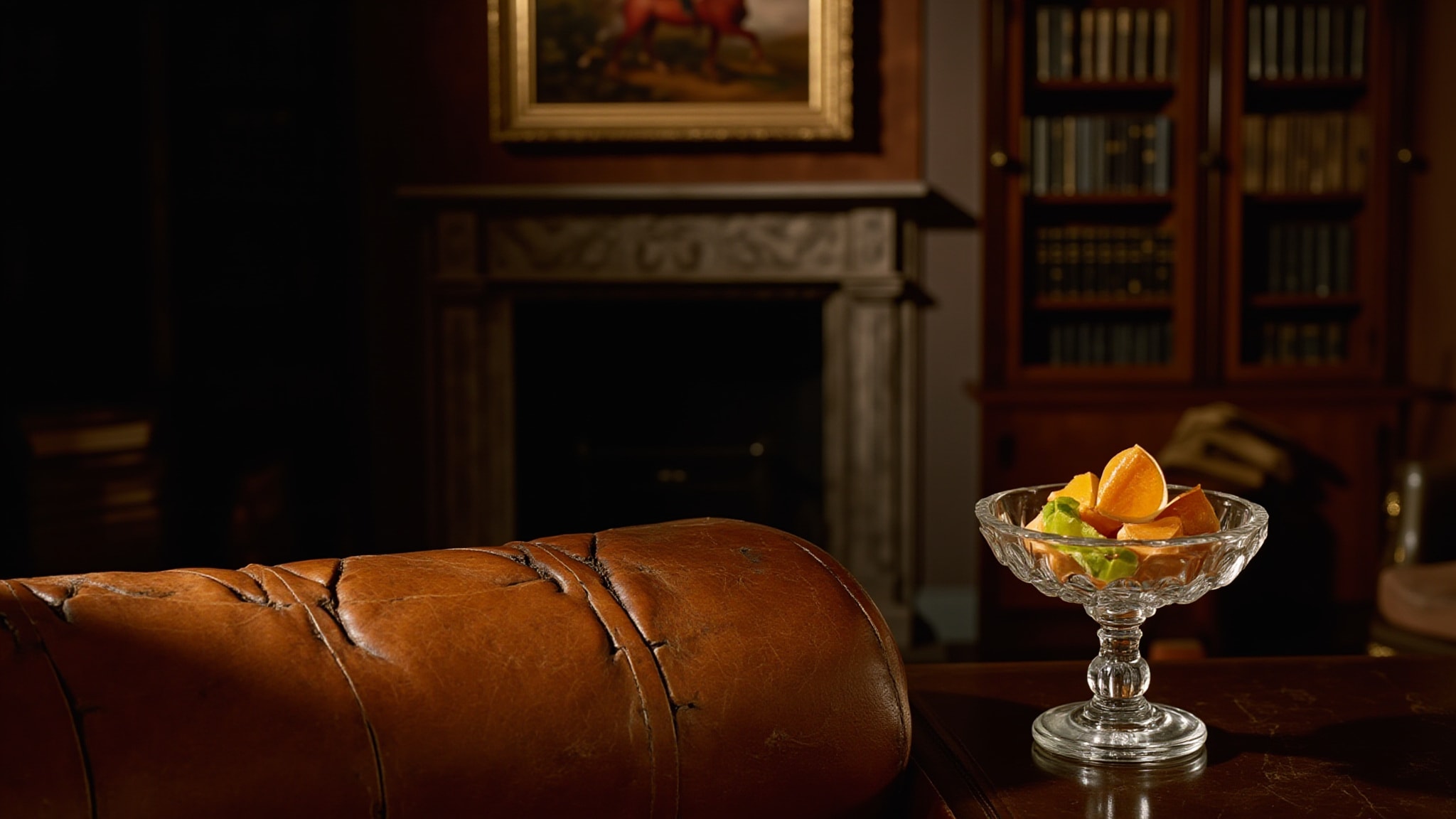
Habit Rouge EDT begins with green lemon and bitter orange, a sharp and immediate opening that feels both invigorating and commanding. This citrus brightness serves as the entrance, the first impression that sets the tone. Within the heart, patchouli takes over, shifting the fragrance from bright to earthy, adding a grounded complexity that feels authentic and rooted. As the drydown arrives, vanilla and benzoin introduce a warm resinous quality while leather asserts a dry, structured finish. This arc moves from crisp to earthy to warm, creating a narrative that feels complete and deliberate, each stage building on what came before.
Cultural impact
Habit Rouge has endured as a reference point for masculine amber compositions. Wearers describe it as the scent of someone who walks into a room and does not need to announce themselves. The 2003 reformulation softened some of the sharper edges without diluting what made it work. It remains a touchstone for anyone building a wardrobe of classic masculine fragrances.