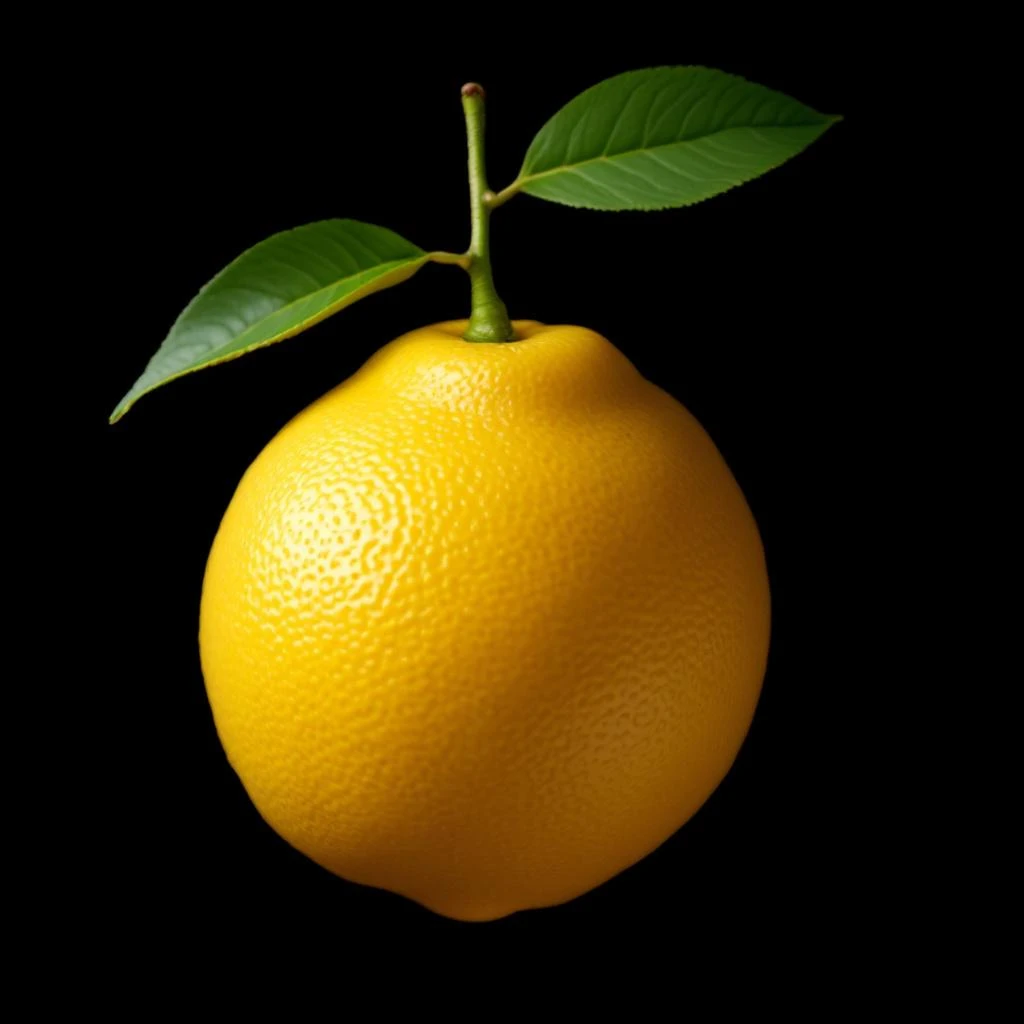
Green lemon
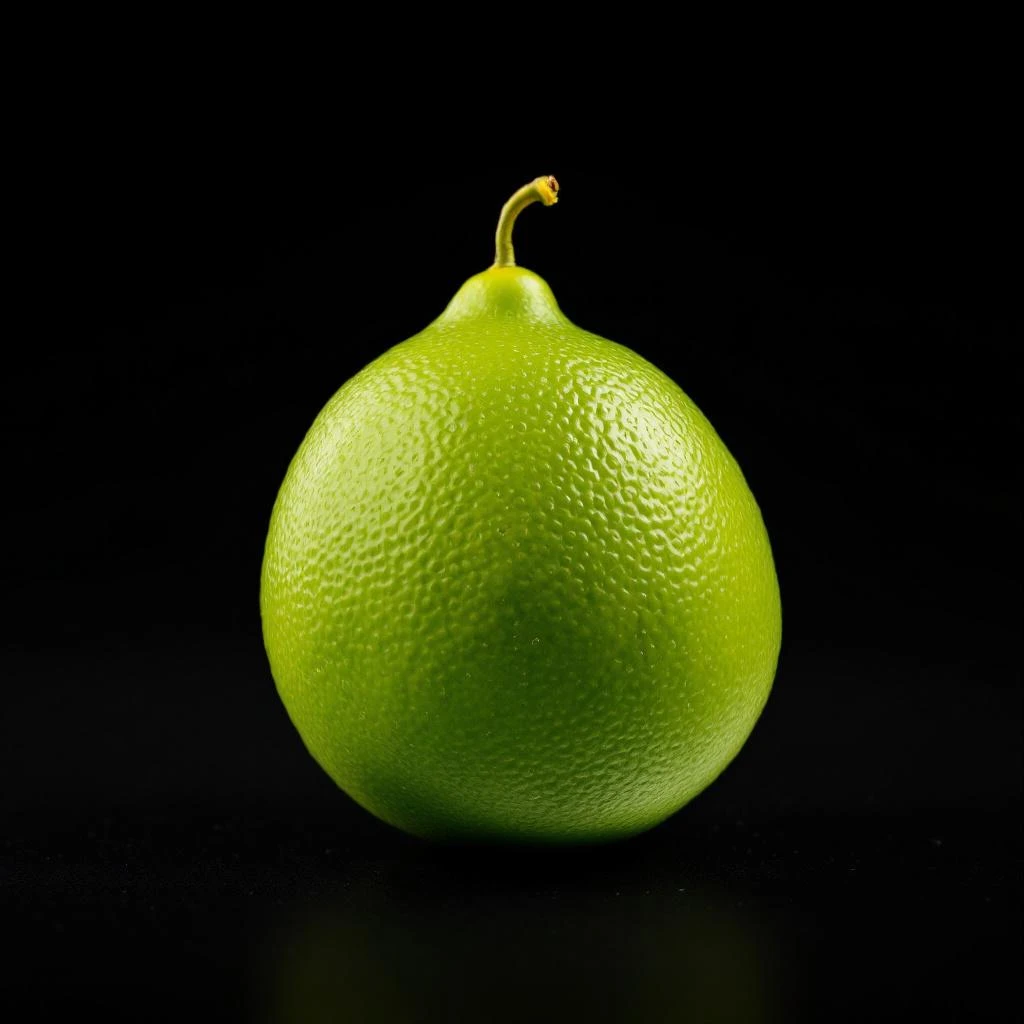
Green lemon captures the sharp, electric brightness of unripe citrus fruit. Its acidic tang and vegetal bitterness give fragrances an immediate, mouth-watering lift that feels alive on the skin.
Character
How it smells
Voltage in a peel
Green lemon aroma in perfumery often comes from specific compounds like limettin and bergapten found in the unripe peel, not the juice.








Origin
Italy
Citrus has anchored perfumery since antiquity. In ancient Egypt and Mesopotamia, the peel of unripe citrons appeared in incense blends and ritual unguents as early as 1500 BCE. Greek physicians documented citrus oils for medicinal purposes by the fourth century BCE, and Arab chemists perfected steam distillation of aromatic plants during the medieval period, though citrus remained primarily expressed rather than distilled.
Persian lime, a green lemon relative, spread westward along Mediterranean trade routes, becoming a perfumery staple by the sixteenth century. The modern perfume industry, which crystallized in Grasse between the sixteenth and nineteenth centuries, used local citrus peel to fix and brighten heavier compositions. When synthetic chemistry emerged around 1900, chemists isolated citral, limonene, and other aldehydes from citrus oils.
These isolates allowed perfumers to reconstruct the sharp, unripe citrus accord with precision, giving rise to modern green lemon notes in classic colognes and eaux de toilette.
Wears it best
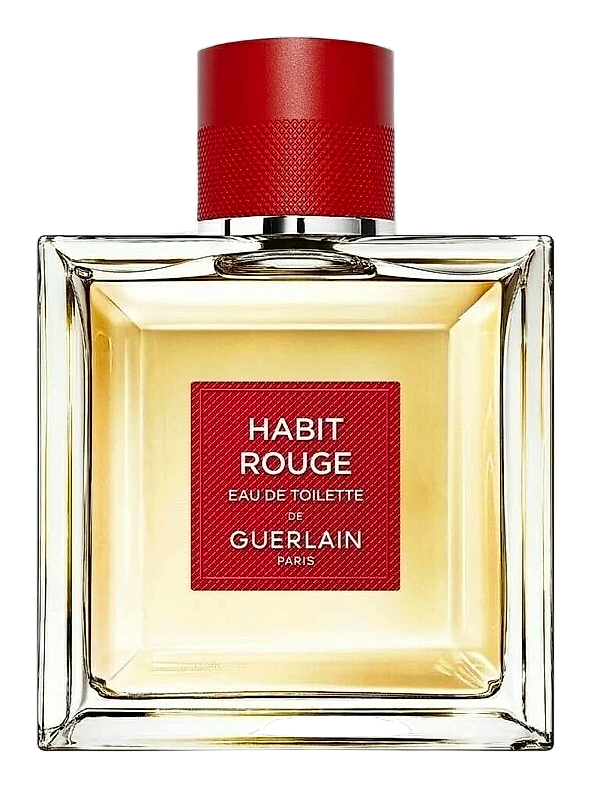
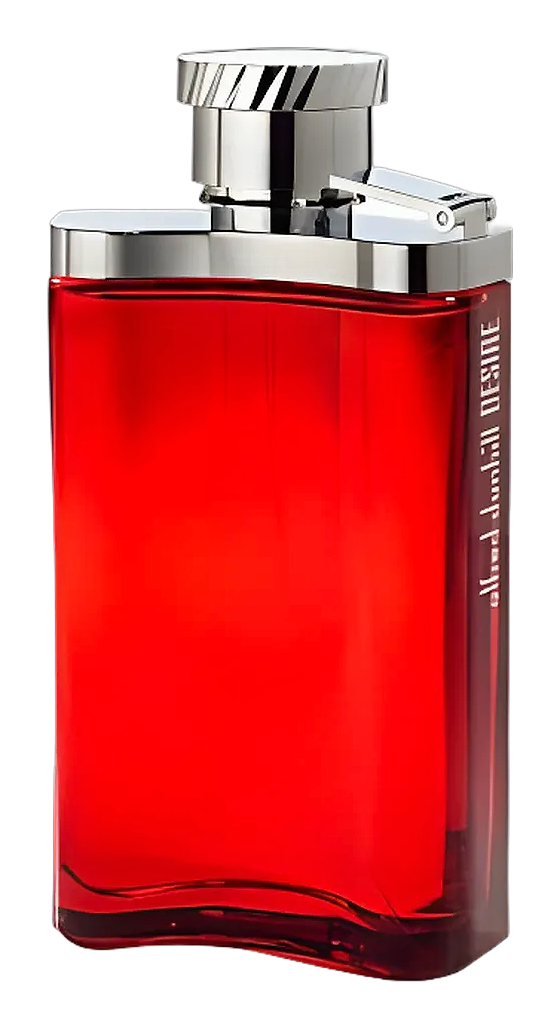
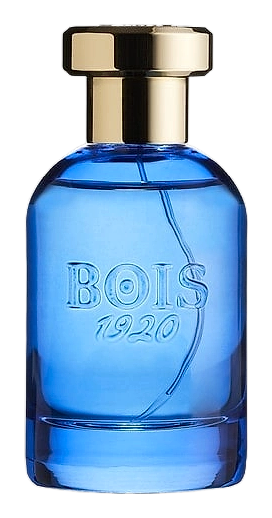
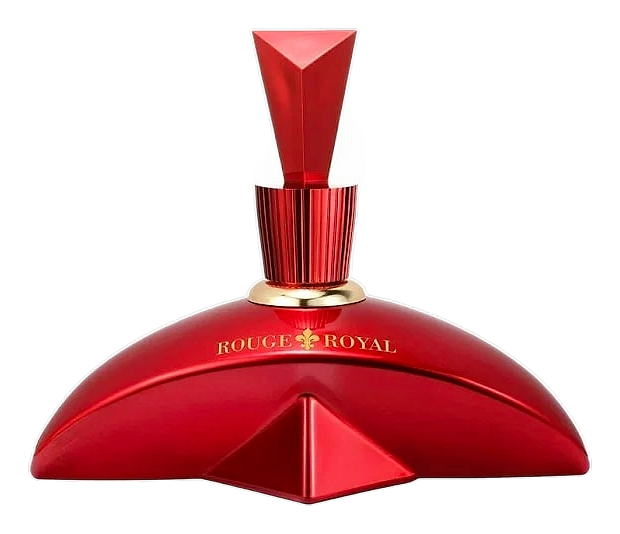
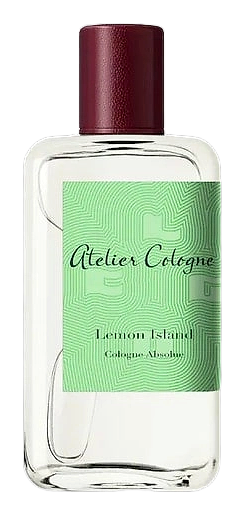
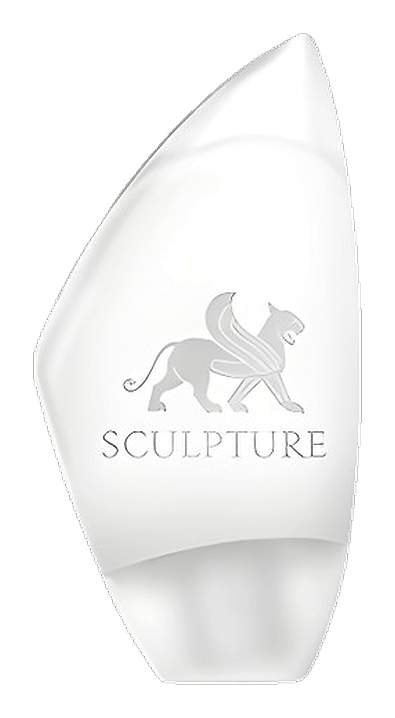
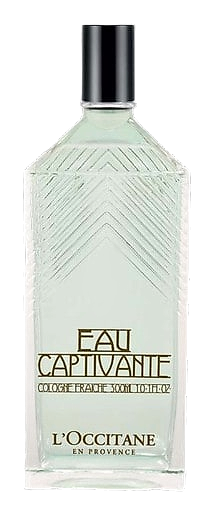
Fragrances featuring Green lemon

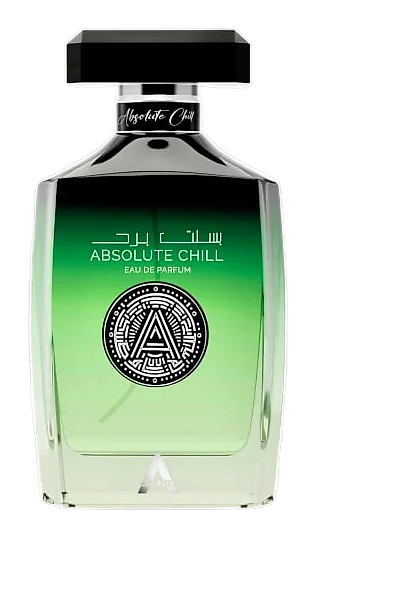
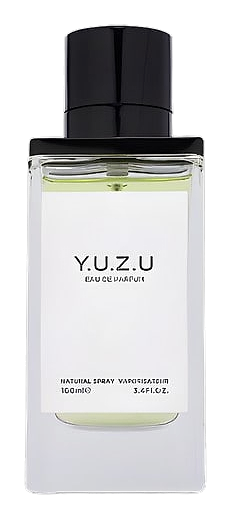
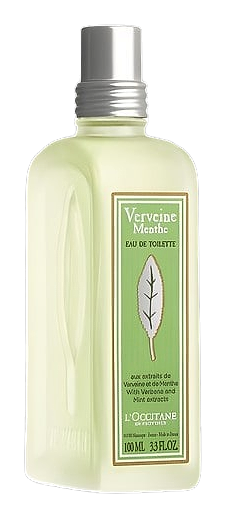
Brands
Brands known for Green lemon
Good to know
Questions, answered
The essentials on Green lemon in perfumery: how it smells, where it comes from, and how it behaves on skin.
What does green lemon smell like in perfume?
Green lemon smells sharper and more acidic than ripe lemon, with a metallic tang and vegetal bitterness. It adds an immediate, mouth-watering brightness rather than the sweeter, rounder scent of mature citrus peel.
Is green lemon a natural or synthetic note?
Green lemon can be either. Natural cold-pressed oil from unripe or specific green-skinned citrus varieties exists, but perfumers frequently reconstruct the note using isolates like citral and specific furocoumarins for consistency.
How is green lemon oil extracted?
Green lemon oil is extracted by cold expression. The fresh peel is mechanically pressed or abraded to rupture the oil glands, then the released liquid is separated by centrifugation. Heat is avoided to preserve delicate aldehydes.
What is the difference between green lemon and regular lemon?
Regular lemon oil comes from fully ripe yellow fruit and has a sweeter, rounder profile. Green lemon refers to unripe fruit or specific green-skinned varieties, producing a more acidic, slightly bitter, and vegetal character.
Is green lemon a top, heart, or base note?
Green lemon is a top note. Its volatile aldehydes evaporate within minutes, providing the first burst of brightness in a composition before fading into heart and base notes.
Why is green lemon popular in cologne?
Green lemon provides an electric, uplifting freshness that defines the classic eau de cologne structure. Its acidity cuts through heavier materials and creates the clean, sharp opening associated with traditional Mediterranean colognes.
Does green lemon oil contain allergens?
Yes. Green lemon oil contains limonene, citral, and furocoumarins such as bergapten. EU regulations require these to be listed on cosmetic labels when concentrations exceed specified thresholds, particularly for leave-on skin products.
Where is green lemon primarily cultivated for perfumery?
Green lemon for perfumery is primarily cultivated in southern Italy, especially Sicily and Calabria. Mexico, Brazil, and parts of West Africa also produce significant quantities of green-skinned citrus for the fragrance industry.