
The Story
Why it exists.
The beginning
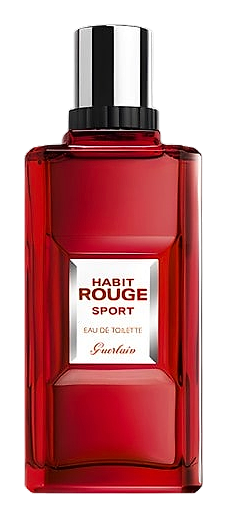
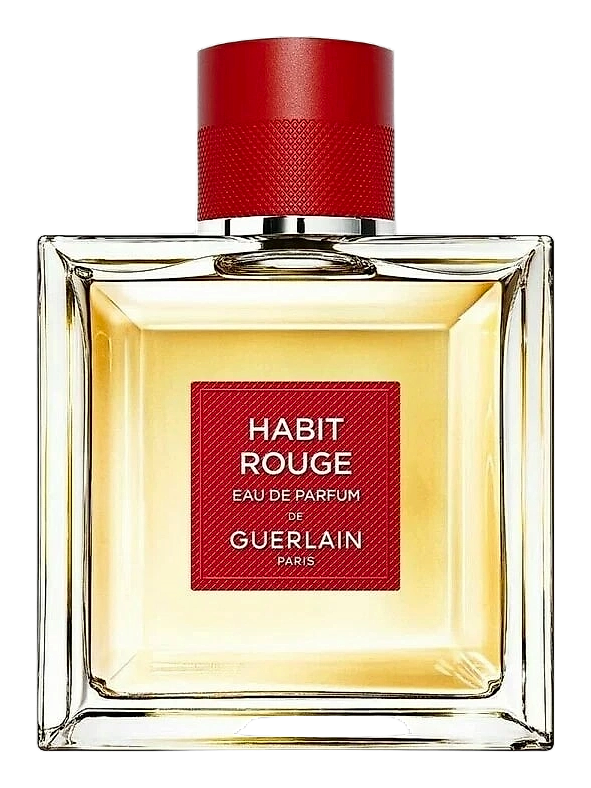
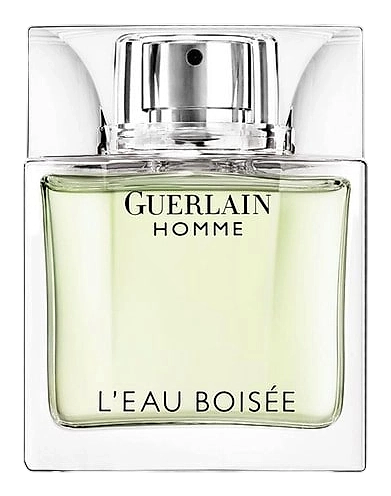
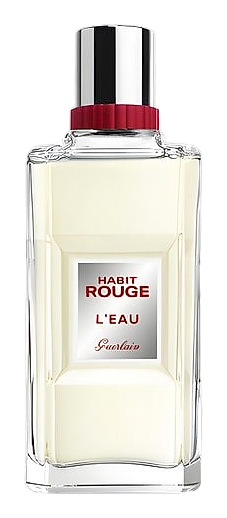
In 2011, Thierry Wasser revisited Guerlain's most iconic masculine creation, Habit Rouge, first worn in 1965, with a single directive: make it fresher. More luminous. But keep the soul. The original Habit Rouge had long been a declaration, its amber warmth announcing itself before the wearer spoke. This new composition needed to arrive differently. Immediate. Bright. The kind of scent that reads like sunlight, not candlelight. The original Habit Rouge was built around bold citrus and rich warmth, a combination that had defined masculine elegance for decades. L'Eau would honor that legacy by taking a different approach, amplifying the citrus, letting the hazelnut bridge what came before and what remained. A sequel, not a replacement.
The choice to build Habit Rouge L'Eau around bitter orange and hazelnut, rather than a sharper citrus, reveals a deliberate rethinking of what freshness means at Guerlain. Bitter orange carries a rounder, almost floral citrus quality, less zing, more whisper. Hazelnut adds a subtle nuttiness that brings warmth to the opening, keeping it from feeling too bright or fleeting. Jasmine, present in both versions, becomes the thread that ties everything together, it's what makes Habit Rouge L'Eau feel like Habit Rouge even when the surface details have changed.
The evolution
The opening arrives quietly. Bright citrus that doesn't prick, bitter orange made approachable, hazelnut lending a soft warmth that keeps it from sharpening. This is the fragrance announcing itself. Then the jasmine arrives, taking over the heart like someone who didn't need to prove anything in the first place. It stays there. For hours, the white floral sits at the center, unhurried, elegant, refusing to compete. When vanilla finally arrives in the base, it doesn't overwhelm. It complements. Patchouli adds its earthy depth, and the drydown settles into something warm and powdery that lingers on skin. On fabric, shirt collar, sweater sleeve, it leaves a gentle trace. This is a fragrance that knows when to speak and when to simply be present, shifting through its stages with a natural ease that feels unhurried and confident.
Cultural impact
Habit Rouge L'Eau offers a different take on a classic masculine theme. Newcomers curious about the house find this version approachable where the original might feel heavy. Habit Rouge devotees appreciate it as the flanker that doesn't betray the source material, it keeps the jasmine, keeps the vanilla, but lightens the load. The composition brings together citrus brightness with floral heart notes and warm base elements in a way that feels both contemporary and rooted in tradition.
The House
GuerlainGuerlain stands as one of the oldest and most revered perfume houses in the world, founded in Paris in 1828 by Pierre-François-Pascal Guerlain. What began as a boutique on rue de Rivoli quickly became the preferred destination for Parisian society, attracting dandies and elegant women who sought custom-crafted fragrances. The house's influence grew to such heights that Guerlain earned the title of Official Perfumer to Napoleon III after presenting Eau de Cologne Impériale to Empress Eugénie as a wedding gift in 1853. This royal patronage marked the beginning of Guerlain's enduring association with European aristocracy, as the house went on to create fragrances for Queen Victoria and Queen Isabella II of Spain. Today, under the creative direction of Thierry Wasser, the fifth-generation perfumer, Guerlain continues to shape the landscape of fine fragrance with a portfolio spanning over 1,100 olfactory creations. The house remains headquartered at its legendary Champs-Élysées mansion, a historic monument that anchors Guerlain's position at the intersection of heritage and contemporary luxury.
The Creator
Thierry WasserWasser gravitates toward green, crispy notes and the bold florals Guerlain is known for. Bulgarian rose appears repeatedly in his work, and he travels annually to oversee the harvest in Kazanlak.