The Story
Why it exists.
The beginning
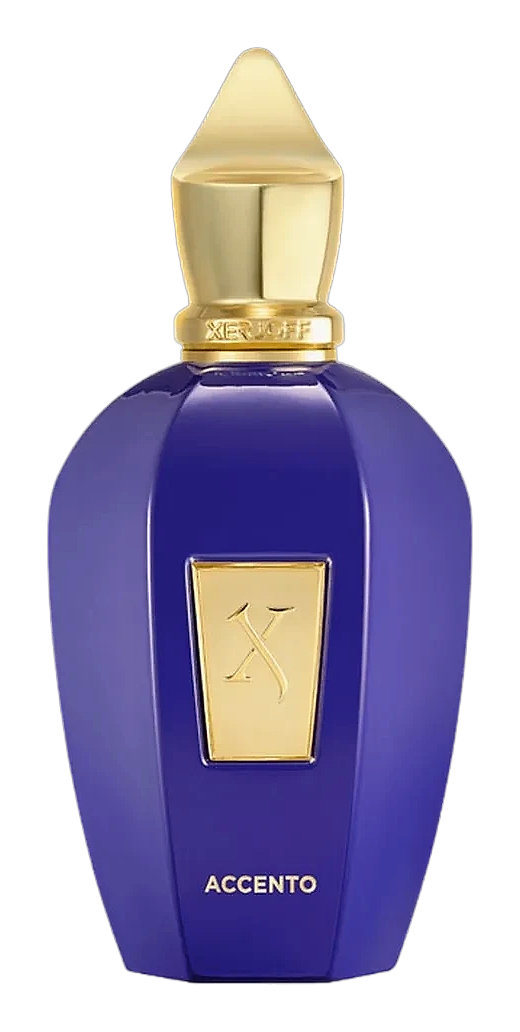
Xerjoff was founded in Turin in 2007 by Sergio Momo, a perfumer obsessed with the materiality of fragrance. Every bottle in the XJ collection functions as a piece of design art as much as a vehicle for scent. The 1861 trilogy commemorates the 150th anniversary of Italian unification, and XJ 1861 Renaissance specifically honors the cultural rebirth that followed that historic moment. The composition draws on the same obsessive sourcing that defines all Xerjoff creations, with ingredients selected not merely for their aromatic contribution but for their ability to tell a specific part of this narrative. The citrus oils, the mint absolute, the cedarwood and patchouli are not interchangeable commodities but carefully sourced materials that carry their own geography and craftsmanship.
The note philosophy here reflects a commitment to contrast and evolution rather than static beauty. The citrus opening serves not merely as an introduction but as a thesis statement about Italian craftsmanship, using petitgrain specifically to add that slightly bitter, artisanal quality that distinguishes hand-produced fragrance materials from synthetic approximations. The mint-lily of the valley pairing in the heart creates a cool, almost medicinal cleanliness that prevents the composition from becoming simply pleasant. This is not a fragrance designed to be ignorantly enjoyed but one that rewards attention, revealing new aspects as the hours pass.
The evolution
The fragrance opens with the brightness of a Tuscan morning, lemon and mandarin orange cutting through air that still carries the coolness of dawn. Bergamot and petitgrain deepen this citrus experience beyond simple brightness, adding complexity that suggests the layered histories of Renaissance Italy. As the top notes lift, mint takes center stage, its coolness evoking the intellectual clarity of the period's great thinkers. The lily of the valley appears like a garden glimpsed through an open window, its white florals offering a moment of pastoral peace within the urban sophistication. Rose arrives quietly, not the heavy romantic rose of modern perfumery but something more restrained, more in keeping with the Renaissance preference for allegory over excess. The drydown brings cedarwood and patchouli, wood notes that speak to the architecture and maritime ambition of the era, grounded finally by musk and amber into a warmth that feels like candlelight in an old library.
Cultural impact
XJ 1861 Renaissance has earned a loyal following precisely because it does what most citrus fragrances fail to do: it lasts. Respected by enthusiasts for its resistance to heat and its refusal to drift into synthetic-smelling territory, it appears on 'best for spring' lists year after year, not because of aggressive marketing, but because people who try it come back to it.