The Story
Why it exists.
The beginning
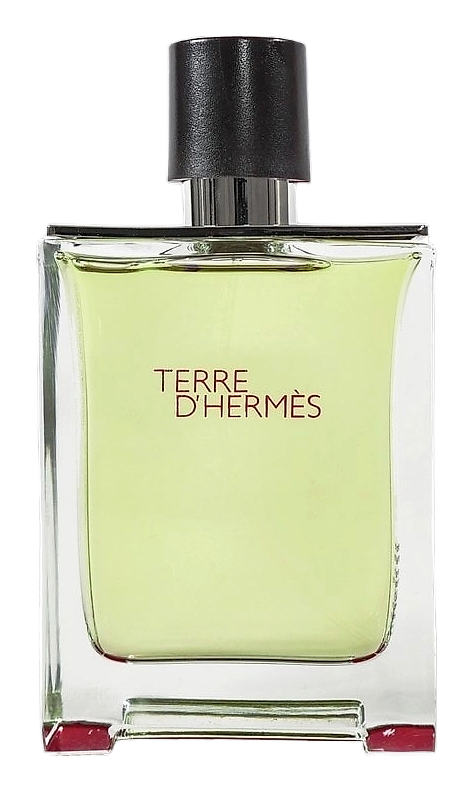
Jean-Claude Ellena set out to capture the land in scent. 'Terre', earth, became his subject for this Hermès fragrance. Vetiver and cedar form part of the composition, anchoring the scent with their woody, grounded character. The fragrance opens with a mineral dryness, evoking stone dust and dry air, before settling into earthiness that stays close to the skin. The interplay between sharp citrus and deep earth creates something that doesn't announce itself but lingers quietly, drawing you in rather than demanding attention. The notes work together to suggest the raw quality of the earth itself, grounded and elemental without being heavy or overpowering.
The flintstone mineral note brings a distinctive quality to this woody fragrance. Stone dust, dry air, the smell of a cliff face after rain: these elements give the opening a sharpness that citrus alone cannot provide, and they keep the drydown honest and true. The orange and grapefruit do not sweeten the composition, they lift it, letting the earthiness breathe instead of overwhelm. As the scent develops, the mineral quality remains present, grounding the brighter top notes and preventing the composition from becoming sweet or heavy.
The evolution
The opening hits mineral-dry before the composition evolves. Grapefruit and orange arrive sharp, then recede before you can pin them down. Cedar moves in next, warm and grounded, a counterpoint to the mineral that opened. Vetiver takes over as the fragrance develops, and this is where the earthiness comes forward. The earthiness isn't muddy or animalic, it's clean, like turned soil after rain. Patchouli and benzoin arrive late, softening the final act into something that stays close to skin for hours. Each phase of the fragrance builds naturally from the one before, with mineral giving way to wood and wood yielding to earth in a seamless progression.
Cultural impact
Terre d'Hermès arrived in 2006 with a distinctive balance of mineral and earth that set it apart. Not through boldness, through restraint. It speaks to those who know they do not need to announce themselves. The mineral-earth combination it presents offers a different approach to masculine scent, one built on quiet strength and grounded character rather than projection and noise.