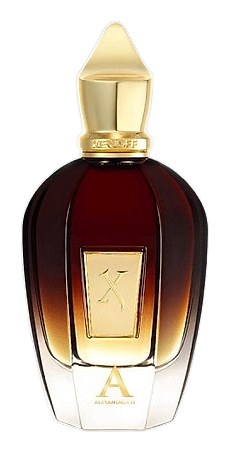

The Story
Why it exists.
The beginning
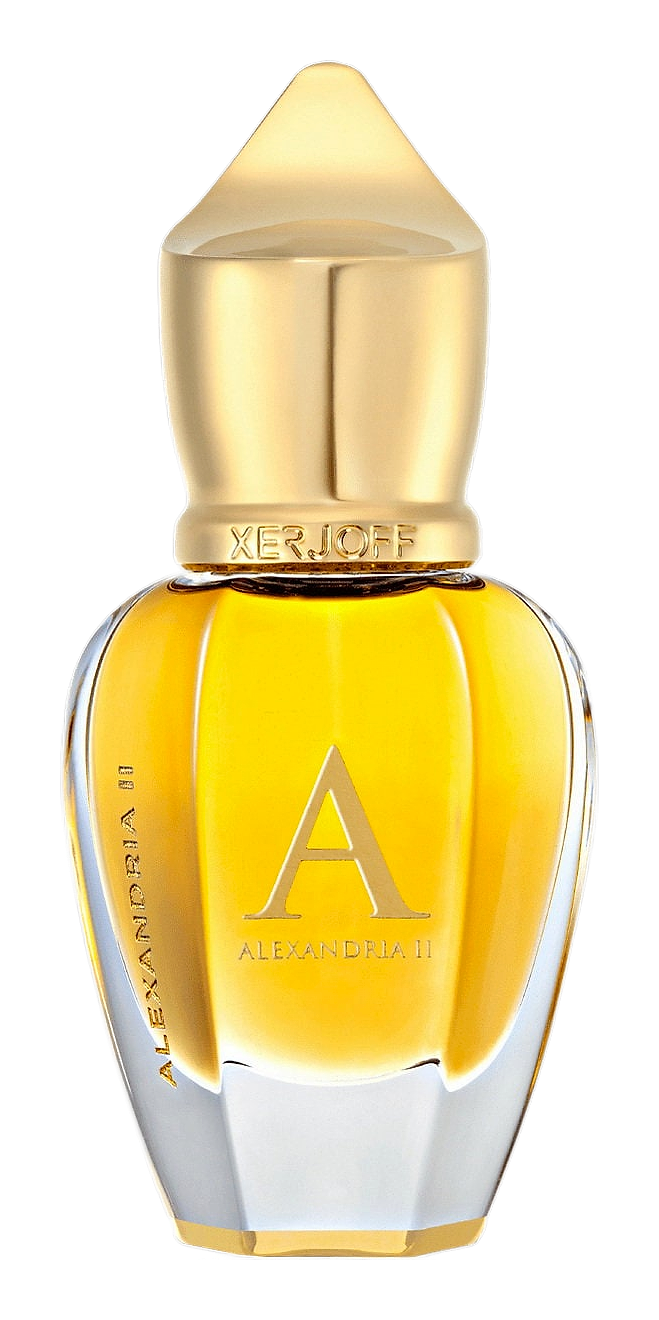
Alexandria II was designed as a conversation between two ideas of luxury. The original Alexandria used a 25-year aged oud, rare, almost mythological. For the sequel, perfumer Chris Maurice reached for a 5-year aged Laotian oud instead, not as a compromise but as a deliberate choice. Younger oud carries more edge, more rawness. The question became: how do you build something opulent around a material that wants to fight?
The structure answers that question. Lavender and apple open not as decoration but as counterweight, the freshness creates friction against the oud's density. Bulgarian rose and lily of the valley arrive next, softening the transition. By the time the base settles, you've been walked through the full range: bright, floral, woody, resinous. The oud doesn't announce itself. It arrives once everything else has made room.
The evolution
The opening hits lavender and rosewood first, clean, almost soapy. Apple and cinnamon underneath, warming it. For 20 to 30 minutes, the composition feels restrained, almost polite. Then the Laotian oud begins to surface, creeping up through the Bulgarian rose like something surfacing from depth. The rose doesn't disappear, it deepens, taking on a darker, more resinous character as the cedar and lily of the valley frame the base. By the second hour, the oud has full presence: smoky, animalic, uncompromising. Sandalwood, amber, vanilla, and musk build together in a drydown that lasts 8 to 10 hours on most skin. On fabric, it lingers until the next day.
Cultural impact
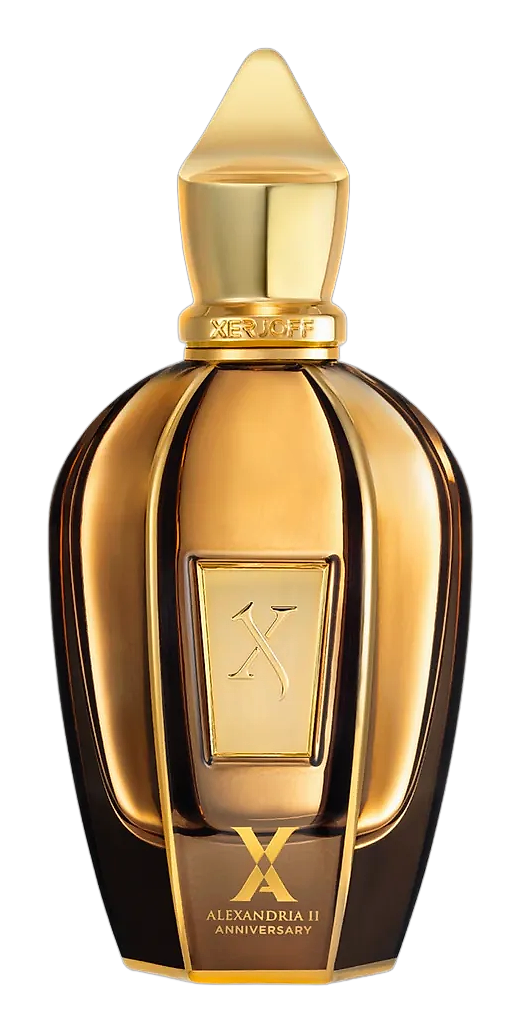
Since its 2012 launch, Alexandria II has become a reference point in niche fragrance, less ubiquitous than some Oud Stars siblings, more polarizing. Wearers describe it as the scent of someone who walks into a room and doesn't need to announce themselves. The oud-forward structure, strong sillage, and authoritative drydown make it a statement piece, not for those seeking subtlety. Among collectors, it's regarded as one of the more demanding compositions in the Xerjoff lineup, which is precisely why those who connect with it tend to connect deeply.