The Story
Why it exists.
The beginning
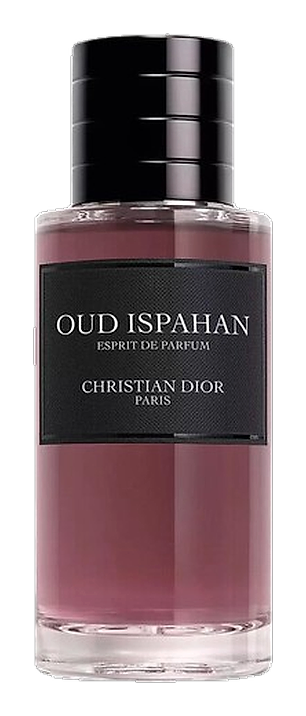
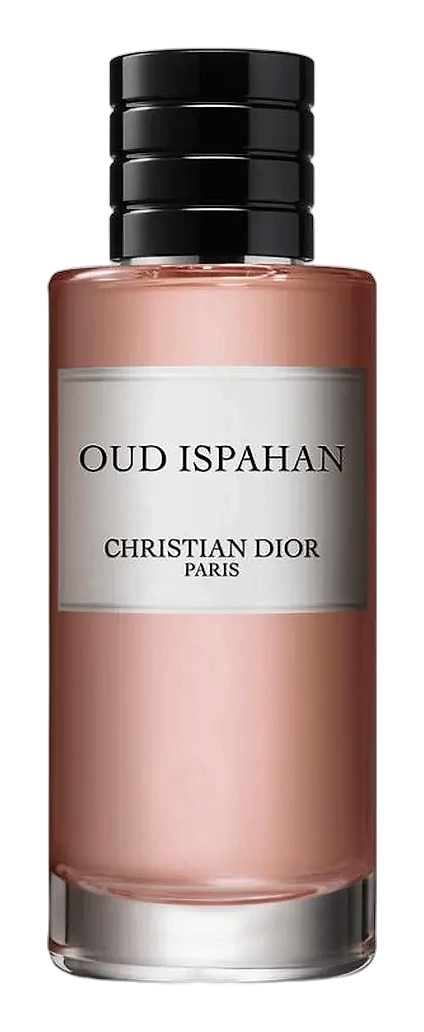
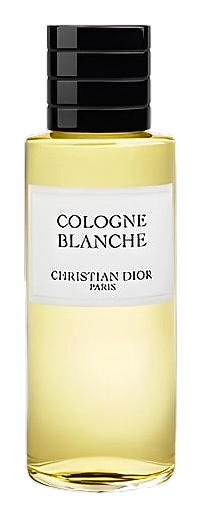
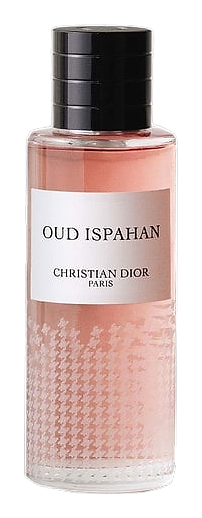
Oud Ispahan belongs to La Collection Privée Christian Dior, the house's private atelier of rare compositions. François Demachy composed it in 2012, building outward from a single city that perfumers have mythologized for centuries. Ispahan, modern Isfahan, sits at the crossroads of Persia's rose-growing valleys and its ancient trade routes. The city produces some of the world's most prized damask roses. Dior's choice of name wasn't casual: it was a statement of intent about where this fragrance lives, geographically and olfactorily.
The pyramid is unusually spare for a private collection piece. Three notes total: labdanum, patchouli, then agarwood, rose, and sandalwood anchoring the base. That restraint is the point. When you remove the usual supporting cast of bergamot, saffron, and amber, every material has to justify its presence. The oud-rose-sandalwood triad becomes the entire conversation, and when it works, it reads as almost inevitable rather than constructed. The sandalwood particularly shifts the result away from oud's darker animalic register toward something creamier and more polished, which is a deliberate Dior move toward wearability within a challenging category.
The evolution
Labdanum announces first. Dark, sticky, resinous, the smell of something ancient and unguarded. For twenty minutes, the composition lives here, all balsamic heat and warm medicinal air. Then patchouli takes over, not the funky patchouli of the 1960s but a clean, earthy one that grounds the whole thing without dragging it down. The rose doesn't storm in. It arrives quietly, woven into the heart alongside the patchouli, sweet and slightly damp. The base is where Oud Ispahan earns its name. Agarwood dominates, precious, dense, woody without being smoky, while rose and sandalwood soften the edges. Myrrh adds a resinous warmth that rounds the drydown into something close, intimate, almost personal. On fabric, this lingers overnight. On skin, eight to ten hours is the baseline, with sillage that announces itself in the first hour then settles into a quiet, persistent aura.
Cultural impact
The 2012 launch of Oud Ispahan arrived during the height of the Western oud obsession, when Middle Eastern fragrance houses had already popularized agarwood as a status symbol. Dior's move with La Collection Privée was strategic: placing oud within a Parisian luxury framework legitimized it for a new audience of collectors who wanted craftsmanship over novelty. The deliberate minimalism of the note pyramid, labdanum, patchouli, rose, agarwood, sandalwood, myrrh, reflected a shift away from the maximalist oud blends flooding the market. François Demachy understood that oud could be elegant rather than just assertive.