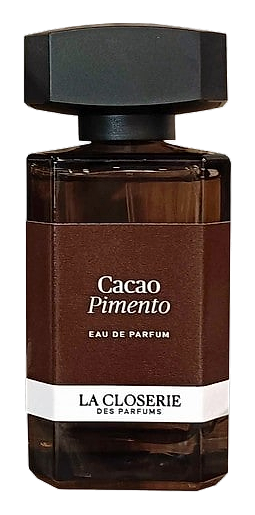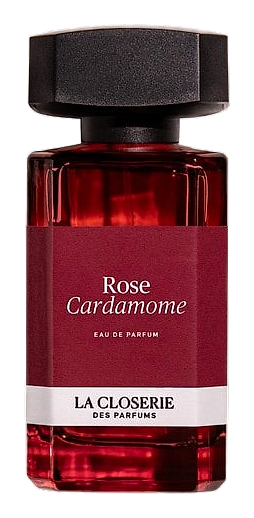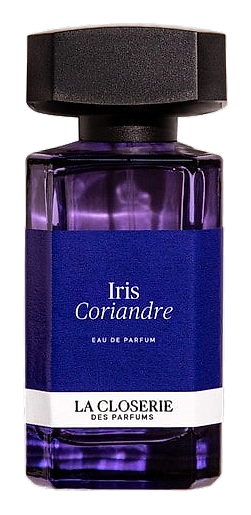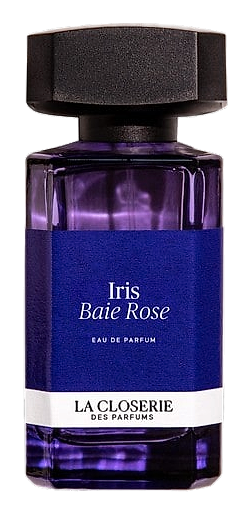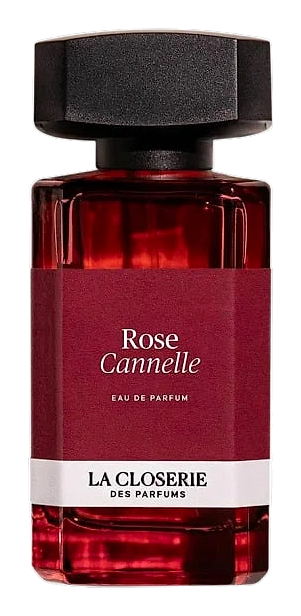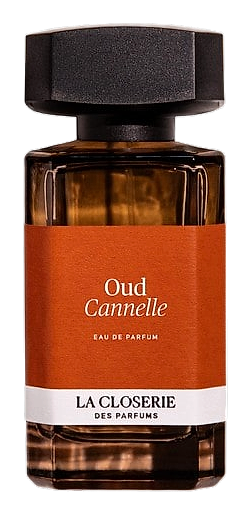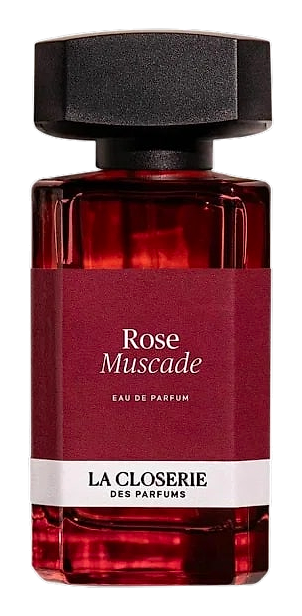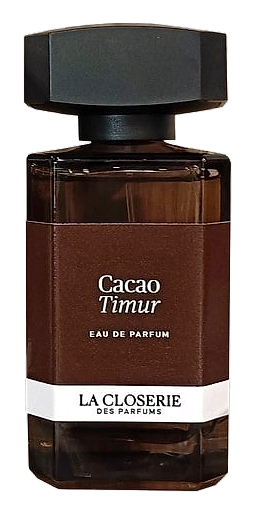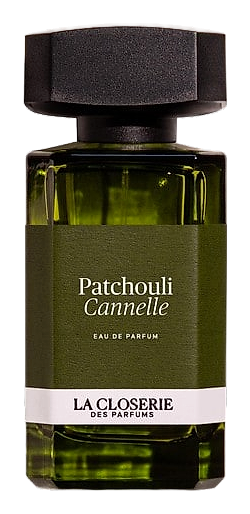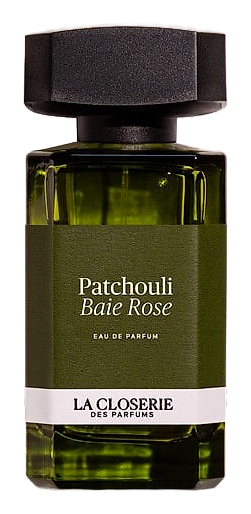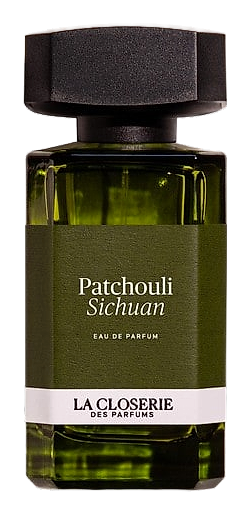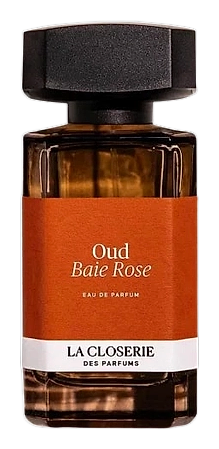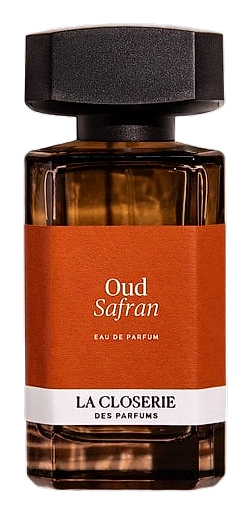

The Story
Why it exists.
The beginning
Emilie Bouge constructed Oud Safran around a deliberate tension between two powerful perfumery materials, oud and saffron, brought together with neither seeking to dominate the composition. The fragrance leans into Greek saffron, which the house describes as possessing woody, subtly leathery inflections that allow it to halo the precious oud rather than overwhelm it. The result is racy and lively, the brand says, with a thousand smoky facets that the rose is meant to sublimate rather than soften. It's a fragrance that asks you to trust the first minute, inviting you into its complex world before revealing all its secrets.
What makes the pyramid interesting is how the heart resists the expected. Labdanum and cedar don't behave like typical woody supporting actors, the cedar provides structure, but the labdanum brings a sticky, almost resinous balsamic quality that reframes the metallic saffron above it. Downstairs, Cypriol (nagarmotha) adds an earthy, almost papyrus-like depth that grounds the musk and keeps the sandalwood from going creamy. The composition isn't about note-stacking, it's about notes that argue productively.
The evolution
The opening announces itself with conviction. Saffron's metallic, slightly leathery character arrives first, sharp enough to register, then softening as the rose blooms underneath. Not sweet rose. Austere rose, the kind that smells like petals more than perfume. The heart hands off to cedar and labdanum within twenty minutes, the metallic quality fading as the woody-balsamic core settles in. The base is where things linger. Cypriol and patchouli build quietly, then the sandalwood arrives and blends everything into something warm and close. The house describes it as a fragrance that starts racy and stays that way, just differently, each phase offering a new facet of its character.
Cultural impact
Oud Safran arrived as part of La Closerie des Parfums' collection under perfumer Emilie Bouge. The fragrance brings together bold materials through a distinctive lens, offering an alternative to heavier Oriental oud compositions. Its approach combines sophisticated botanical themes with refined craftsmanship. The metallic-saffron and austere rose combination creates a complex composition that rewards attention rather than immediate appeal, positioning the scent as something for those who appreciate nuanced perfumery.
The House
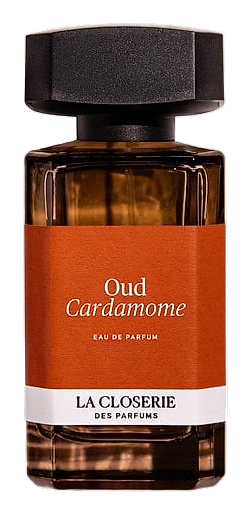
La Closerie des ParfumsLa Closerie des Parfums is a French niche perfume house that draws its identity from the quiet elegance of Parisian walled gardens. Founded in 1972 by brothers Antoine and Hervé Madrid, the house began by supplying fragrances to the American market. After three decades, their daughter Valérie Madrid revived the label in 2019 with a collection that emphasizes noble ingredients and a garden‑inspired narrative. The brand releases a modest number of scents each year, each built around a single botanical or spice theme, such as Oud Cardamome (2019) or Patchouli Sichuan (2022). Its bottles are understated, allowing the scent story to take centre stage.
The Creator
Emilie BougeEmilie favors natural absolutes and high‑quality synthetics that mimic nature’s depth. She layers citrus top notes with aromatic herbs, then grounds them in cedar, sandalwood or guaiac.