    Brand Profile

    La Closerie des Parfums is a French niche perfume house that draws its identity from the quiet elegance of Parisian walled gardens. Founded…More

    France·Est. 1972·Site

    4.0

    Rating

    Just Landed

    New Arrivals

    The latest additions to the La Closerie des Parfums collection.

    14
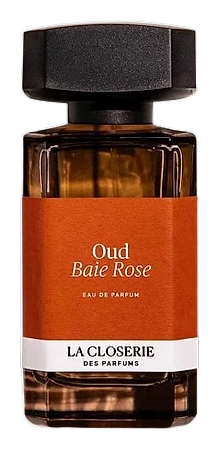
    Oud Baie Rose by La Closerie des Parfums
    4.0

    Oud Baie Rose

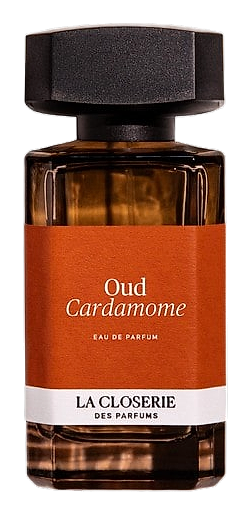
    Oud Cardamome by La Closerie des Parfums
    Best Seller
    4.5

    Oud Cardamome

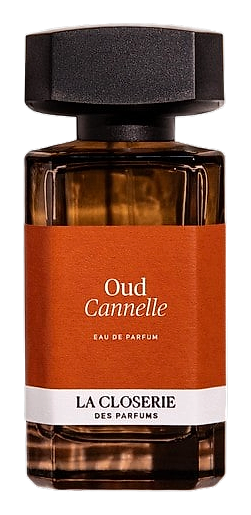
    Oud Cannelle by La Closerie des Parfums
    Best Seller
    4.3

    Oud Cannelle

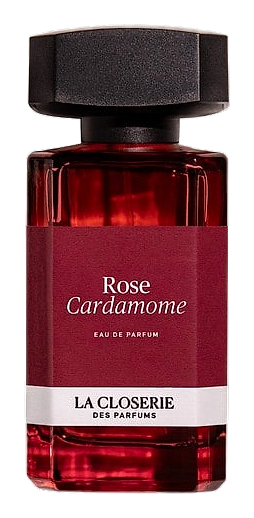
    Rose Cardamome by La Closerie des Parfums
    Best Seller
    4.2

    Rose Cardamome

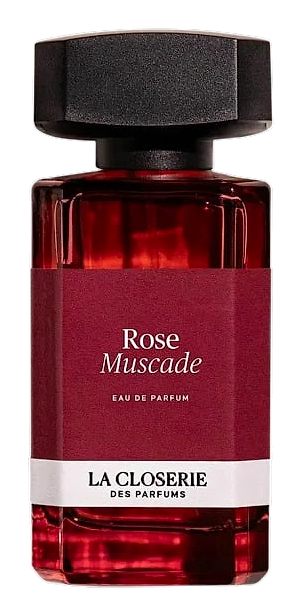
    Rose Muscade by La Closerie des Parfums
    4.2

    Rose Muscade

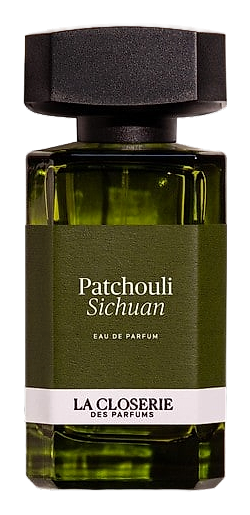
    Patchouli Sichuan by La Closerie des Parfums
    4.1

    Patchouli Sichuan

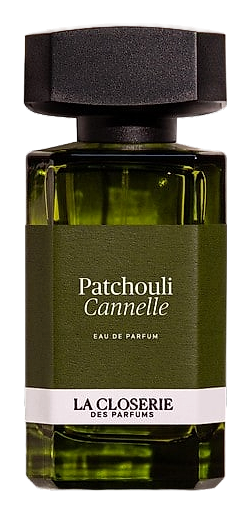
    Patchouli Canelle by La Closerie des Parfums
    4.1

    Patchouli Canelle

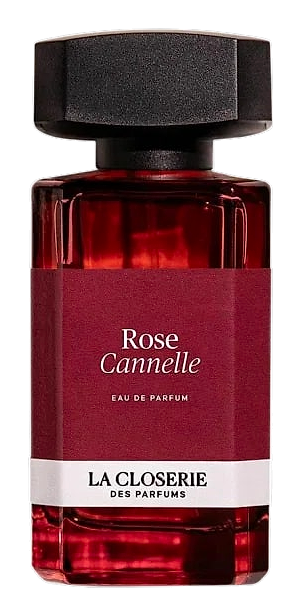
    Rose Cannelle by La Closerie des Parfums
    4.1

    Rose Cannelle

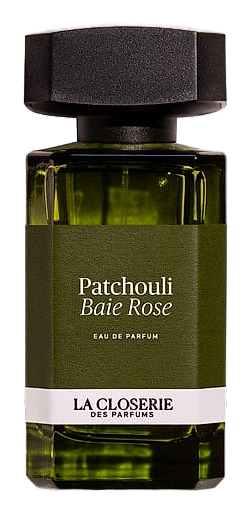
    Patchouli Baie Rose by La Closerie des Parfums
    4.0

    Patchouli Baie Rose

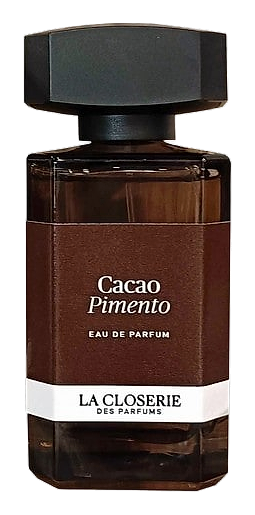
    Cacao Pimento by La Closerie des Parfums
    New
    4.0

    Cacao Pimento

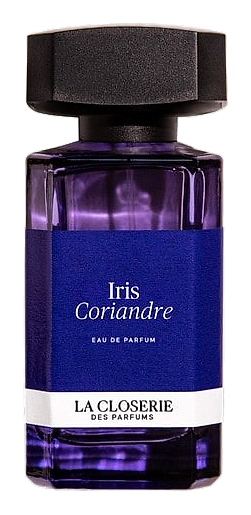
    Iris Coriandre by La Closerie des Parfums
    3.9

    Iris Coriandre

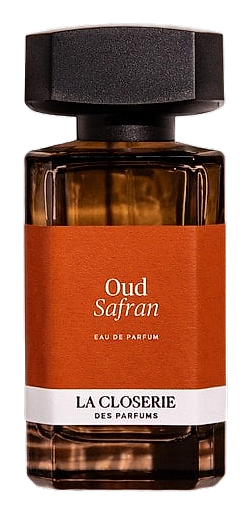
    Oud Safran by La Closerie des Parfums
    3.8

    Oud Safran

    1 of 2

    The Heritage

    The Story of La Closerie des Parfums

    La Closerie des Parfums is a French niche perfume house that draws its identity from the quiet elegance of Parisian walled gardens. Founded in 1972 by brothers Antoine and Hervé Madrid, the house began by supplying fragrances to the American market. After three decades, their daughter Valérie Madrid revived the label in 2019 with a collection that emphasizes noble ingredients and a garden‑inspired narrative. The brand releases a modest number of scents each year, each built around a single botanical or spice theme, such as Oud Cardamome (2019) or Patchouli Sichuan (2022). Its bottles are understated, allowing the scent story to take centre stage.

    Heritage

    The story of La Closerie des Parfums begins in 1972 when Antoine and Hervé Madrid opened their first fragrance studio in France. Their early work focused on supplying aromatic extracts to perfume houses in the United States, a partnership that helped the brothers establish a reputation for reliability and creative flair. Throughout the 1970s and 1980s the Madrid family refined their blending techniques, gradually building a small but dedicated client base across Europe. In the early 2000s Valérie Madrid, daughter of Hervé, joined the family business and began to explore the possibility of creating a brand that reflected her personal love of horticulture and Parisian gardens. In 2019 she launched a new line under the historic name, positioning the house as a creator of garden‑inspired niche fragrances. The 2019 launch introduced a suite of scents that paired oud, rose, and spice with ingredients such as cardamom and cinnamon, signaling a shift toward a more narrative‑driven approach. Since then the house has added yearly releases, including Patchouli Canelle (2021), Patchouli Sichuan (2022) and the 2025 debut Cacao Pimento, each maintaining the garden motif while expanding the olfactory palette. The brand remains family‑run, with Valérie overseeing creative direction and maintaining close ties to the original workshop in Grasse, where the master perfumers who collaborate on each scent continue to work.

    Craftsmanship

    Production at La Closerie des Parfums follows a blend of traditional French perfumery methods and careful modern quality controls. Raw materials arrive from vetted farms in Morocco, India, and South America, where growers are selected for their adherence to organic or low‑impact practices. Once in Grasse, the ingredients are handed to a master perfumer who works alongside Valérie Madrid to balance the composition. The house favors natural extracts, cold‑pressed absolutes, and distillates that retain the original character of the plant. After the formula is finalized, the perfume is mixed in small batches to preserve nuance. Each batch undergoes a stability test that monitors scent evolution over six months, ensuring that the final product remains true to the creator’s intent. Bottles are hand‑filled in a climate‑controlled environment, then sealed with a wax‑coated cork that adds a tactile element reminiscent of garden gates. Quality inspectors verify that each vial meets the house’s strict aromatic and visual standards before the perfume leaves the workshop. This meticulous process, combined with the partnership with Grasse’s master perfumers, allows the brand to maintain a consistent level of expressiveness across its limited releases.

    Design Language

    The visual language of La Closerie des Parfums mirrors its garden inspiration. Labels feature delicate line drawings of vines, roses, or spice branches, rendered in a soft, muted palette of sage, ivory, and muted gold. Bottles are typically clear or amber glass with a slender silhouette, allowing the colour of the liquid to become part of the composition. The caps are simple metal or wooden finishes, echoing the natural materials found in a garden setting. Typography is clean and serif, evoking classic French signage while remaining legible on small surfaces. Marketing imagery often places the bottle among actual garden elements—stone walls, wrought‑iron trellises, or wooden tables—reinforcing the narrative of a private, cultivated space. The overall aesthetic avoids flashiness; instead it relies on understated elegance that lets the scent narrative speak for itself.

    Philosophy

    La Closerie des Parfums frames each fragrance as a walk through a private garden. The creative vision is rooted in the belief that scent can capture a moment of stillness, a single bloom, or a fleeting spice note. Valérie Madrid describes the house’s values as respect for nature, dedication to quality, and a desire to tell a story without relying on mass‑market trends. Every perfume is conceived in partnership with a master perfumer from Grasse, ensuring that the technical expertise of the region blends with the garden narrative. The brand avoids synthetic shortcuts, preferring ingredients that can be traced to a specific terroir. This approach reflects a broader commitment to sustainability: sourcing raw materials from growers who practice responsible harvesting and supporting small‑scale farms whenever possible. The result is a collection that feels both personal and place‑specific, inviting the wearer to experience a cultivated moment in time.

    Key Milestones

    1972

    Antoine and Hervé Madrid open their first fragrance studio in France, beginning the family’s involvement in perfumery.

    2019

    Valérie Madrid launches a new line under the historic name, introducing garden‑inspired niche fragrances such as Oud Cardamome and Rose Muscade.

    2021

    Release of Patchouli Canelle, expanding the brand’s exploration of spice‑driven compositions.

    2022

    Patchouli Sichuan debuts, highlighting the house’s commitment to sourcing rare botanical ingredients.

    2025

    Cacao Pimento is launched, marking the first fragrance that pairs cacao beans with a peppery accent.

    At a Glance

    Brand profile snapshot

    Origin

    France

    Founded

    1972

    Heritage

    54

    Years active

    Collection

    1

    Fragrances released

    Avg Rating

    4.0

    Community sentiment

    Release Rhythm

    2025
    2
    2022
    2
    2021
    3
    2019
    7
    lacloseriedesparfums.com

    Did You Know?

    Interesting Facts

    Distinctive details and defining moments that shape the house personality.

    01

    The house’s name, ‘La Closerie’, translates to ‘the walled garden’, directly referencing the brand’s core inspiration.

    02

    Valérie Madrid studied horticulture before entering the perfume world, a background that informs the garden narrative of each scent.

    03

    Each fragrance is created in collaboration with a master perfumer based in Grasse, a practice that blends family vision with regional expertise.

    04

    The brand’s 2025 fragrance Cacao Pimento uses cacao beans sourced from a single estate in Ecuador, a rarity in niche perfumery.

    The Artisans

    The Perfumers