Emilie Bouge
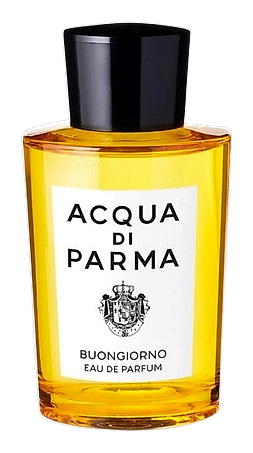
Emilie Bouge grew up in Grasse, the historic perfume capital, where her grandparents tended a modest atelier. From childhood she inhaled the scent of drying roses and leather‑tanned hides, learning the language of raw materials before she could read. She earned a place at ISIPCA in Versailles, completing the three‑year program with top marks. After graduation she joined Takasago, rising to senior perfumer in Paris and guiding the house’s luxury portfolio. Her first public breakthrough arrived with Acqua di Parma’s Buongiorno, a bright citrus‑spice that earned critical praise in 2019. Since then she has supplied Creed, Valentino, Gucci and the candle maker Trudon, adding a signature blend of woody amber to each commission. Emilie continues to balance family tradition with modern laboratory rigor, producing scents that feel both timeless and immediate.
The hits
Notable creations



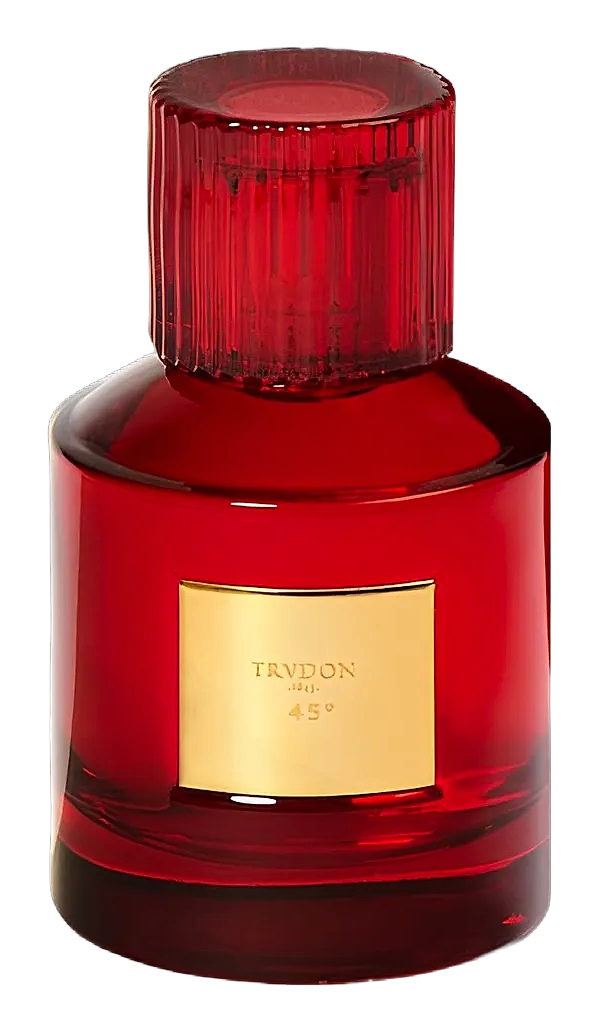
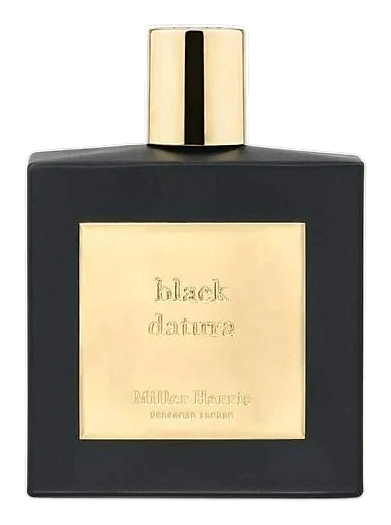
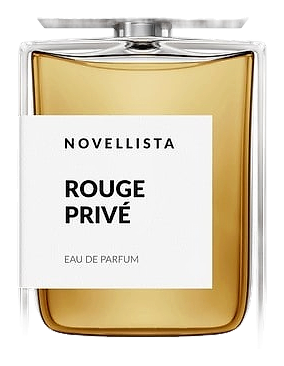
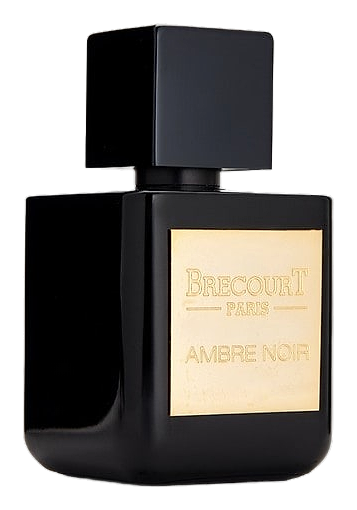

The signature
How Emilie composes
Emilie favors natural absolutes and high‑quality synthetics that mimic nature’s depth. She layers citrus top notes with aromatic herbs, then grounds them in cedar, sandalwood or guaiac. Amber, labdanum and a touch of vanilla often form the heart, while a whisper of musk or animalic accord adds longevity. She is known for meticulous trial counts, sometimes reaching tens of thousands before she declares a formula finished. Her compositions reveal a clear architecture: a bright opening, a warm middle, and a lingering base that unfolds slowly on skin. She prefers to work in small batches, allowing her to sense subtle shifts that larger productions hide.
Philosophy
What drives Emilie
Emilie treats each formula as a conversation between memory and material. She begins with a single accord that recalls a personal moment—a sunrise over the Riviera or the smell of fresh hay in a stable—and lets it dictate the structure. She respects the balance between intensity and restraint, insisting that a note must earn its place. The perfumer’s notebook reads like a diary; she records weather, mood and the texture of the raw ingredient before she extracts it. For Emilie, the act of blending is a disciplined meditation, and the final spray must evoke a feeling that lasts longer than the scent itself.
The houses