Russian Adam
Adam grew up amid Moscow’s smoky cafés and bustling markets, where incense and spice lingered in the air. As a teenager he swapped comic books for chemistry sets, experimenting with essential oils in his parents’ kitchen. A chance encounter with a vintage oud distillation kit sparked a lifelong obsession with the resin’s raw power. By his early twenties he began extracting his own oud, traveling to remote villages to barter for rare woods and animalic notes. In 2015 he launched Areej Le Dore, an artisanal label that lets him test formulas on a small, devoted community. Interviews from 2016 reveal a perfumer who treats each batch like a laboratory report, noting how molecular vibrations translate into scent. Though his catalogue remains intimate, Adam’s reputation spreads through word‑of‑mouth and niche forums, where collectors cite his willingness to push boundaries while honoring tradition.
The hits
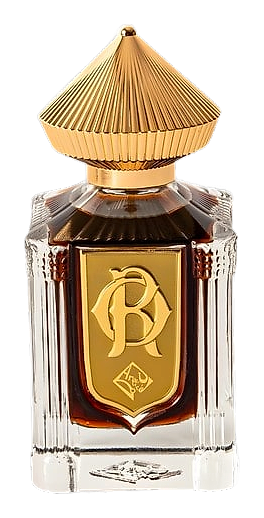
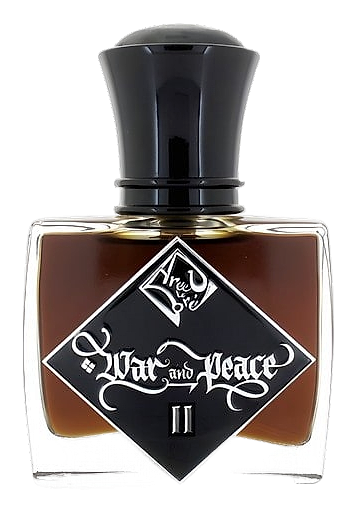
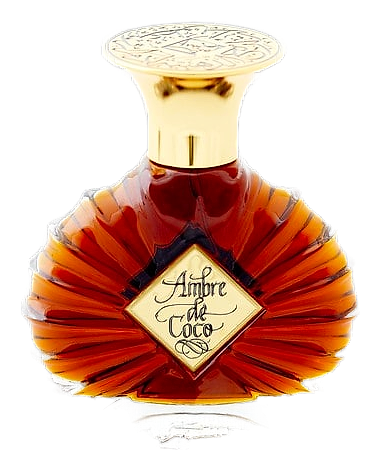
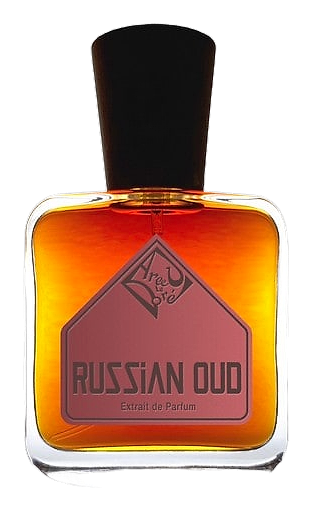
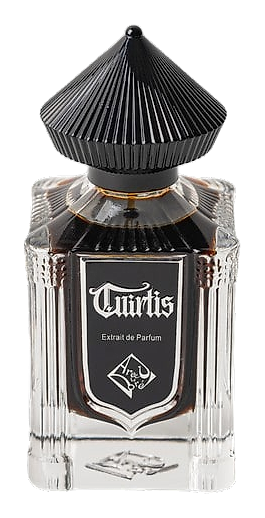
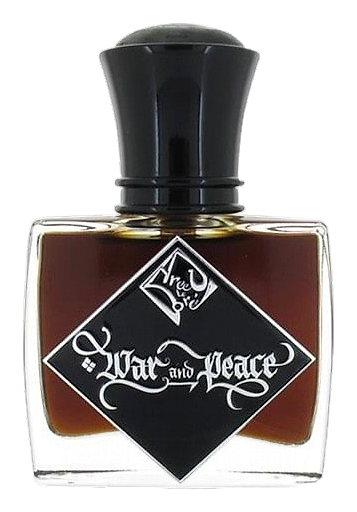
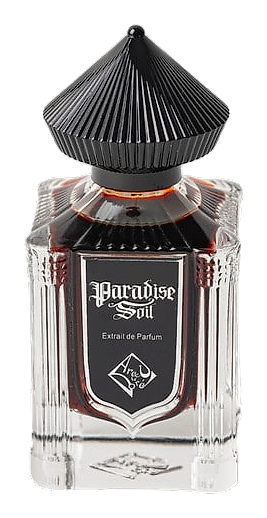
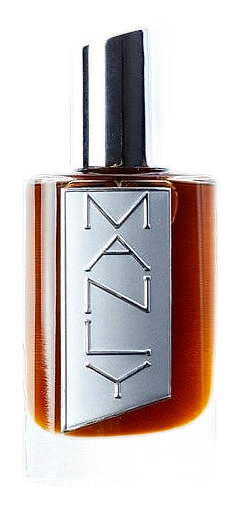
Notable creations

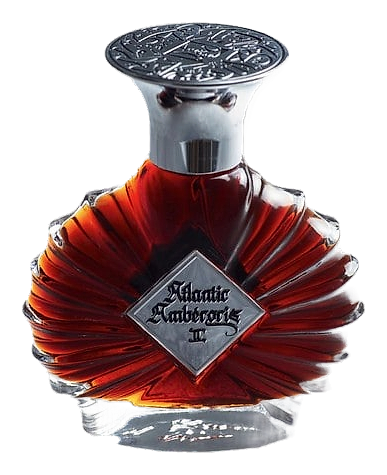
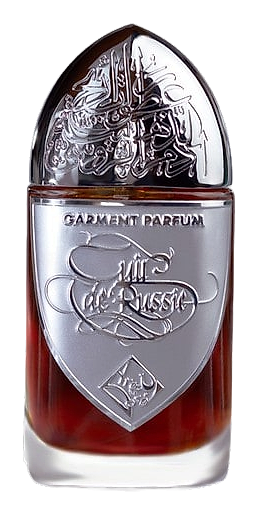
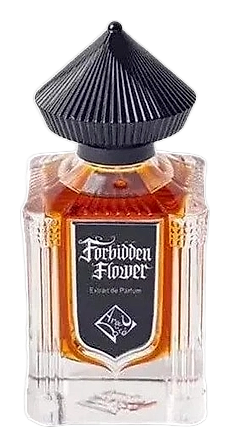
The signature
How Russian composes
Adam favors raw, unrefined materials. He often starts with a base of hand‑distilled oud, then layers spices such as black pepper, saffron, or cardamom to add heat. Animalic notes—civet, ambergris, or musk—appear in modest doses, providing depth without overwhelming the composition. He prefers natural extracts over synthetics, though he will introduce a single aroma‑chemical when it clarifies a theme. His process involves small‑scale maceration, frequent smelling sessions, and meticulous note‑taking. The result is a fragrance that feels tactile, as if the wearer could feel the grain of wood or the sting of pepper on the skin.
Philosophy
What drives Russian
Adam believes scent should confront the wearer, not soothe from a distance. He treats each ingredient as a conversation partner, listening for the moment when oud’s bitterness meets the bright edge of citrus or the animalic whisper of civet. He credits his Moscow upbringing for teaching him that contrast fuels character. Rather than follow trends, he asks what a material wants to become when blended with others. This curiosity drives him to hunt for obscure absolutes, then distill them into compositions that feel both familiar and startling. He sees perfume as a dialogue between nature’s rawness and the hand that shapes it.
The houses
Maisons Russian composes for
In the same league