The Story
Why it exists.
The beginning
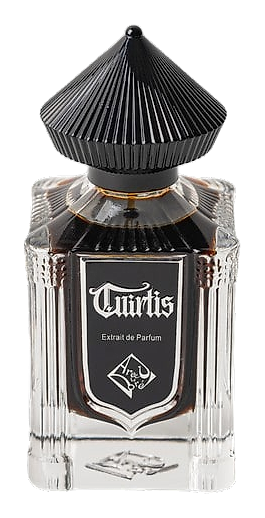
Cuirtis is a fragrance built around castoreum as the structural center, not a footnote. The composition opens animalic, shifts into smoky leather, and ends somewhere that smells like a place, not a product. Osmanthus and juniper open the top, providing brightness and dark-fruited nuance against the castoreum's density. Birch tar arrives early and dominates the heart, transforming the trajectory from animalic to leathery before the drydown settles into Russian leather and aged Manipur oud. Violet leaf absolute threads through the base, adding a green lift that keeps the woods from becoming flat. The castoreum serves as more than an accent, it anchors the entire structure, giving the fragrance a persistent warmth that other materials orbit around.
What makes Cuirtis unusual is the castoreum strategy, three distinct sources layered into the pyramid, each contributing a different facet of the animalic signature. The result is that the castoreum doesn't arrive and disappear, it evolves across the wear, shifting register as the fragrance progresses. At the opening, the animalic character asserts itself with a distinctive presence that feels natural rather than synthetic, the kind of warmth that comes from actual material rather than laboratory approximation.
The evolution
The opening arrives fast. Castoreum's animalic signature hits immediately, backed by cumin's dry spice and osmanthus's dark-fruited nuance. Juniper berries provide a brief green counterpoint before the composition deepens. The character shifts from animalic to smoky-leathery, tar oil, leather, and the slightly medicinal quality of birch smoke. Geranium and rose try to surface but the tar keeps them subdued, present but not dominant. This is the fragrance's dominant phase, the part that defines it. The drydown brings Russian leather as the primary accord, backed by Manipur oud that reveals its depth slowly, like a wood that was aged for exactly this purpose. Violet leaf absolute emerges as a green, slightly dewy note that lifts the darkness. Oakmoss settles into the skin, providing the mossy, earthy base that makes this smell like a place rather than a product.
Cultural impact
Cuirtis sits in a specific tradition, vintage leather, animalic materials, the kind of composition that recalls what fragrance houses made when working with natural materials was standard practice. The castoreum-heavy structure and the use of vintage materials like Manipur oud from 2005 and tar oil from the 1920s place it in a category defined by material authenticity and historical reference. For collectors interested in traditional leather compositions and the use of aged natural materials, this represents a contemporary execution of classical techniques.