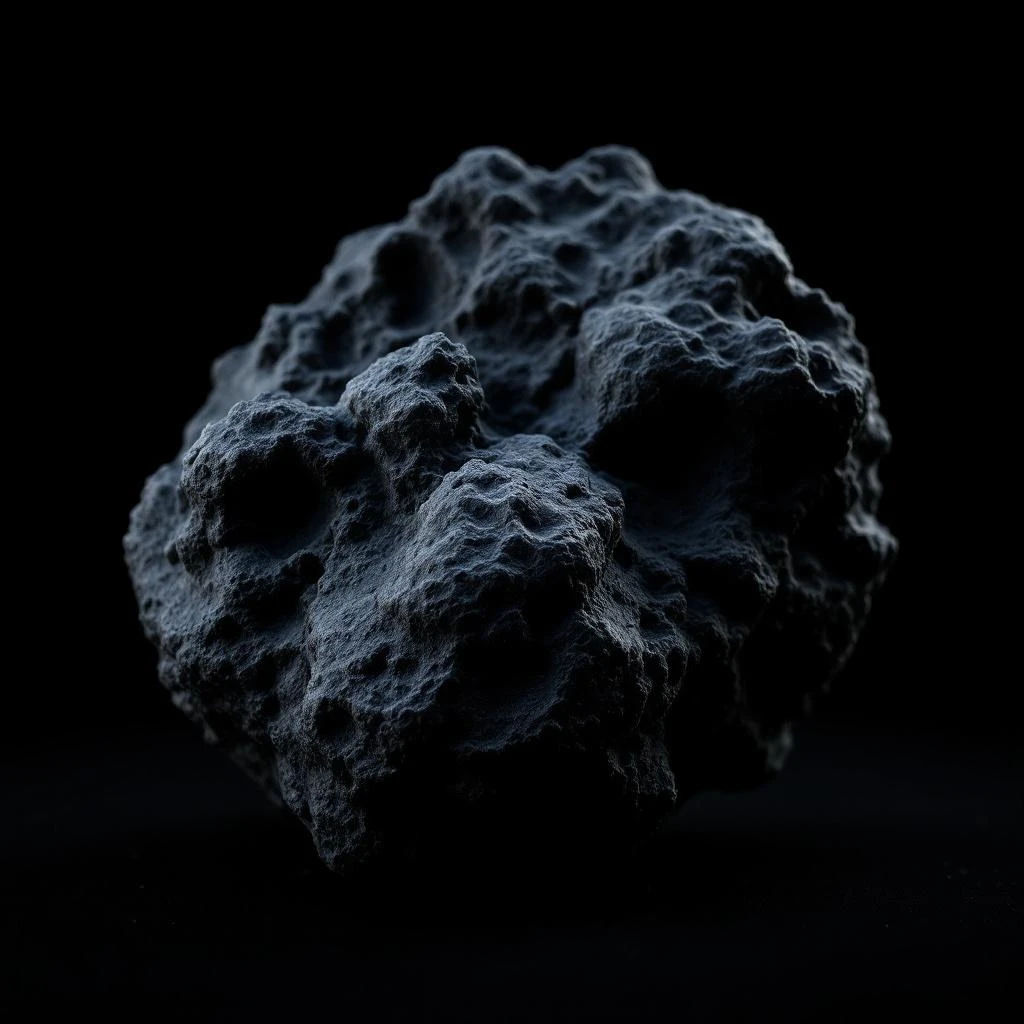
American Castoreum
Derived from the castor sacs of the North American beaver, this storied ingredient delivers a warm, leather-like depth with smoky, tarry undertones once prized by Victorian perfumers.
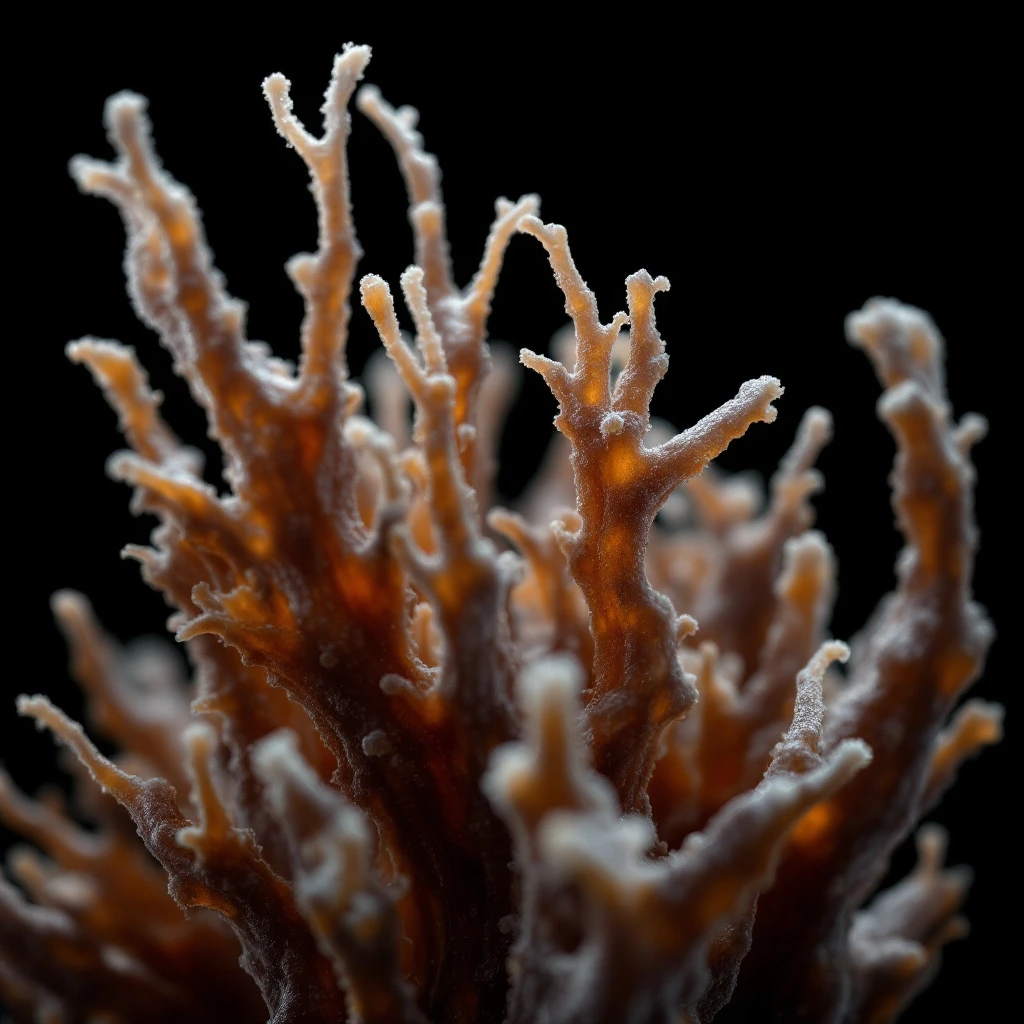
Character
How it smells
Warm, animalic, leather-like depth.
Victorian perfumers used castoreum as a fixative to make fragrances last longer on the skin.





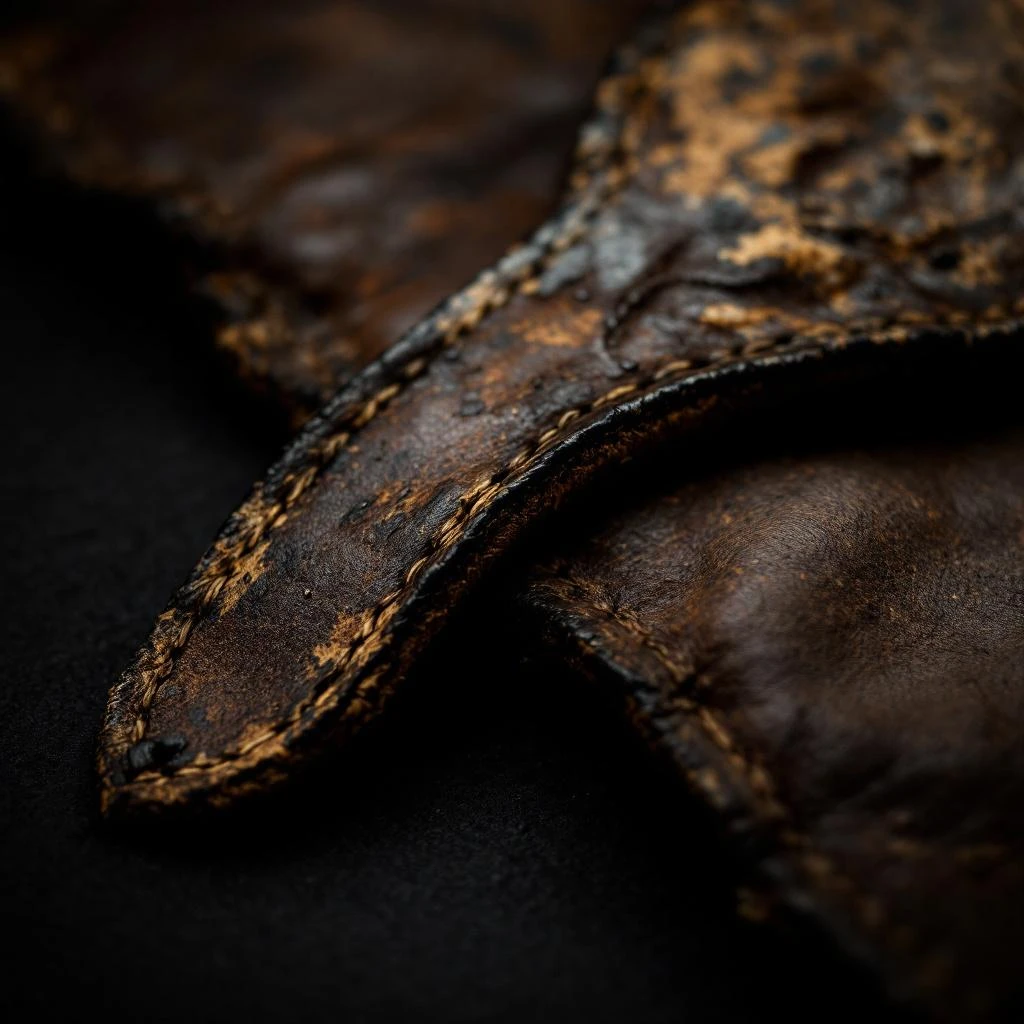


Origin
United States
Castoreum ranks among perfumery's oldest animalic ingredients, with documented use stretching back to ancient Greek times. Physicians of that era, including Hippocrates, referenced castoreum in medicinal preparations. The ingredient gained particular prominence during the 18th and 19th centuries when Victorian perfumers discovered its remarkable fixative properties.
Castoreum extended fragrance longevity while adding layers of warmth, depth, and animalic richness. Classic leather fragrances like Knize Ten, Chanel Antaeus, and Caron Yatagan built signatures around castoreum's distinctive character. By the early 20th century, ethical and environmental concerns prompted the fragrance industry to develop synthetic alternatives that replicate castoreum's olfactory profile without animal harvest.
Today, synthetic castoreum appears in countless modern compositions, preserving the ingredient's legacy in contemporary perfumery.
Wears it best
Fragrances featuring American Castoreum
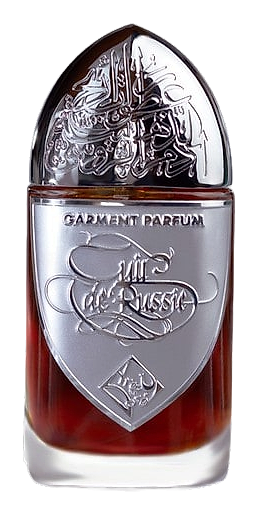
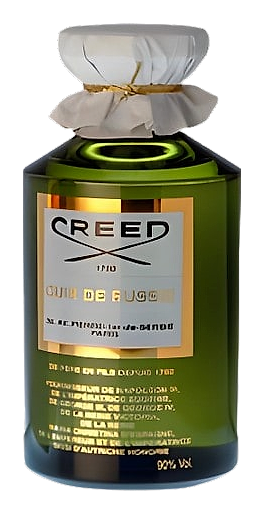
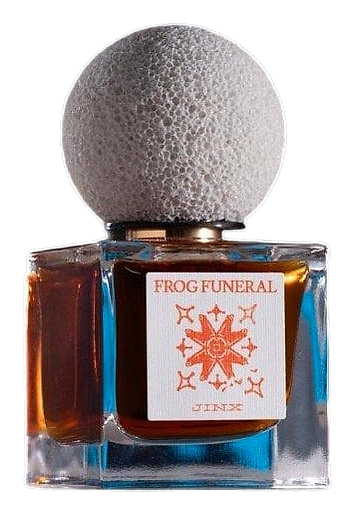
Brands
Brands known for American Castoreum
Good to know
Questions, answered
The essentials on American Castoreum in perfumery: how it smells, where it comes from, and how it behaves on skin.
Is American castoreum still harvested from real beavers?
Rarely. Modern perfumery relies almost exclusively on synthetic alternatives that replicate castoreum's molecular profile. These lab-created versions avoid ethical concerns surrounding animal harvesting while maintaining the warm, leather-like character.
What does castoreum smell like?
The ingredient delivers warm, leathery top notes with underlying smoky, tarry, and slightly vanillic characteristics. Synthetic versions capture this complex warmth effectively for use in leather and oriental fragrance constructions.
How long has castoreum been used in perfumery?
Documentation traces castoreum use back to ancient Greek physicians and perfumers, spanning more than 2,000 years of aromatic history. Victorian-era perfumers particularly championed it as a fixative agent.
Why do perfumers use synthetic castoreum today?
Since the early 20th century, synthetic alternatives have dominated due to ethical sourcing concerns and regulatory requirements. These lab-produced versions offer consistency and sustainability without sacrificing the characteristic warm, animalic depth.
Which classic fragrances feature castoreum?
Castoreum contributed to signature notes in Knize Ten, Chanel Antaeus, and Caron Yatagan, all classic leather fragrances. These compositions showcase how the ingredient anchors and enriches leather-typed scent profiles.
Does castoreum appear in food products?
Yes. The Flavor and Extract Manufacturers Association has approved castoreum as a food ingredient. The ingredient has served as a flavoring agent for at least 80 years, appearing in raspberry and vanilla-flavored products.
What gives castoreum its distinctive aroma?
The castor sacs produce a complex mixture of phenolic compounds, acids, and bases that create the warm, leathery, slightly smoky character. The specific molecular composition varies between North American and European beaver populations.
Where do North American beavers live?
Castor canadensis inhabits wetlands, rivers, and lakes across most of North America, from Canada's boreal forests to northern Mexico. Their range spans coast to coast, making American castoreum a distinctly North American aromatic material.